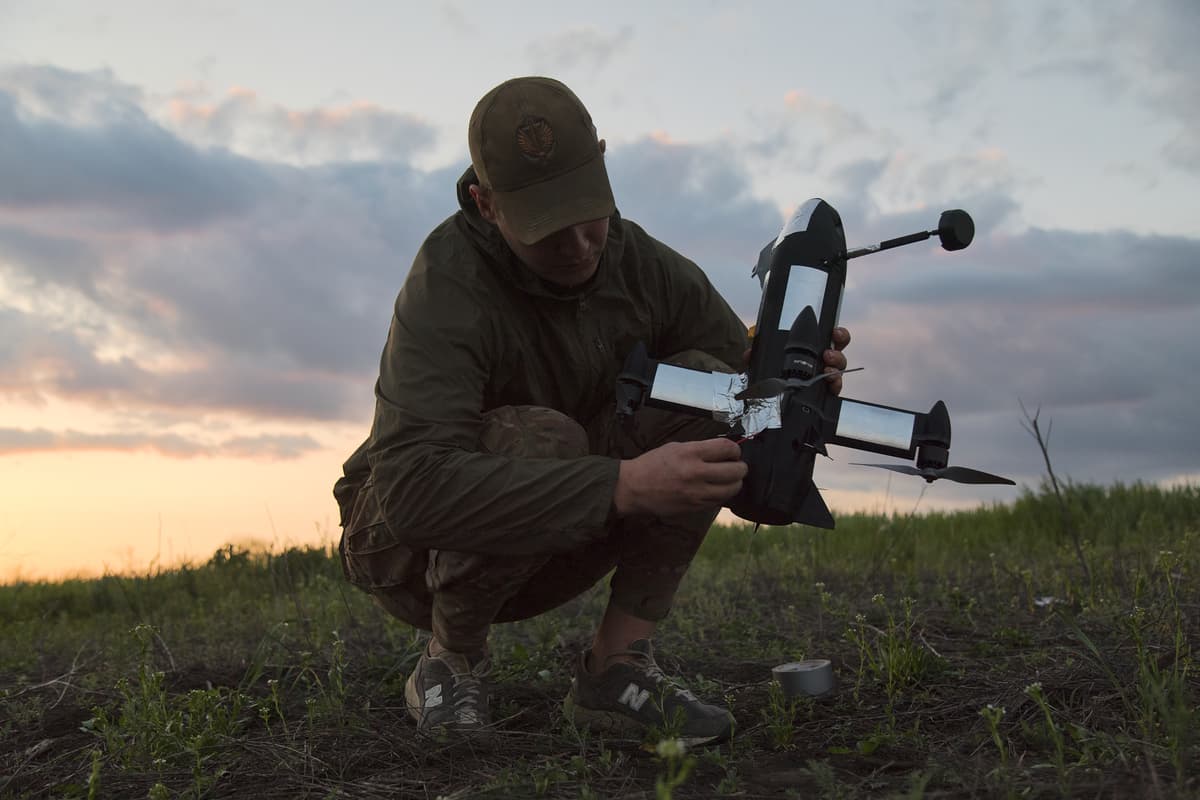
Blacklists, Corruption and Frontline Needs: Ukraine Tackles an Arms-Export Puzzle
Companies Mentioned
Why It Matters
The framework unlocks a new revenue stream for Ukraine’s rapidly expanding defense sector while giving the U.S. and its allies faster access to battle‑tested drones. It also reduces corruption risk and streamlines procurement across Europe, bolstering NATO’s eastern flank.
Key Takeaways
- •Ukraine's draft memo lets it sell drones to U.S. via joint ventures
- •New “Drone Deals” framework creates five export categories and fast‑track permits
- •Defense City regime grants tax breaks and 15‑day export approvals
- •EU‑Ukraine CORPUS coalition cuts middlemen share to 12% in procurement
- •Over 100 U.S. investors eye Ukrainian defense tech; Pentagon bought 1,000 drones
Pulse Analysis
Ukraine’s defense industry has transformed from a modest $1 billion operation at the start of the invasion to a $35 billion powerhouse, driven by battlefield necessity and massive foreign aid. Yet a 2022 self‑imposed export ban left manufacturers unable to monetize surplus capacity, forcing them to rely on state‑run channels that were slow and opaque. The new memorandum with the U.S. State Department breaks that deadlock, allowing Ukrainian firms to partner with American companies in joint ventures, effectively channeling proven drone designs into the U.S. market while preserving Kyiv’s priority for its own forces.
The “Drone Deals” framework formalizes five export categories—drones, missiles, ammunition, software and integration services—and introduces a streamlined 15‑day “Defense City” permit that offers tax exemptions and simplified customs. A fixed 90‑day review window replaces the previous discretionary licensing regime, aiming to eliminate the corruption opportunities that plagued earlier approvals. By routing exports through independent licensing, state arms‑trade companies, or the fast‑track permit, the system promises predictability for manufacturers like Aero Center Drones, which previously had to turn down large orders due to legal constraints.
Beyond Ukraine’s borders, the initiative dovetails with broader European efforts to integrate Ukrainian production into NATO supply chains. The CORPUS coalition, now linking five eastern‑flank allies, has slashed middle‑man participation in procurement from 81% to 12%, fostering direct collaboration and shared intelligence. With over 100 U.S. investors expressing interest and the Pentagon already purchasing 1,000 Ukrainian drones, the combined export framework and European procurement network position Kyiv as a critical supplier for future conflicts, reinforcing collective defense while fueling its own industrial growth.
Blacklists, corruption and frontline needs: Ukraine tackles an arms-export puzzle
Comments
Want to join the conversation?
Loading comments...