Boeing BDS Q1 Deliveries Rise Year-on-Year, but Below Q4
Why It Matters
The results show Boeing’s commercial jet recovery offsetting a slowdown in fresh defense builds, while upgrade and sustainment contracts become critical revenue drivers for the BDS unit.
Key Takeaways
- •BDS delivered 30 aircraft Q1, up YoY, down QoQ
- •Apache deliveries split: 2 new, 15 remanufactured
- •Commercial deliveries hit 143, led by 114 737s
- •New contracts add $2.8 bn F‑15 upgrade, MH‑139A sustainment
- •Defense growth hinges on upgrades, not fresh builds
Pulse Analysis
Boeing’s first‑quarter results for fiscal 2026 illustrate a divergent trajectory between its commercial and defense segments. The company shipped 143 commercial aircraft, a 10‑percent increase over the same quarter last year, driven primarily by a robust 737 production line that delivered 114 jets. This growth comes as airlines accelerate fleet renewal after pandemic‑induced delays, reinforcing Boeing’s position in the narrow‑body market despite lingering supply‑chain constraints. Meanwhile, the Defense, Space & Security (BDS) unit posted 30 deliveries, a modest year‑over‑year gain but a noticeable dip from the 37 units dispatched in Q4 FY25.
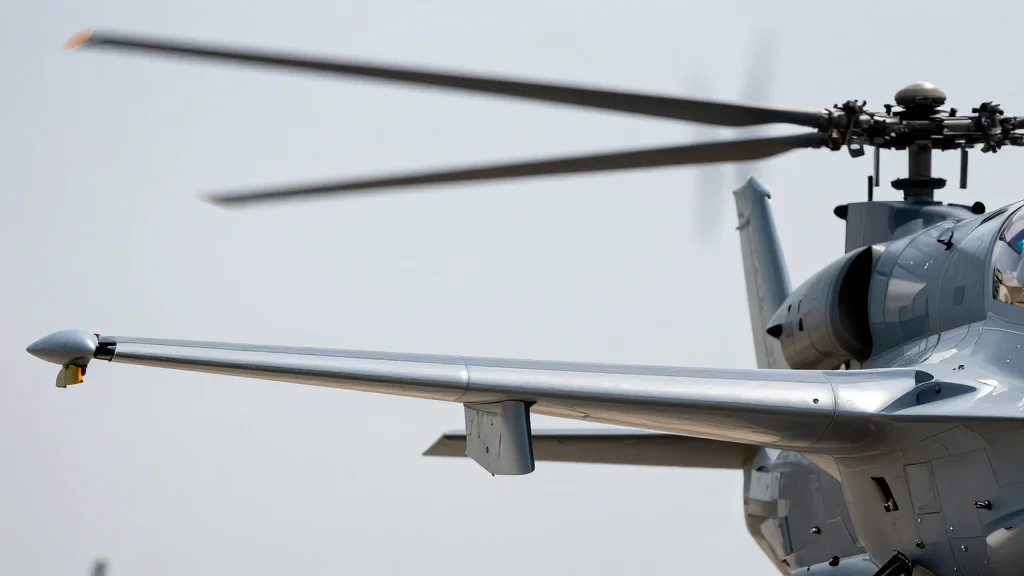
The defense deliveries were heavily weighted toward legacy platforms. Boeing turned over 17 AH‑64 Apache helicopters, but only two were brand‑new airframes; the remaining fifteen were remanufactured, reflecting a strategic emphasis on life‑extension programs that generate steady cash flow with lower development risk. Additional deliveries included two CH‑47 Chinooks, two MH‑139 Grey Wolf helicopters, four KC‑46 tankers, and a handful of fighter and maritime patrol aircraft. Complementing the hardware shipments, the firm secured a $2.8 billion contract to upgrade Republic of Korea’s F‑15 fleet and a follow‑on order for four MH‑139A helicopters, underscoring the importance of sustainment and modernization contracts to the defense pipeline.
Looking ahead, Boeing’s earnings will likely depend on how quickly it can translate its commercial momentum into higher‑margin upgrades and new‑build defense orders. The reliance on remanufactured helicopters suggests a short‑term buffer, but long‑term growth will require fresh procurement, especially as competitors such as Lockheed Martin and Airbus ramp up their own upgrade programs. The C‑17A flight‑deck modernization contract adds a niche but strategic revenue stream, while the F‑15 upgrade positions Boeing for deeper penetration in the Asian defense market. Investors will watch order backlogs and supply‑chain resilience as key indicators of sustained profitability.
Boeing BDS Q1 deliveries rise year-on-year, but below Q4
Comments
Want to join the conversation?
Loading comments...