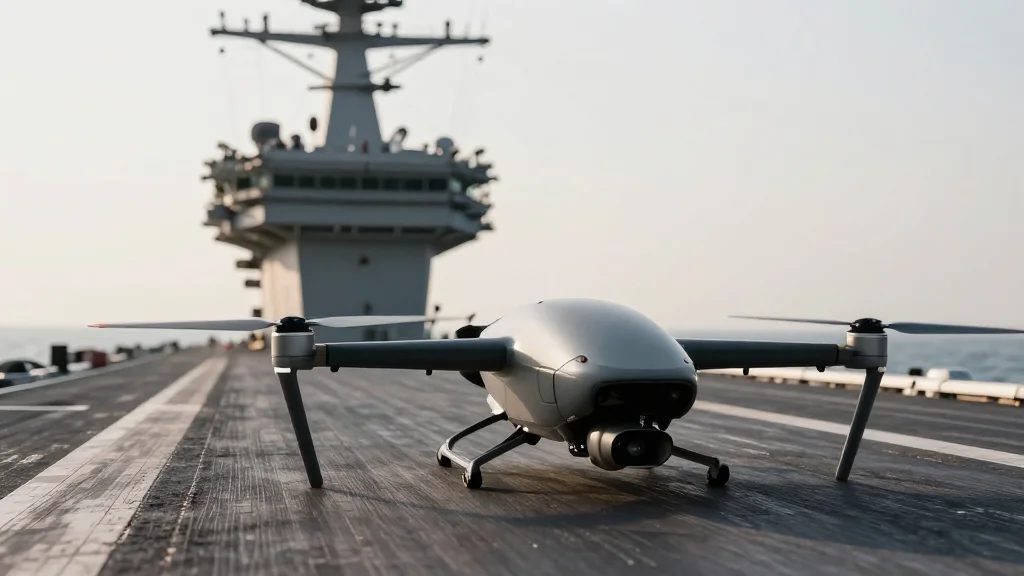
Boeing Debuts First Successful MQ-25A Stingray Flight
Companies Mentioned
Why It Matters
The successful test proves the Navy’s first carrier‑based unmanned refueler, extending strike range and freeing manned fighters for combat, while marking a milestone for autonomous carrier operations.
Key Takeaways
- •First operational MQ‑25A completed 2‑hour autonomous flight.
- •Demonstrated taxi, takeoff, landing via carrier mission control system.
- •Validates autonomous aerial refueling concept for carrier air wings.
- •Part of $805 million contract delivering four engineering development models.
- •Composite skins from Aurora, Syensqo, Hexcel evaluated for durability.
Pulse Analysis
The MQ‑25A Stingray represents the Navy’s long‑awaited entry into carrier‑based unmanned aerial refueling, a capability that could dramatically reshape force projection. Developed under a $805 million engineering and manufacturing contract, the program has progressed from prototype testing to an operational model that can autonomously execute a full flight profile. By extending the range of F/A‑18 Super Hornets and other strike aircraft, the Stingray promises to increase sortie rates and reduce the logistical burden of manned refueling missions.
During the two‑hour flight over Illinois, the aircraft showcased a suite of autonomous functions, from taxiing and takeoff to precise landing, all coordinated through the MD‑5 Ground Control Station. The successful integration of composite skins—leveraging Aurora’s advanced materials and contributions from Syensqo and Hexcel—underscores the emphasis on weight savings and durability for carrier operations. These materials not only improve fuel efficiency but also enhance survivability in the harsh maritime environment, positioning the Stingray as a technologically sophisticated platform.
Looking ahead, the Navy plans additional flight tests before moving the program to Naval Air Station Patuxet River for carrier qualification. If the Stingray meets its performance goals, it could set a precedent for future unmanned carrier aircraft, accelerating the shift toward manned‑unmanned teaming. For Boeing, the milestone reinforces its leadership in autonomous systems and deepens its strategic foothold in defense aviation, potentially opening avenues for export and further innovation in naval air power.
Boeing debuts first successful MQ-25A Stingray flight
Comments
Want to join the conversation?
Loading comments...