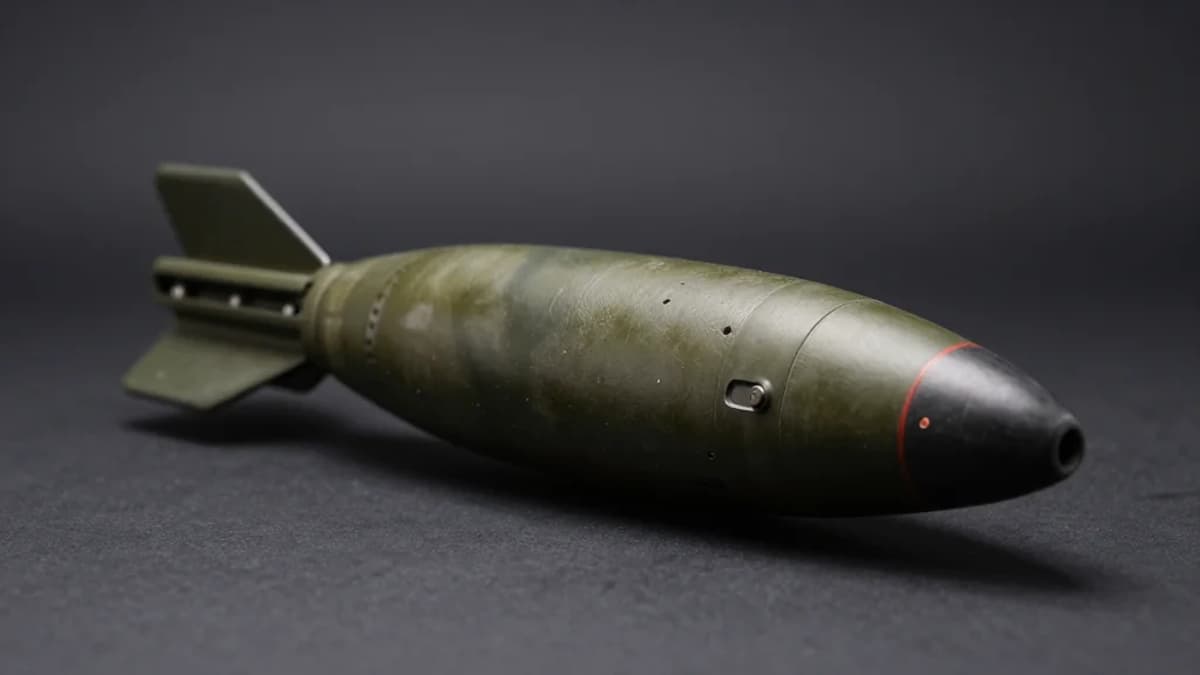
Boeing Shows Off JDAM LR Anti-Ship, Mining Bomber Payloads
Why It Matters
JDAM LR gives the U.S. Air Force a mass‑produced, long‑range strike and mine‑laying tool that can shape maritime contests in the Indo‑Pacific, while keeping costs and procurement timelines low.
Key Takeaways
- •JDAM LR reaches 300 nautical miles, decoy 700 nm
- •B‑52 can carry up to 20 JDAM LRs simultaneously
- •B‑1 can field up to 30 JDAM LRs in one sortie
- •Anti‑ship and Quickstrike mine variants expand maritime strike options
- •Affordable conversion kit enables rapid, large‑scale production
Pulse Analysis
Boeing’s JDAM LR builds on the proven Joint Direct Attack Munition family, adding a compact propulsion module and fuel tank to the ubiquitous Mk‑82 bomb. The result is a low‑cost, long‑range cruise missile capable of delivering a 500‑pound warhead or a Quickstrike mine at distances up to 300 nautical miles, with a decoy variant stretching to 700 nautical miles. Integration onto legacy platforms such as the B‑52H and B‑1B demonstrates the system’s flexibility, allowing each bomber to loft dozens of weapons in a single sortie, comparable to larger air‑launched cruise missiles.
The strategic value of JDAM LR lies in its ability to conduct standoff maritime strike and sea‑denial missions far beyond the reach of most surface‑to‑air defenses. By enabling B‑52s and B‑1s to disperse mines across chokepoints in the first island chain, the United States can impose a credible threat to hostile naval movements without committing carrier‑based assets. This capability aligns with U.S. Indo‑Pacific priorities, offering a rapid, scalable response to potential flashpoints around Taiwan and contested sea lanes, while also providing a cost‑effective alternative to more expensive cruise missiles.
From an industrial perspective, JDAM LR’s reliance on existing bomb stocks and a simple conversion kit accelerates production and reduces supply‑chain strain, a critical factor as defense budgets grapple with heightened demand for long‑range precision munitions. The affordable price point and high sortie rate potential make it attractive not only for the U.S. but also for allied air forces seeking to augment their strike portfolios. As geopolitical tensions drive a surge in demand for versatile, long‑range weapons, JDAM LR positions Boeing to capture a growing segment of the precision‑strike market.
Boeing Shows off JDAM LR Anti-Ship, Mining Bomber Payloads


Comments
Want to join the conversation?
Loading comments...