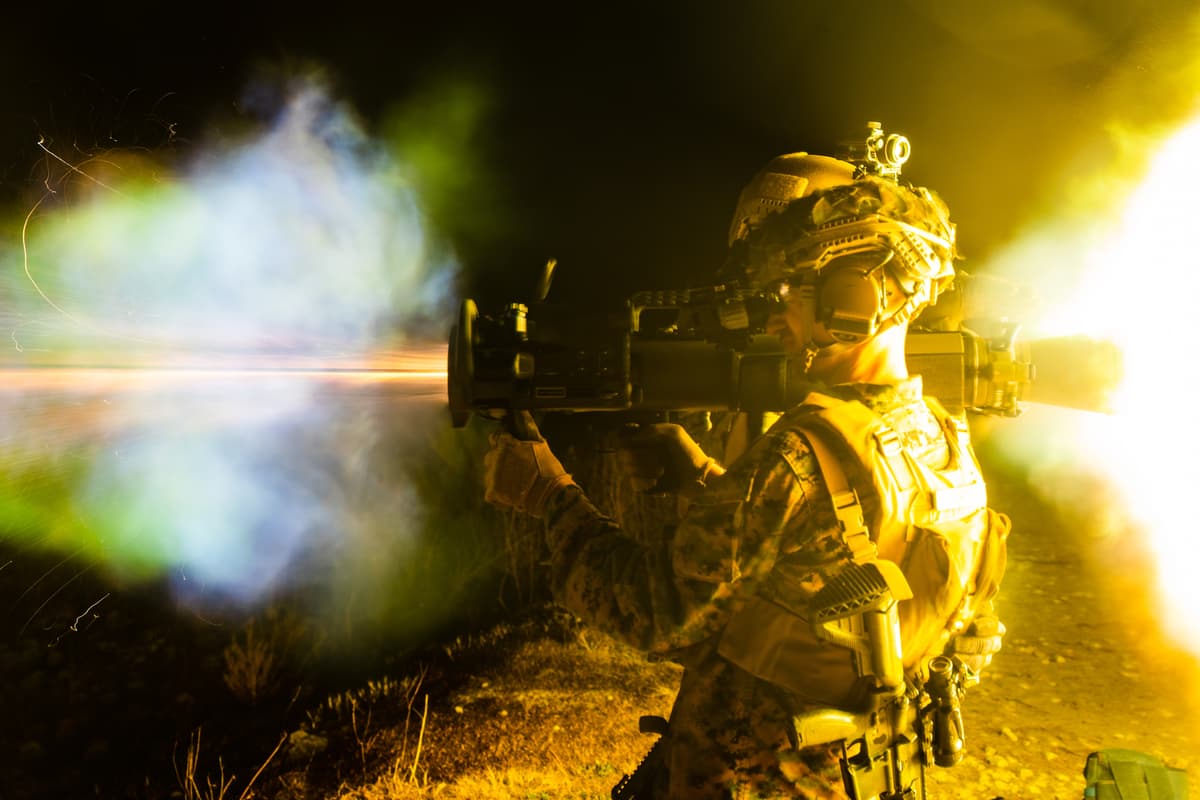
Brain Function Evaluations to Be Part of Marine Health Records
Why It Matters
Embedding neuropsychological data creates a proactive health‑monitoring system, helping the Corps meet congressional mandates while preserving combat readiness. Early detection of blast effects can drive safer training protocols and equipment design across the defense sector.
Key Takeaways
- •ANAM baseline testing now required for high‑risk Marines.
- •Observer distance rules implemented to reduce blast exposure on ranges.
- •4 PSI overpressure threshold to be reviewed by 2029.
- •Full ANAM integration into annual health assessments by September 2027.
- •Working group to develop mitigation policies and protective‑gear guidance.
Pulse Analysis
Congressional pressure has forced the Marine Corps to confront the long‑term effects of blast overpressure on service members. While the science of cumulative brain injury remains evolving, the Corps is taking immediate steps—such as enforcing observer distance limits on firing ranges—to limit exposure. These operational tweaks, paired with a newly formed Risk Management Directorate, signal a shift from reactive treatment to preventive risk assessment, aligning military health policy with broader federal health‑security initiatives.
At the heart of the new strategy is the Automated Neuropsychological Assessment Metrics (ANAM), a computer‑based test that quantifies cognitive function after blast events. Starting with high‑risk Marines—weapon instructors, range staff, and others—the Corps will establish baseline scores and embed the data into the Navy‑run periodic health assessment by September 2027. The 4 PSI overpressure threshold, currently the benchmark for safe exposure, will be re‑evaluated by 2029, ensuring that policy keeps pace with emerging research. A cross‑service working group is tasked with translating test results into actionable guidance for training, equipment design, and personal protective gear.
The broader implication for defense contractors and training developers is clear: demand for blast‑mitigation technologies will rise as the military seeks to protect cognitive health without eroding combat effectiveness. Simulators and low‑blast training aids are already being explored as alternatives to live‑fire exercises. By institutionalizing neuro‑assessment data, the Marine Corps not only safeguards its personnel but also creates a data‑rich environment that can inform future weapon system design, medical protocols, and legislative oversight, setting a precedent for other services confronting similar blast‑injury challenges.
Brain function evaluations to be part of Marine health records
Comments
Want to join the conversation?
Loading comments...