Braw in Prospect on What Constitutes an Act of War
Why It Matters
Clarifying what constitutes an act of war influences NATO’s collective response and determines insurers’ exposure to geopolitical risk, affecting both security policy and commercial markets.
Key Takeaways
- •Braw defines legal criteria for an act of war under international law
- •Nord Stream sabotage trial highlights challenges of attributing state-sponsored attacks
- •Insurers face liability questions as war‑like acts blur commercial risk
- •TSI influences NATO discourse on security thresholds and policy responses
Pulse Analysis
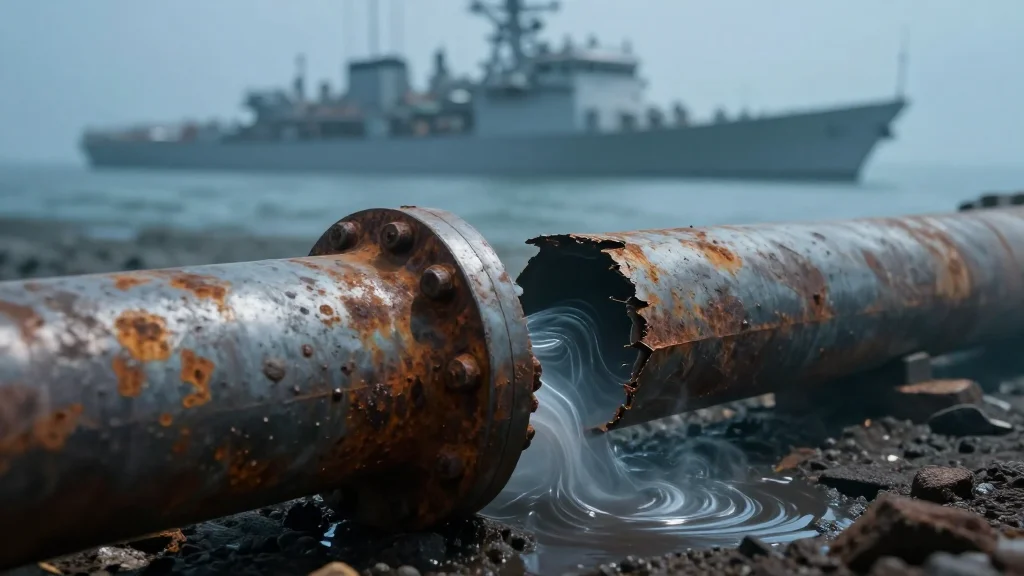
The concept of an "act of war" has long been anchored in treaty law and the United Nations Charter, but recent hybrid operations are testing those boundaries. In her Prospect article, Elisabeth Braw dissects the legal language that separates conventional armed conflict from covert sabotage, emphasizing that intent, scale, and state involvement remain the core determinants. By grounding her analysis in the Nord Stream pipeline incident, Braw illustrates how ambiguous actions can trigger war‑like classifications without a formal declaration, prompting policymakers to revisit outdated doctrines.
The Nord Stream sabotage trial, now in its evidentiary phase, serves as a litmus test for the international community’s ability to attribute responsibility in gray‑zone conflicts. Prosecutors must prove that a state actor directed the explosion, a hurdle that mirrors the broader difficulty of holding governments accountable for covert aggression. Meanwhile, insurers that underwrote the pipeline face unprecedented liability questions: are they covering a commercial loss, an act of war, or a terrorist event? The outcome will set a precedent for how risk is priced and transferred in sectors vulnerable to geopolitical disruption.
The Transatlantic Security Initiative, operating under the Scowcroft Center, leverages Braw’s research to inform NATO’s strategic calculus. By clarifying the legal thresholds for war‑like behavior, the TSI helps alliance members align defense postures, sanctions regimes, and collective security commitments. This dialogue is critical as allies confront a spectrum of threats—from cyber intrusions to infrastructure sabotage—that blur the line between peace and conflict, reshaping both security policy and the commercial insurance landscape.
Braw in Prospect on what constitutes an act of war
Comments
Want to join the conversation?
Loading comments...