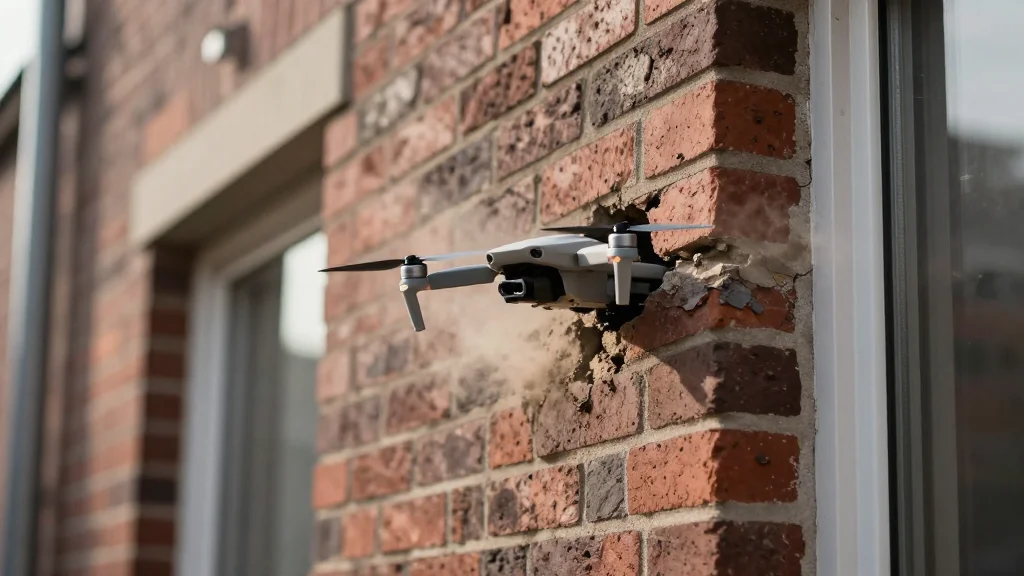
Braw in The Spectator on Whether a Stray Drone Constitutes an Attack
Why It Matters
The debate shapes how NATO and its members respond to low‑intensity, ambiguous threats, balancing rapid defence with the risk of unnecessary escalation. Clear criteria are essential to preserve alliance cohesion and prevent misinterpretation of technical mishaps as hostile actions.
Key Takeaways
- •NATO may treat stray drones as triggers for Article 5 consultations.
- •Legal definition of “armed attack” hinges on intent, scale, effect.
- •Rapid NATO response risks escalating technical accidents into strategic confrontations.
- •Clear attribution criteria needed to avoid misinterpretation of low‑intensity incidents.
- •Alliance doctrine now includes gray‑zone activities like unmanned aerial mishaps.
Pulse Analysis
The Galaţi drone incident forces a re‑examination of how international law defines an "armed attack." Article 51 of the UN Charter traditionally requires a demonstrable level of intent, scale, and effect before a state may invoke self‑defence. While the crash caused only minor damage, the presence of civilian casualties and the potential for malicious intent blur the line between an accident and a hostile use of force. Legal scholars argue that without clear evidence of purposeful aggression, the incident falls short of the classic armed‑attack threshold, yet it may still qualify as a hostile act if intent can be established.
NATO’s 2022 Strategic Concept broadened the notion of an attack to encompass "any use of force, including cyber‑operations, that threatens the security of a member." This doctrinal shift reflects growing concern over gray‑zone tactics—actions that fall below conventional war thresholds but aim to achieve strategic objectives. By treating low‑level incidents like stray drones as potential triggers for Article 5 consultations, the alliance signals a more proactive stance. However, this approach risks normalising ambiguous events as security threats, potentially diluting the collective‑defence principle and stretching resources thin across the alliance.
Operationally, NATO’s rapid deployment of Airborne Early Warning and Control assets after the Galaţi crash illustrates a move toward pre‑emptive posture. While heightened vigilance can deter hostile actors, it also raises the spectre of escalation if attribution remains uncertain. Policymakers therefore need robust frameworks for assessing intent, establishing clear attribution pathways, and calibrating proportional responses. Enhancing intelligence‑sharing mechanisms and developing standardized criteria for gray‑zone incidents will help allies avoid over‑reacting to technical mishaps while preserving the credibility of collective defence.
Braw in The Spectator on whether a stray drone constitutes an attack
Comments
Want to join the conversation?
Loading comments...