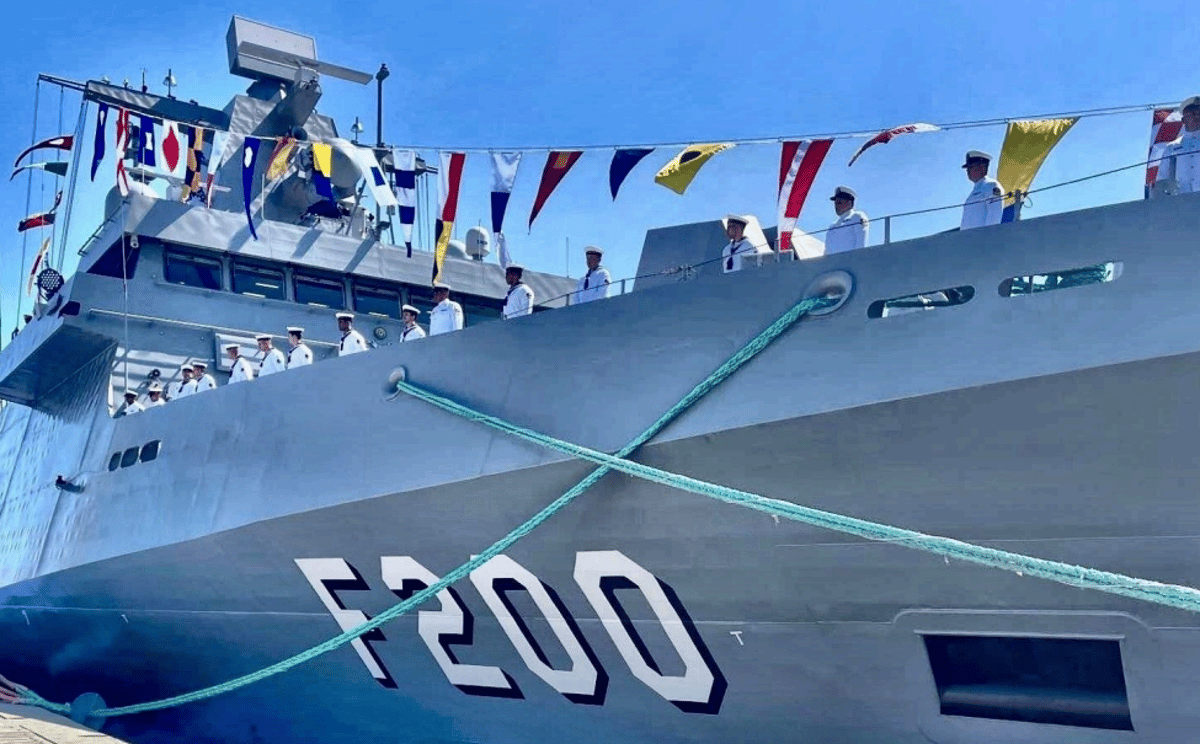
Brazilian Navy Commissions First Tamandaré-Class Frigate
Why It Matters
The commissioning boosts Brazil’s maritime strike and air‑defense capabilities while strengthening its domestic defense industry through technology transfer. It also positions Brazil among a select group of navies operating advanced TKMS‑built warships, enhancing regional security influence.
Key Takeaways
- •First Tamandaré frigate commissioned after four-year build
- •Program schedules delivery of three additional frigates by 2029
- •MEKO A-100 platform equips ship with SeaCeptor and Exocet missiles
- •Project transfers technology, bolstering Brazil's naval industrial capability
- •Brazil now part of 18 navies operating TKMS surface vessels
Pulse Analysis
Brazil’s naval modernization has taken a decisive step forward with the commissioning of the Tamandaré‑class frigate F200. The vessel, constructed in just under four years at the TKMS shipyard in Itajaí, reflects a strategic collaboration between Germany’s TKMS, Brazil’s Embraer and Atech under the EMGEPRON‑led program. By integrating the MEKO A‑100 modular design, the frigate offers flexibility for future upgrades, ensuring the Brazilian Navy can adapt to evolving maritime threats while maintaining interoperability with allied forces.
Technically, the Tamandaré class sets a new benchmark for Brazil’s surface combatants. At 107 meters and 3,500 tons, the ship carries the MBDA SeaCeptor air‑defense system, Exocet MM40 Block 3 anti‑ship missiles, a Leonardo 76/62 main gun, and advanced torpedo launchers. Atech and Atlas Elektronik provide a state‑of‑the‑art combat management system, while Embraer integrates sensors and weaponry, creating a highly networked platform. This blend of German engineering and Brazilian manufacturing not only enhances operational readiness but also reduces reliance on foreign maintenance cycles.
Strategically, the frigate’s entry into service expands Brazil’s blue‑water capabilities and signals a deeper defense partnership with Europe. Joining 18 navies that operate TKMS‑built vessels, Brazil strengthens its deterrence posture in the South Atlantic and can better protect vital trade routes. The upcoming delivery of three more ships by 2029 will further cement the country’s industrial base, creating skilled jobs and fostering domestic expertise in high‑tech shipbuilding. This program exemplifies how targeted technology transfer can drive both national security and economic growth, positioning Brazil as a rising maritime power in the region.
Brazilian Navy commissions first Tamandaré-class frigate
Comments
Want to join the conversation?
Loading comments...