Britain’s Navy Is Preparing to Clear Mines in the Strait of Hormuz — but only Once a U.S.-Iran Peace Agreement Is Reached
Why It Matters
Clearing the strait would restore a critical oil‑shipping corridor, easing global energy prices and reducing insurance premiums for carriers. The operation also signals the UK’s capability to project maritime security in a high‑risk region once diplomatic tensions subside.
Key Takeaways
- •RFA Lyme Bay equipped with autonomous mine‑hunting drones.
- •Mission hinges on a finalized US‑Iran peace agreement.
- •Goal: clear a lane for roughly 700 outbound vessels.
- •UK, France and allies plan joint naval operation after hostilities cease.
- •US has not confirmed any mines, commercial traffic remains reduced.
Pulse Analysis
The Strait of Hormuz, a chokepoint through which roughly 20% of global oil passes, has been effectively sealed off since Iran’s retaliation to the February 28 U.S.–Israel offensive. The blockage forced shipping reroutes, spiking freight rates and pushing Brent crude above $90 per barrel. Energy markets felt the ripple, with insurers raising premiums for vessels that dared to navigate the uncertain waters. Restoring free flow through the strait is therefore a priority not only for regional stability but for the broader global economy.
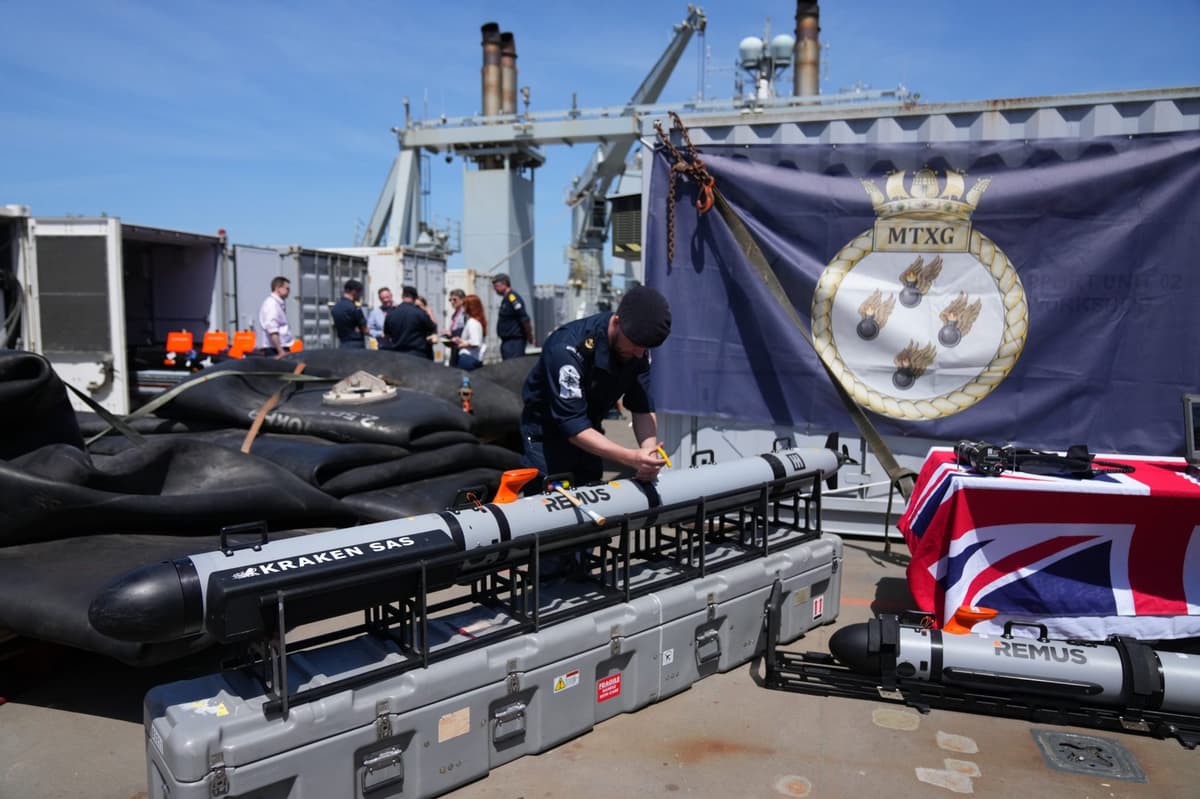
In response, the United Kingdom has positioned the RFA Lyme Bay as a mobile mine‑countermeasure platform. Loaded with sonar‑equipped sea drones, autonomous underwater vehicles and a remotely‑operated charge‑delivery system, the vessel can map seabed threats in half the time a crewed ship would require. Together with the destroyer HMS Dragon and allied warships, the UK intends to clear a transit lane for roughly 700 outbound ships before opening a second lane for inbound traffic. However, the operation is explicitly tied to the conclusion of a U.S.–Iran peace agreement, reflecting Washington’s insistence that any military action be coordinated with the diplomatic outcome.
If successful, the mine‑clearing effort would have immediate commercial benefits: insurers could offer lower coverage rates, shippers would resume pre‑conflict routes, and oil prices could stabilize. Strategically, it would showcase the UK’s advanced maritime capabilities and its willingness to lead multinational security initiatives, even amid criticism from the U.S. president. Yet the timeline remains uncertain; without confirmed mine detections and a signed peace deal, the mission could linger for months, underscoring the complex interplay between diplomacy, technology and naval power in today’s geopolitical landscape.
Britain’s navy is preparing to clear mines in the Strait of Hormuz — but only once a U.S.-Iran peace agreement is reached
Comments
Want to join the conversation?
Loading comments...