Why It Matters
The drills signal heightened NATO deterrence against Russian covert actions and protect critical under‑sea infrastructure, reinforcing collective defence in the strategically vital North Atlantic corridor.
Key Takeaways
- •Tamber Shield ’26 runs 28 Apr‑14 May in Bergen fjords
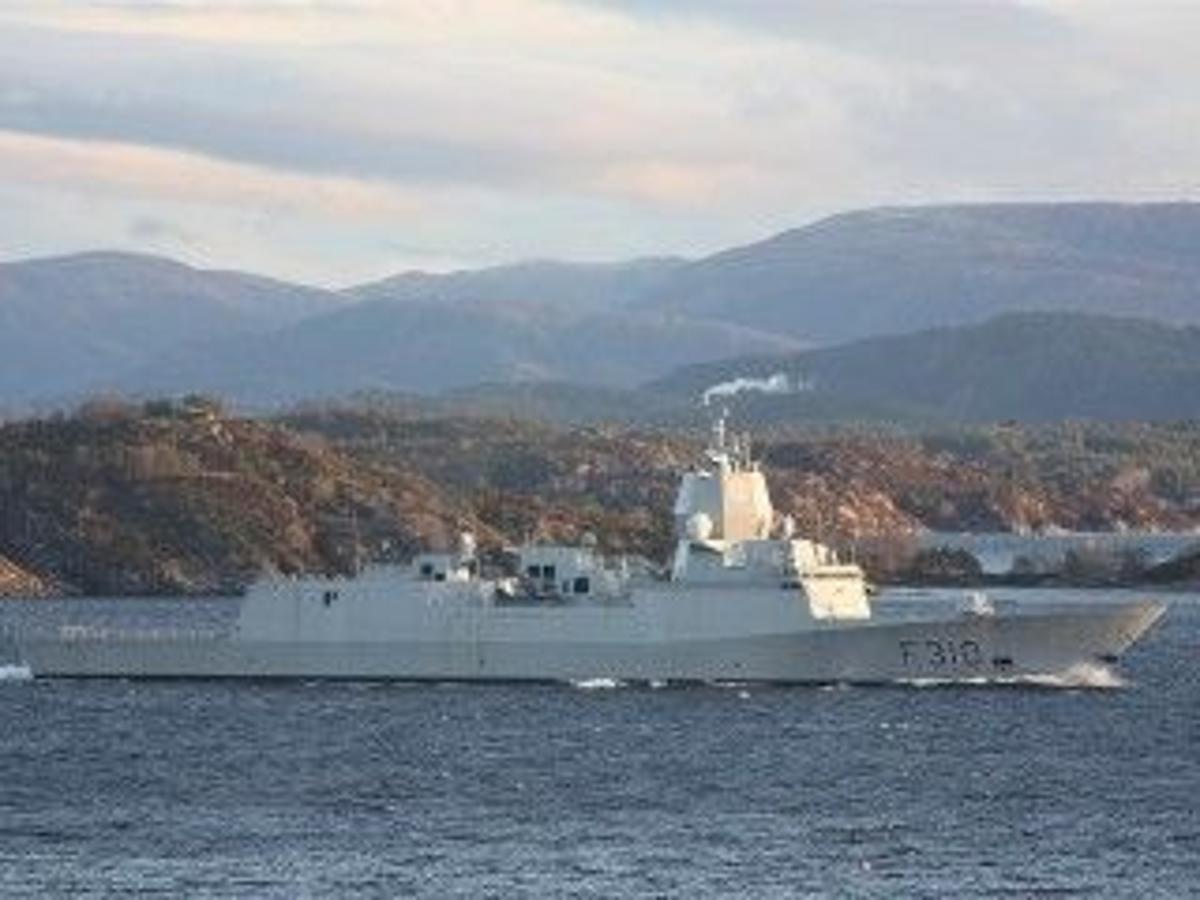
- •UK and Norway deploy Wildcat helicopters, Skjold corvettes, Fridtjof Nansen frigate
- •New British drone unit joins for reconnaissance missions
- •Exercises respond to Russian Akula submarine monitoring North Sea cables
- •Parallel Aurora ’26 involves 18,000 troops from 13 nations in Sweden
Pulse Analysis
Tamber Shield ’26 showcases how the United Kingdom and Norway are integrating legacy platforms with emerging technologies to secure the complex maritime terrain of Norway’s fjords. By pairing Wildcat helicopters and Skjold‑class corvettes with a dedicated British drone squadron, the exercises test rapid data sharing, real‑time targeting and coordinated air‑sea strikes. This blend of manned and unmanned assets reflects a broader NATO shift toward network‑centric warfare, where speed and interoperability become decisive against adversaries operating in littoral zones.
The backdrop for these drills is a surge in Russian under‑sea activity, highlighted by the detection of an Akula‑class nuclear submarine probing North Sea cable routes. Such operations, attributed to the GUGI directorate, raise alarms about potential sabotage of critical energy and communications infrastructure. NATO’s response—visible through Tamber Shield and parallel Aurora ’26 manoeuvres—demonstrates a commitment to safeguarding maritime supply chains and deterring covert espionage. Analysts note that the emphasis on fjord navigation and anti‑submarine tactics is a direct counter to Russia’s “shadow fleet” and its growing capability to disrupt GPS and radio signals in the High North.
Beyond the immediate tactical gains, the coordinated exercises reinforce political cohesion among NATO’s northern members. Aurora ’26, involving 18,000 troops from 13 countries, extends the deterrent posture into the Baltic Sea and the Swedish archipelago of Gotland, areas also vulnerable to Russian maritime pressure. The combined visibility of these drills sends a clear message: the alliance is prepared to defend under‑sea assets and maintain freedom of navigation across the North Atlantic and Baltic regions. Future iterations are likely to incorporate more autonomous systems, further blurring the line between traditional naval power and advanced robotics, ensuring that NATO retains a qualitative edge over emerging threats.
British-Norwegian maneuvers
Comments
Want to join the conversation?
Loading comments...