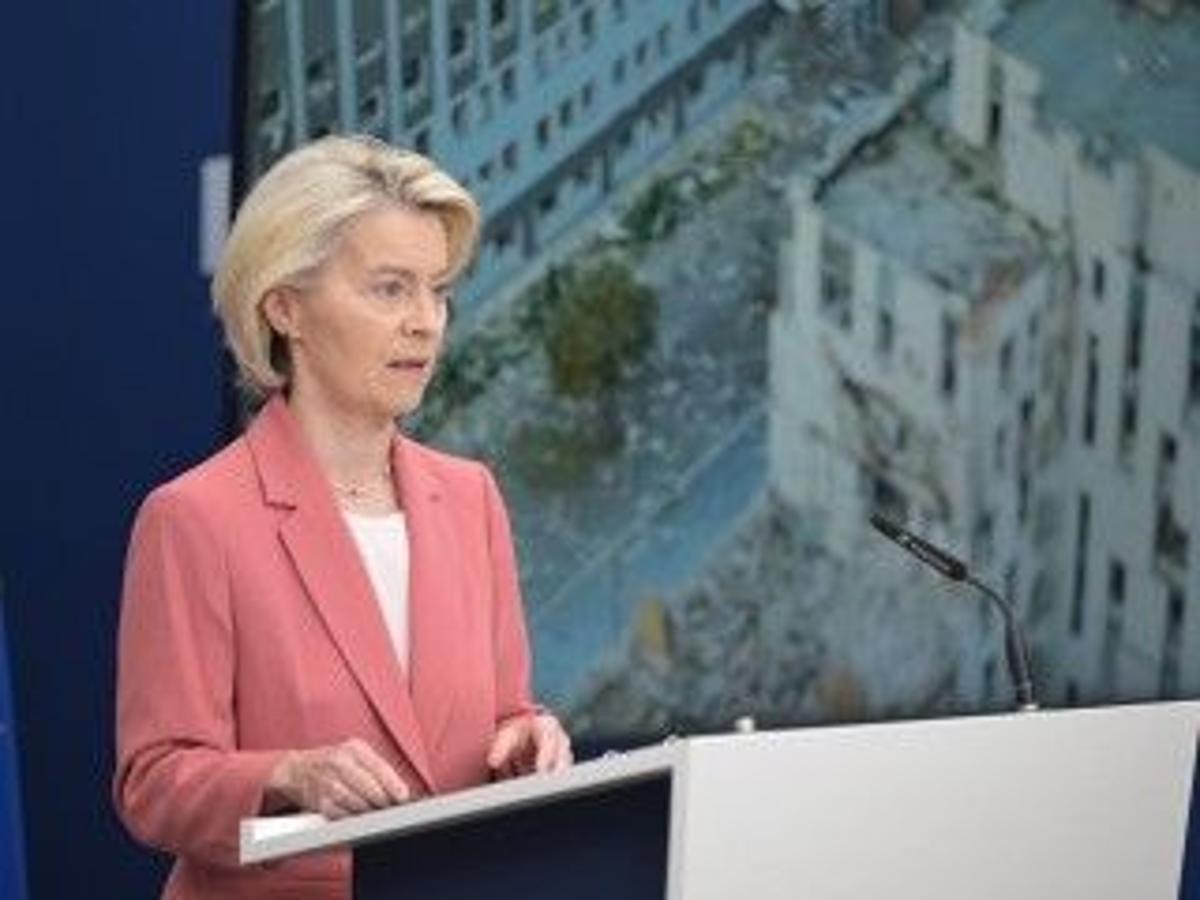
Brussels Proposes Entry Ban on Russian War Veterans
Why It Matters
Restricting veteran entry aims to curb potential criminal activity and reinforce EU security while tightening economic pressure on Russia amid its ongoing war. The move signals a broader, more comprehensive sanctions strategy that could reshape EU‑Russia relations and migration dynamics.
Key Takeaways
- •EU proposes entry ban for Russian army veterans since 2022
- •620k‑670k Russian visa applications in 2025; 80% approved
- •Ban targets crime risk from prison‑recruited soldiers
- •Sanctions add fishing sector and expand oil shadow fleet
- •Implementation likely swift after Hungary’s policy shift
Pulse Analysis
The EU’s latest sanctions proposal reflects a shift from purely economic levers to a hybrid approach that blends financial pressure with security safeguards. By targeting individuals who have served in the Russian military since the invasion, Brussels seeks to preempt a wave of veterans who might exploit the Schengen area’s open borders for illicit activities. This focus on personal-level restrictions complements broader measures such as energy caps and export bans, signaling that the Union is willing to expand its toolkit to address both macro‑economic and micro‑security concerns.
The scale of Russian visa demand highlights why the entry ban carries weight. In 2025, between 620,000 and 670,000 Russian citizens applied for Schengen visas, with four out of five receiving permits. Such volume places the EU’s migration and border management systems under strain, especially when a sizable share of applicants could be former soldiers recruited from prisons—a demographic linked to organized crime in several European states. By curbing their mobility, the EU aims to reduce the risk of cross‑border criminal networks that could undermine public safety and the integrity of the free‑movement area.
Beyond the immediate security rationale, the proposal dovetails with the broader 21st sanctions package, which for the first time targets Russia’s fishing industry and expands the list of sanctioned oil‑transport vessels to 662. These additions tighten economic pressure on Moscow while signaling a unified stance among member states, even as internal politics, such as Hungary’s recent policy shift, suggest rapid implementation. The combined effect is a more comprehensive strategy that leverages both economic and security dimensions to isolate Russia and protect EU interests.
Brussels proposes entry ban on Russian war veterans
Comments
Want to join the conversation?
Loading comments...