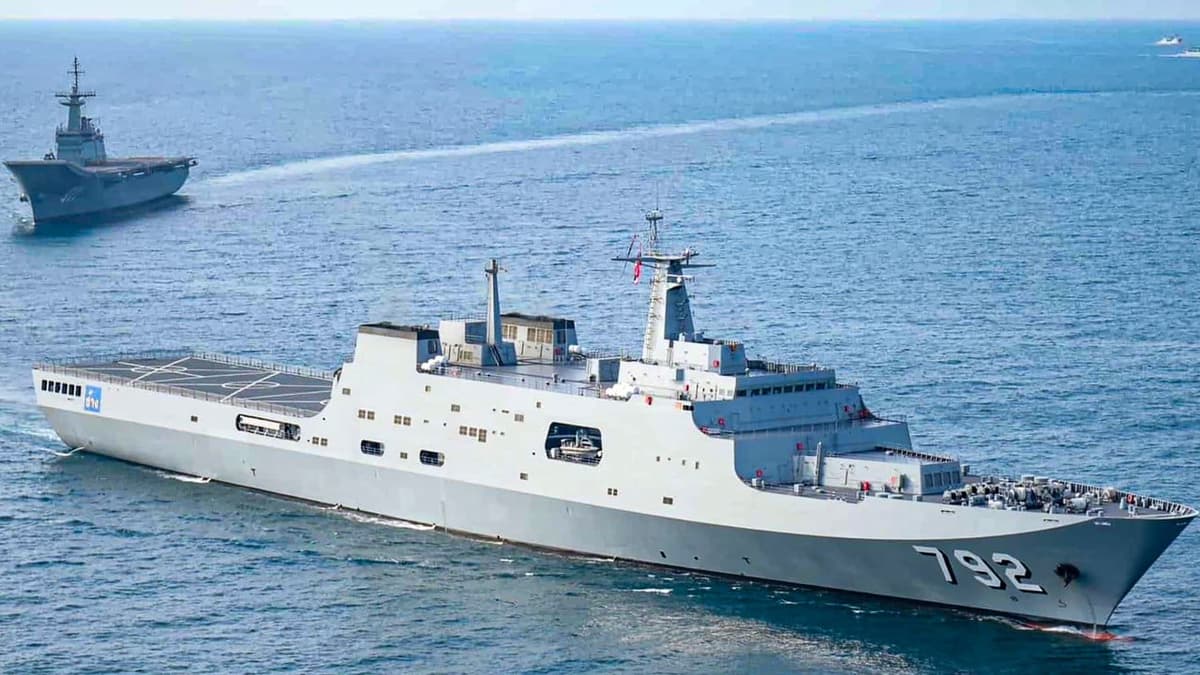
Budget Cuts Leave Thailand’s Twin-Sea Navy at Risk of Falling Behind
Why It Matters
The funding cut jeopardizes Thailand’s ability to maintain a credible deterrent across two critical maritime domains, potentially weakening its strategic posture in a region where naval power is rapidly expanding. Sustained under‑investment could impair protection of offshore energy assets and trade routes vital to the Thai economy.
Key Takeaways
- •2027 budget cuts cancel second modern frigate procurement
- •Navy aims for eight frigates by 2037, currently only four
- •Submarine program reduced to one vessel after engine dispute
- •Regional rivals Malaysia, Cambodia, Myanmar expanding naval capabilities
- •Analysts warn mid‑tier fleet may lag without sustained investment
Pulse Analysis
Thailand’s twin‑sea geography forces the Royal Thai Navy to guard the bustling Gulf of Thailand and the strategically vital Andaman Sea simultaneously. Both waterways host heavy commercial traffic, offshore energy projects, and serve as gateways to broader maritime routes. Maintaining a capable presence in these areas is essential for safeguarding Thailand’s exclusive economic zone, protecting critical infrastructure, and ensuring freedom of navigation for regional trade.
The latest budget decision to drop a second modern frigate from the 2027 plan underscores a broader procurement dilemma. While the navy’s 2023 white paper envisions eight frigates by 2037, only four are operational today, and the ambitious submarine program has been pared down to a single, undelivered vessel after a protracted engine dispute. Neighboring navies—Malaysia’s modernization drive, Cambodia’s new Chinese‑built corvettes, and Myanmar’s domestically produced warship—are rapidly enhancing their fleets, creating a widening capability gap that could erode Thailand’s deterrence and limit its response options in contested waters.
Analysts argue that without a clear, long‑term strategic blueprint and consistent funding, Thailand risks slipping into a mid‑tier naval status insufficient for emerging threats. The Philippine Navy’s recent turnaround, driven by sustained investment and modern combat systems, offers a regional template for revival. To avoid strategic marginalisation, Thai policymakers must align defence spending with maritime priorities, ensuring the navy can field modern platforms that protect economic interests and uphold regional stability.
Budget cuts leave Thailand’s twin-sea navy at risk of falling behind
Comments
Want to join the conversation?
Loading comments...