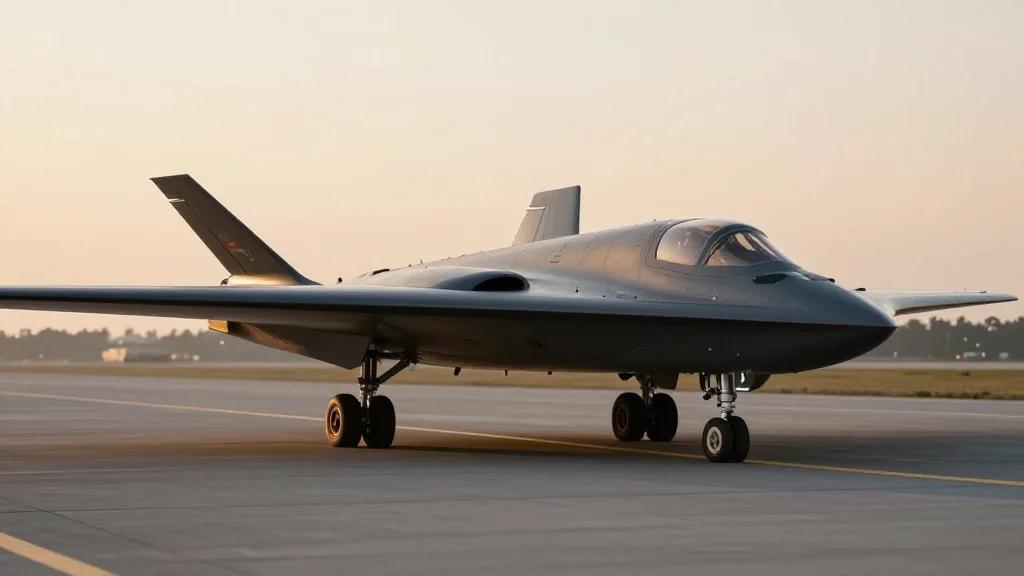
Budget Request Directs Record $338.8 Billion to Air Force and Space Force to Meet “Challenges of Today and Tomorrow”
Why It Matters
The surge in funding signals Washington’s commitment to outpace peer competitors in air and space domains, directly influencing defense procurement, industrial base health, and national security posture.
Key Takeaways
- •$338.8 billion request sets record for Air Force‑Space Force combined budget
- •Funding prioritizes hypersonic weapons, AI, and resilient satellite networks
- •Modernization includes next‑gen fighters, bomber upgrades, and space launch capability
- •Increased spend aims to counter China and Russia’s growing capabilities
- •Boosted budget supports cyber‑defense and talent pipelines for space operations
Pulse Analysis
The United States’ FY 2025 defense budget request has allocated an unprecedented $338.8 billion to the Air Force and Space Force, underscoring a strategic pivot toward high‑tech dominance in both domains. This infusion dwarfs the previous year’s combined budget by roughly 10 percent, reflecting heightened concerns over near‑peer threats and the rapid evolution of warfare technologies. By earmarking substantial resources for hypersonic glide vehicles, artificial‑intelligence‑driven command and control, and next‑generation satellite constellations, the Pentagon aims to preserve a decisive edge in speed, precision, and situational awareness.
Beyond weapons systems, the budget emphasizes a comprehensive modernization agenda that includes the acquisition of advanced sixth‑generation fighters, upgrades to the B‑21 bomber fleet, and the expansion of launch infrastructure for resilient space operations. These investments are designed to replace aging platforms, reduce logistical footprints, and integrate emerging capabilities such as quantum communications. The emphasis on a robust industrial base also seeks to sustain domestic aerospace manufacturers, creating a feedback loop that fuels innovation and job growth across the United States.
Strategically, the record allocation signals to allies and adversaries alike that the U.S. is committed to maintaining air‑ and space‑superiority well into the next decade. It bolsters deterrence by ensuring rapid response options, enhances joint operational readiness, and provides the fiscal foundation for future doctrines centered on autonomous systems and multi‑domain integration. For defense contractors, policymakers, and security analysts, this budget trajectory offers a clear roadmap of where capital will flow, shaping the competitive landscape of global aerospace and space capabilities.
Budget request directs record $338.8 billion to Air Force and Space Force to meet “challenges of today and tomorrow”
Comments
Want to join the conversation?
Loading comments...