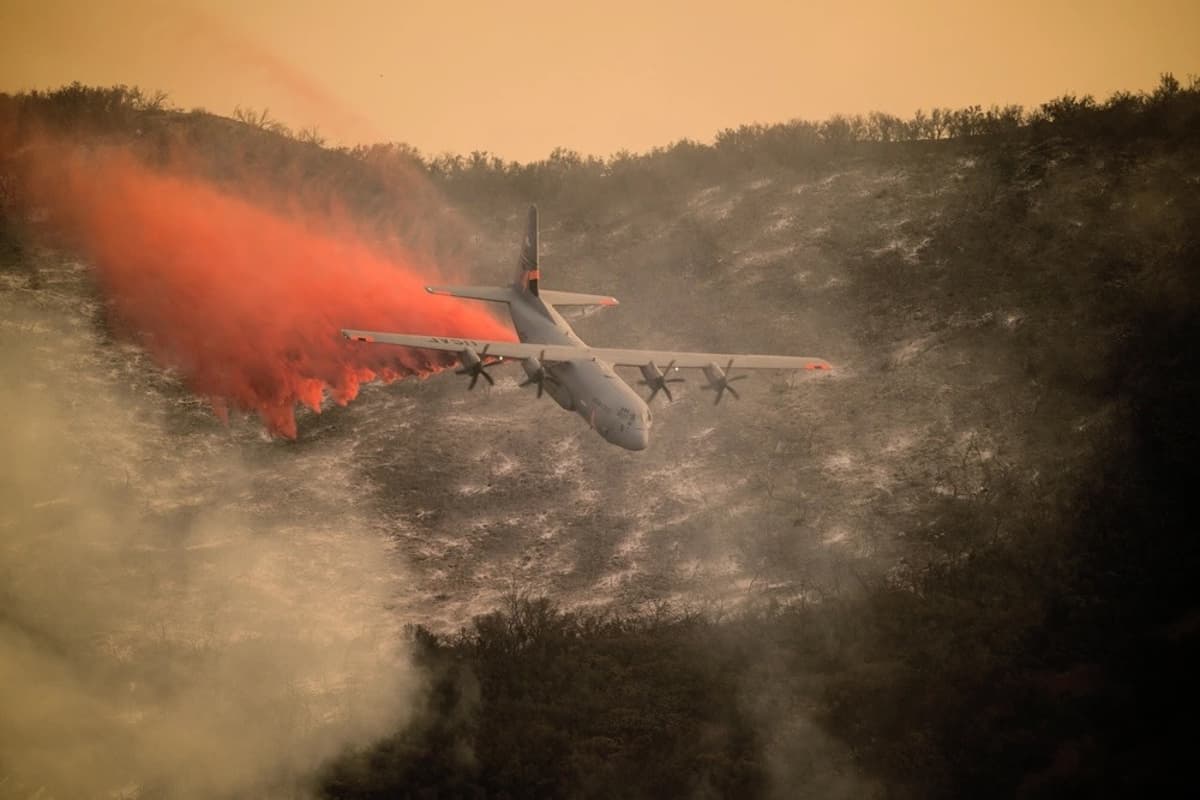
C-130 Hercules Crashed Into Trees Shortly After Takeoff in Colombia, Killing 69: Preliminary Probe Finds
Why It Matters
The crash underscores critical safety gaps in military transport operations and may accelerate reforms in aircraft procurement, maintenance, and obstacle‑awareness training across Latin‑American air forces.
Key Takeaways
- •Crash killed 69, injured 57 of 126 aboard
- •Plane struck three trees within four seconds of takeoff
- •Investigation found vegetation in two engines, affecting wing performance
- •President Petro blames bureaucratic delays in aircraft modernization
- •Tree strikes remain a persistent risk for low‑altitude military flights
Pulse Analysis
The Colombian Air Force’s C‑130 Hercules went down on March 23, just a kilometre from Puerto Leguizamo runway, killing all 69 passengers and crew while injuring 57 of the 126 people on board. Preliminary findings show the four‑engine turboprop clipped three trees four seconds after lift‑off, sending vegetation into two engines and compromising the left wing’s aerodynamics. The crash, the deadliest Colombian military aviation disaster in recent years, has reignited scrutiny of the nation’s aging transport fleet, which was acquired in 2020 amid a broader push to modernize armed‑forces equipment.
Beyond the immediate tragedy, the incident highlights systemic challenges that many Latin‑American air forces face: limited obstacle‑clearance data, constrained budgetary resources, and the operational pressure to deploy older aircraft in rugged terrain. While the preliminary report rules out excess weight and adverse weather, the presence of tree material in the engines points to a possible lapse in pre‑flight inspection or inadequate terrain‑awareness systems. In an era where digital obstacle‑mapping and enhanced flight‑deck displays are standard for commercial operators, military units often lag behind, increasing the likelihood of low‑altitude strikes.
Policymakers and defense leaders are likely to accelerate procurement of newer platforms or retrofit existing C‑130s with modern terrain‑awareness and collision‑avoidance technology. The Colombian president’s criticism of bureaucratic delays may translate into faster approval processes for upgrades, mirroring reforms seen after similar accidents in Australia and the United States. Training programs that emphasize tree‑strike mitigation, coupled with real‑time obstacle databases, can reduce risk for future missions, especially in jungle‑border regions. Ultimately, the crash serves as a stark reminder that even well‑known airframes demand continuous investment in safety infrastructure.
C-130 Hercules Crashed Into Trees Shortly After Takeoff in Colombia, Killing 69: Preliminary Probe Finds
Comments
Want to join the conversation?
Loading comments...