Why It Matters
The funding gap threatens Taiwan's ability to modernize its military and could weaken deterrence against Chinese aggression, while also testing U.S. security commitments in the Indo‑Pacific.
Key Takeaways
- •Cabinet proposes special budget after legislature cut defense spend by $15 bn
- •Proposed programs include AI‑enabled kill chains and indigenous arms production
- •Debt ceiling limits prevent adding defense items to regular budget
- •Opposition cites fiscal discipline, fearing debt exceeds 15% cap
- •U.S. warns budget delays could be a concession to China
Pulse Analysis
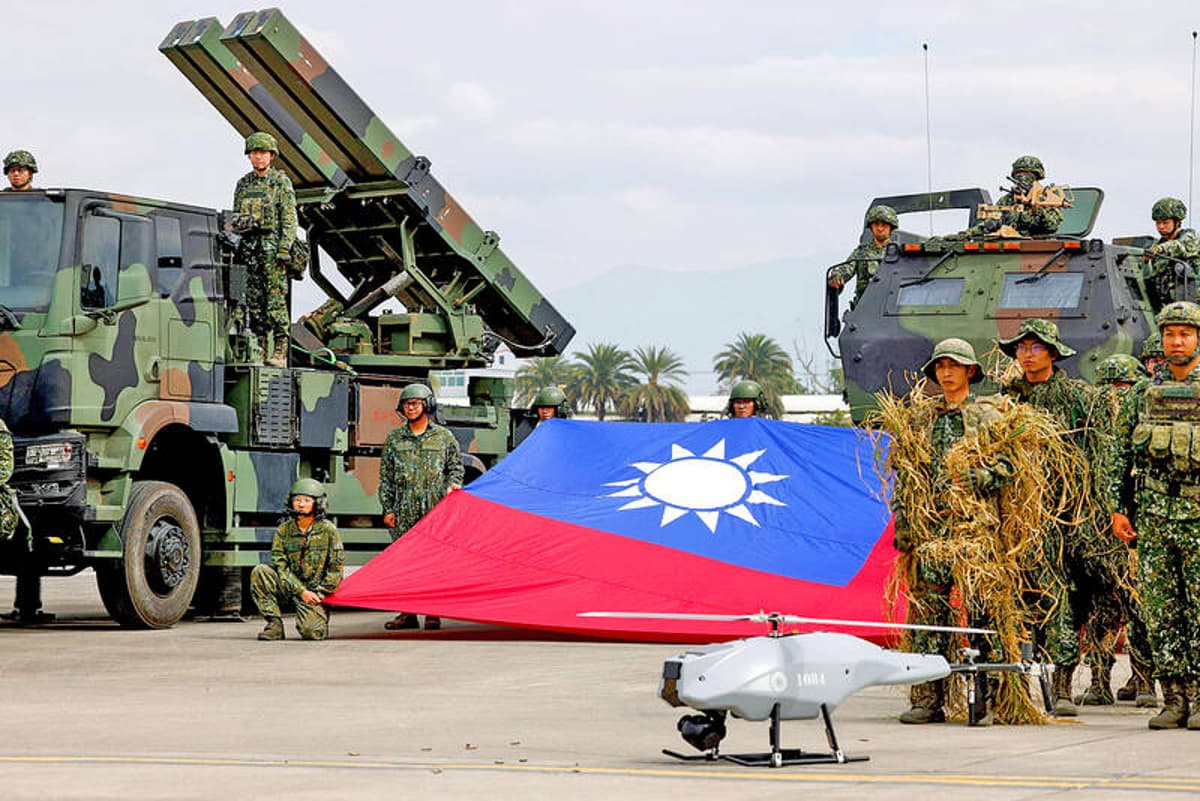
Taiwan’s defense financing has entered a political flashpoint as the Executive Yuan seeks a special budget to rescue a suite of high‑tech programs. The original NT$1.25 trillion proposal, which would have funded AI‑enhanced kill‑chains, the T‑Dome early‑warning radar and a boost to the domestic arms sector, was slashed to NT$780 billion by opposition lawmakers. That reduction not only leaves a roughly $15 billion gap but also fails to cover the cost of advanced weapon systems already ordered from the United States, raising concerns about the island’s readiness amid rising cross‑strait tensions.
Beyond the immediate procurement shortfall, the budget dispute highlights Taiwan’s fiscal constraints. The Public Debt Act caps national debt at 15% of GDP, meaning any attempt to absorb the defense shortfall into the regular budget would breach legal limits and force cuts to social‑welfare programs. By pursuing a separate special budget, the Cabinet aims to sidestep these constraints while preserving essential defense capabilities. However, this approach depends on legislative cooperation, and the KMT’s emphasis on fiscal discipline signals a protracted negotiation ahead.
The outcome carries strategic implications for the broader Indo‑Pacific. U.S. officials have warned that delays in Taiwan’s defense spending could be interpreted as a concession to Beijing, potentially eroding confidence in the U.S. security umbrella. A successful special budget could reinforce Taiwan’s deterrence posture, sustain its indigenous defense industry, and signal continued U.S. partnership. Conversely, prolonged deadlock may embolden Chinese coercion and destabilize regional security dynamics, making the budget battle a bellwether for future cross‑strait relations.
Cabinet mulls new special bill
Comments
Want to join the conversation?
Loading comments...