Why It Matters
A stagnant U.S.–Iran standoff sustains geopolitical volatility, threatens energy markets, and imposes ongoing economic costs on the region and worldwide investors.
Key Takeaways
- •Cease‑fire likely holds as both sides avoid full‑scale war
- •No progress on nuclear enrichment, sanctions or Hormuz negotiations
- •Frozen conflict may trigger regional flare‑ups and global price volatility
- •Iranian regime faces sustained costs despite regime survival prospects
Pulse Analysis
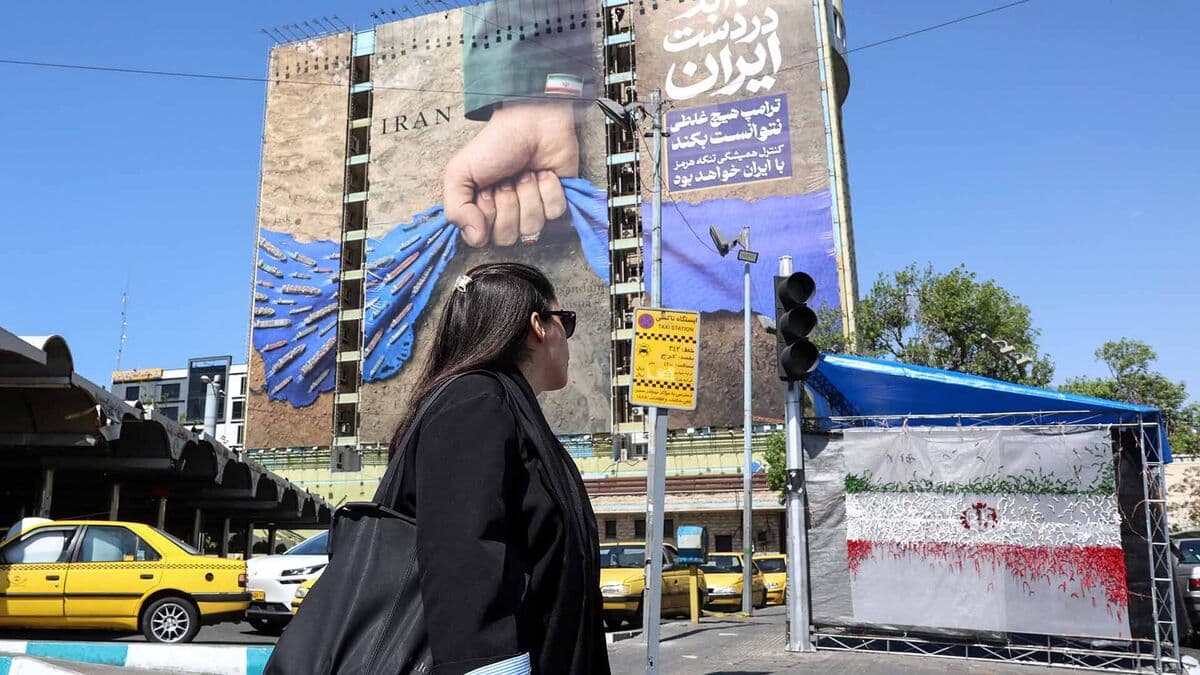
The latest extension of the U.S.–Iran truce underscores a strategic shift from active combat to a precarious cease‑fire, leaving the underlying geopolitical fault lines untouched. While diplomatic overtures such as the 15‑point and 10‑point plans have stalled, the immediate priority for both Washington and Tehran is to avoid another full‑scale military escalation. President Trump’s stated aim to pull U.S. forces out of the region reinforces a low‑intensity posture, but it does not resolve the core disputes over nuclear enrichment, sanctions relief, or control of the Strait of Hormuz, a chokepoint that handles roughly a fifth of global oil shipments.
Analysts warn that a “frozen war” scenario can become a self‑sustaining cycle of tension, where periodic skirmishes erupt without a clear pathway to peace. For Iran, the regime can endure the cease‑fire, yet the economic and humanitarian toll of sanctions and limited oil export capacity continues to erode domestic stability. For the United States, maintaining a disengaged stance reduces immediate military costs but risks ceding influence in a region where rival powers like China and Russia are eager to fill the vacuum. The absence of substantive dialogue also hampers any progress toward a verifiable nuclear agreement, keeping the risk of proliferation alive.
The broader implications ripple through global markets. Energy traders monitor Hormuz traffic closely, as any disruption can spike crude prices and affect supply chains worldwide. Financial institutions reassess exposure to Middle‑East sovereign debt, while multinational corporations reevaluate investment risk in the region. Policymakers in Washington and Canberra are therefore compelled to balance the desire for a swift disengagement with the need for a durable diplomatic framework that addresses nuclear non‑proliferation, sanctions relief, and maritime security, lest the conflict solidify into a costly, indefinite stalemate.
Can the Iran Conflict Become a Forever War?
Comments
Want to join the conversation?
Loading comments...