Can UK Interceptor Efforts Keep Pace with the Rising Drone Threat?
Why It Matters
Securing the UK’s airspace against proliferating drones enhances national security and supports allied forces, while signaling growing market demand for advanced CUAS solutions.
Key Takeaways
- •UK MoD signs multi‑million‑pound Skyhammer contract (~$6.5 M).
- •Deliveries begin May, spanning six months.
- •Skyhammer targets larger UAVs, filling CUAS gap.
- •Rising drone use in Ukraine drives global counter‑UAS demand.
- •Smaller drone threats still need additional solutions.
Pulse Analysis
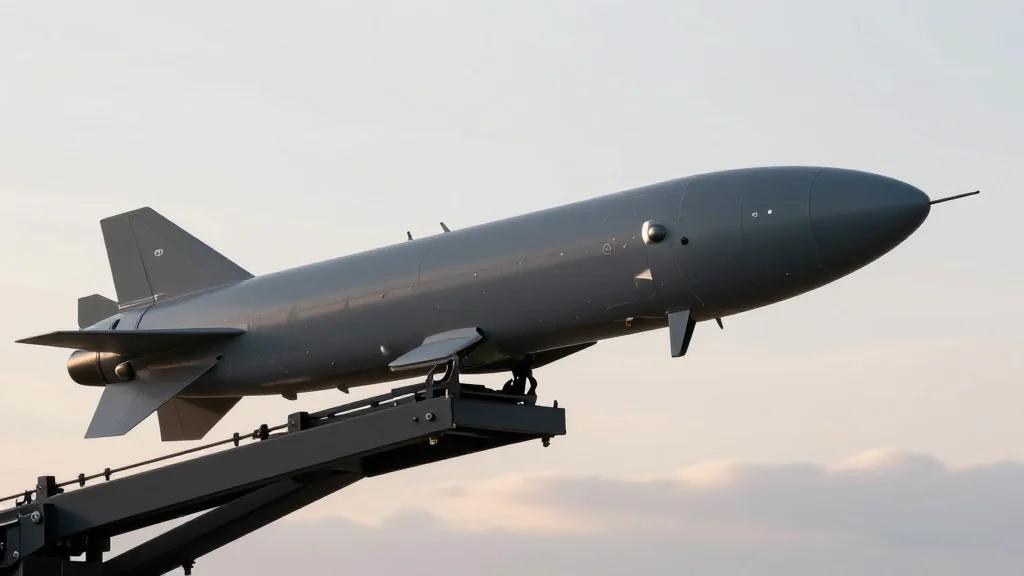
The rapid diffusion of inexpensive drones across modern battlefields—from Ukraine’s front lines to the deserts of the Middle East—has forced defence ministries worldwide to rethink air‑defence strategies. Traditional radar and missile systems struggle against swarms of low‑observable platforms, prompting a surge in counter‑UAS (CUAS) procurement. In the United Kingdom, the Ministry of Defence’s recent contract with Cambridge Aerospace reflects this urgency, allocating multi‑million‑pound funding—approximately $6.5 million—to field the Skyhammer interceptor, a system designed to neutralise larger, more capable unmanned aerial vehicles.
Skyhammer, a home‑grown solution from the Cambridge‑based SME, promises a modular, rapid‑deployment architecture that integrates with existing UK air‑defence networks. The six‑month delivery schedule, commencing in May, will see the system rolled out to both British forces and Gulf allies, underscoring the UK’s intent to export its CUAS capabilities. By focusing on higher‑threat UAVs, Skyhammer fills a critical gap in the current defence posture, offering a kinetic response that complements electronic‑warfare measures and provides a deterrent against hostile drone incursions.
Nevertheless, the Skyhammer acquisition is only one piece of a broader puzzle. Smaller, low‑cost drones—often employed for surveillance or as loitering munitions—remain difficult to detect and intercept with conventional missile‑based solutions. Industry analysts predict that the next wave of CUAS investments will prioritize layered defenses, combining directed‑energy weapons, AI‑driven detection, and swarming counter‑measures. For the UK, maintaining a flexible, multi‑tiered approach will be essential to stay ahead of evolving drone tactics and to protect both domestic assets and coalition partners in an increasingly contested aerial environment.
Can UK interceptor efforts keep pace with the rising drone threat?
Comments
Want to join the conversation?
Loading comments...