Canada, Finland and US Push Forward on Next-Gen Icebreaker Program
Companies Mentioned
Why It Matters
By synchronizing industrial resources, the ICE Pact accelerates delivery of critical Arctic vessels, strengthening security and creating high‑skill jobs across North America and Europe.
Key Takeaways
- •ICE Pact moves from coordination to concrete shipbuilding implementation
- •Finnish shipyards begin hull work on Canada’s Polar Max icebreaker
- •Trilateral effort targets workforce training and supply‑chain alignment across three nations
- •U.S. Arctic Security Cutter program leverages Canadian and Finnish shipbuilding expertise
- •Initiative aims to capture growing global market for icebreakers and polar tech
Pulse Analysis
The melting Arctic and heightened geopolitical interest have turned ice‑capable vessels into strategic assets. Recognizing this, Canada, Finland and the United States formalized the Icebreaker Collaboration Effort (ICE Pact) to synchronize design, production and research across the three nations. By shifting from high‑level coordination to on‑the‑ground implementation, the pact promises faster delivery of next‑generation icebreakers that can operate year‑round in extreme conditions. This collaborative framework also signals a broader commitment to Arctic security, where civilian and defense maritime capabilities increasingly intersect.
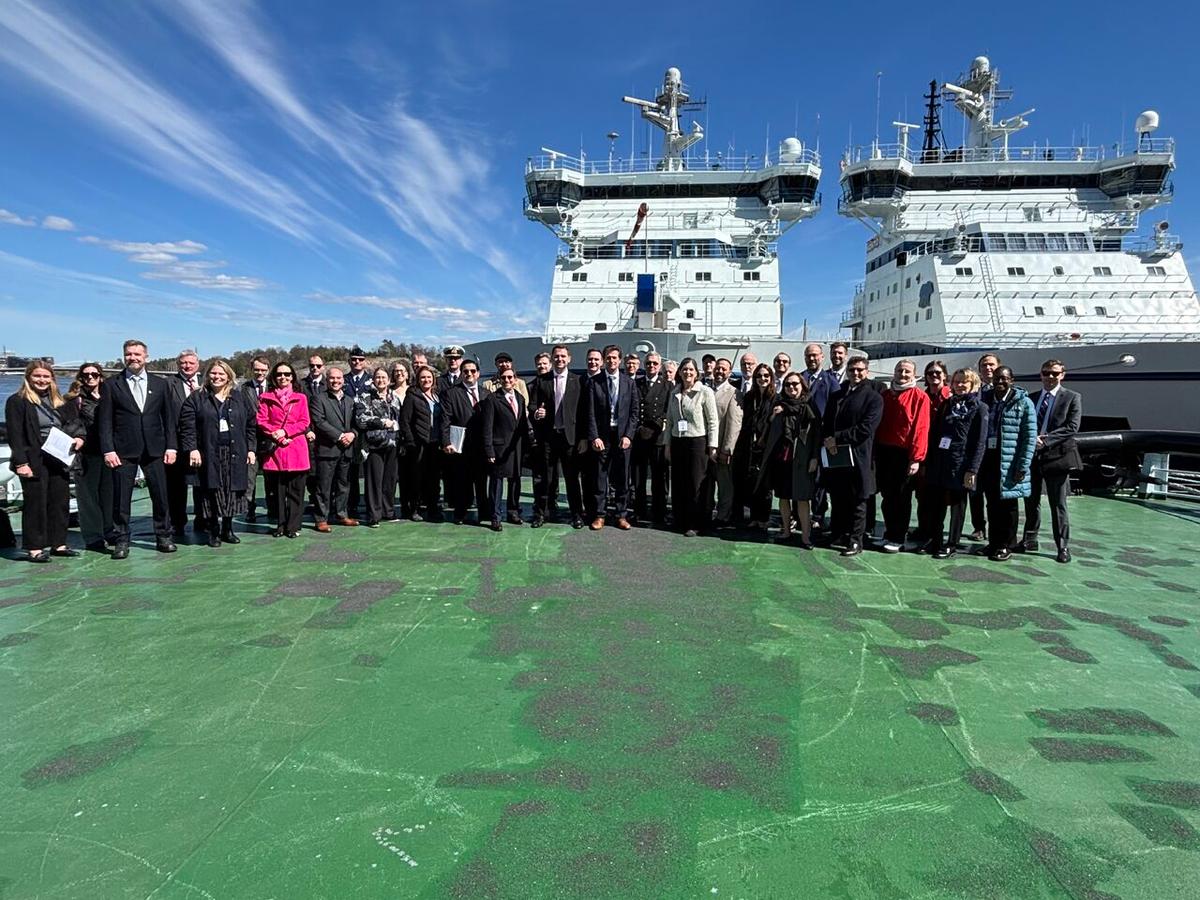
During a two‑day summit in Helsinki, delegations toured key Finnish yards such as Rauma Marine Constructions, Steerprop and the Canadian‑owned Helsinki Shipyard, where the hull of Canada’s Polar Max is already under construction. The meetings produced concrete agreements on aligning shipyard capacity, streamlining supply‑chain logistics and launching joint workforce‑training programs to address chronic labor shortages in shipbuilding. In parallel, the United States is advancing its Arctic Security Cutter program, tapping Canadian firms like Seaspan and Davie alongside Finnish partners, thereby embedding trilateral expertise into its defense procurement pipeline.
The ICE Pact positions the three countries to capture a rapidly expanding global market for icebreakers and polar‑technology solutions, projected to exceed several billion dollars in the next decade. By harmonizing standards and pooling R&D on propulsion, hull design and autonomous navigation, participants can offer cost‑competitive vessels to both government and commercial customers worldwide. Moreover, the collaboration deepens strategic ties among NATO allies, reinforcing a unified front against emerging Arctic challenges such as increased shipping traffic and resource competition. As climate change reshapes the high north, the pact’s industrial momentum will likely dictate future market leadership.
Canada, Finland and US push forward on next-gen icebreaker program
Comments
Want to join the conversation?
Loading comments...