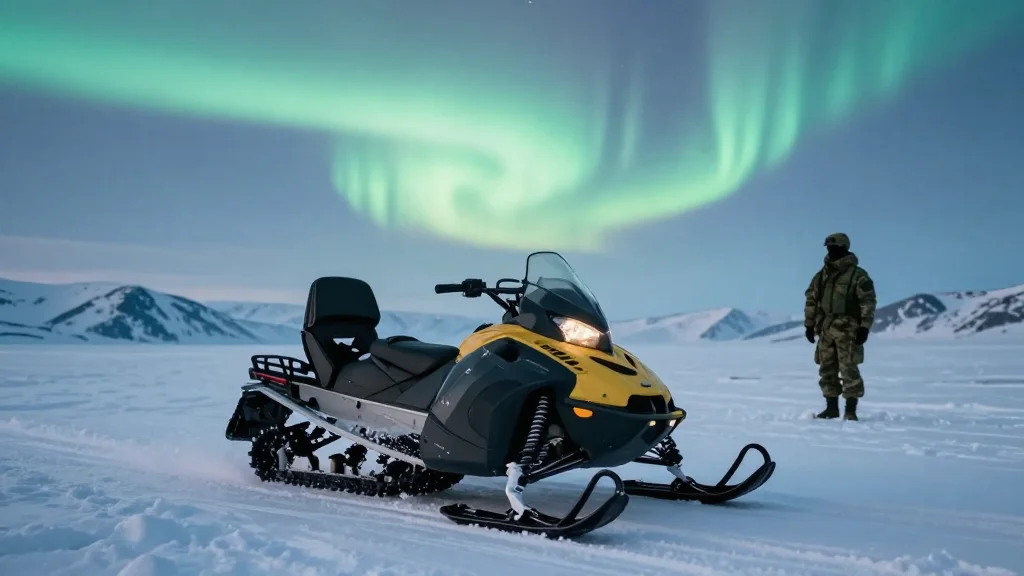
Canada Tests Arctic Defences as Sovereignty Push Meets Harsh Reality
Why It Matters
Canada’s move toward self‑reliant Arctic defence reshapes NATO’s northern posture and signals to Russia and China that the region will not be left unguarded, even as capability gaps remain.
Key Takeaways
- •5,000 km snowmobile patrol tested troops in -60 °C Arctic
- •Canada earmarked C$35 bn ($26 bn) for northern defence upgrades
- •1,300 soldiers conducted largest Arctic exercise since 2007
- •Aging North Warning radar system deemed obsolete, needs modernization
- •Russian infrastructure expansion heightens security concerns for Canada’s Arctic
Pulse Analysis
The Arctic has shifted from a remote frontier to a geopolitical hotspot as melting ice opens new shipping lanes and untapped mineral deposits. Canada, which controls roughly 4 million square kilometres of the region, faces the dual challenge of protecting its sovereign claims while ensuring safe navigation for commercial and military vessels. This strategic imperative drives a broader debate among NATO allies about resource competition, climate‑driven security risks, and the need for a coordinated Arctic policy that balances environmental stewardship with defence readiness.
In response, the Canadian government unveiled a C$35 bn ($26 bn) modernization plan that funds new icebreakers, upgraded radar sites, and forward operating bases. The recent 5,000‑km snowmobile patrol, involving 1,300 soldiers, demonstrated the ability to move troops and heavy equipment across inhospitable terrain, but also highlighted critical shortfalls such as the aging North Warning System, which experts label a legacy network ill‑suited for modern threats. While Canada boasts the world’s second‑largest icebreaker fleet, its radar coverage remains patchy, prompting calls for accelerated procurement and tighter integration with U.S. NORAD assets.
The broader security calculus extends beyond bilateral Canada‑U.S. ties. Russian infrastructure projects are pushing further north, and Chinese interest in Arctic shipping routes adds another layer of complexity. By asserting a more autonomous defence posture, Canada aims to deter potential incursions and reassure allies that the Arctic will remain a zone of peaceful cooperation. However, the continued reliance on U.S. intelligence and joint air patrols underscores that full self‑sufficiency remains a long‑term goal, requiring sustained investment and multilateral engagement to address the evolving threat landscape.
Canada tests Arctic defences as sovereignty push meets harsh reality
Comments
Want to join the conversation?
Loading comments...