Canada to Discontinue Construction of Nanisivik Arctic Naval Facility
Why It Matters
Abandoning Nanisivik saves billions in future operating costs and redirects resources toward more flexible Arctic infrastructure, strengthening Canada’s sovereignty in a geopolitically sensitive region.
Key Takeaways
- •Canada spent $70 M CAD (~$51 M USD) on Nanisivik.
- •Project overruns pushed remediation cost to $180 M CAD (~$130 M USD).
- •New Harry De Wolf‑class vessels reduce refueling needs.
- •Alternative ports in Iqaluit and Milne under consideration.
- •Environmental cleanup will remove all remaining infrastructure.
Pulse Analysis
Canada’s decision to scrap the Nanisivik refueling station underscores the fiscal pressures of Arctic infrastructure. The project, launched in 2007, has become a cautionary tale of how extreme weather, corrosion from cold‑water bacteria, and logistical challenges can inflate budgets dramatically. With over $70 million CAD already sunk and remediation projected at $180 million CAD, policymakers concluded that further investment would not yield proportional strategic benefits, especially as the nation seeks to balance defense spending with broader economic priorities.
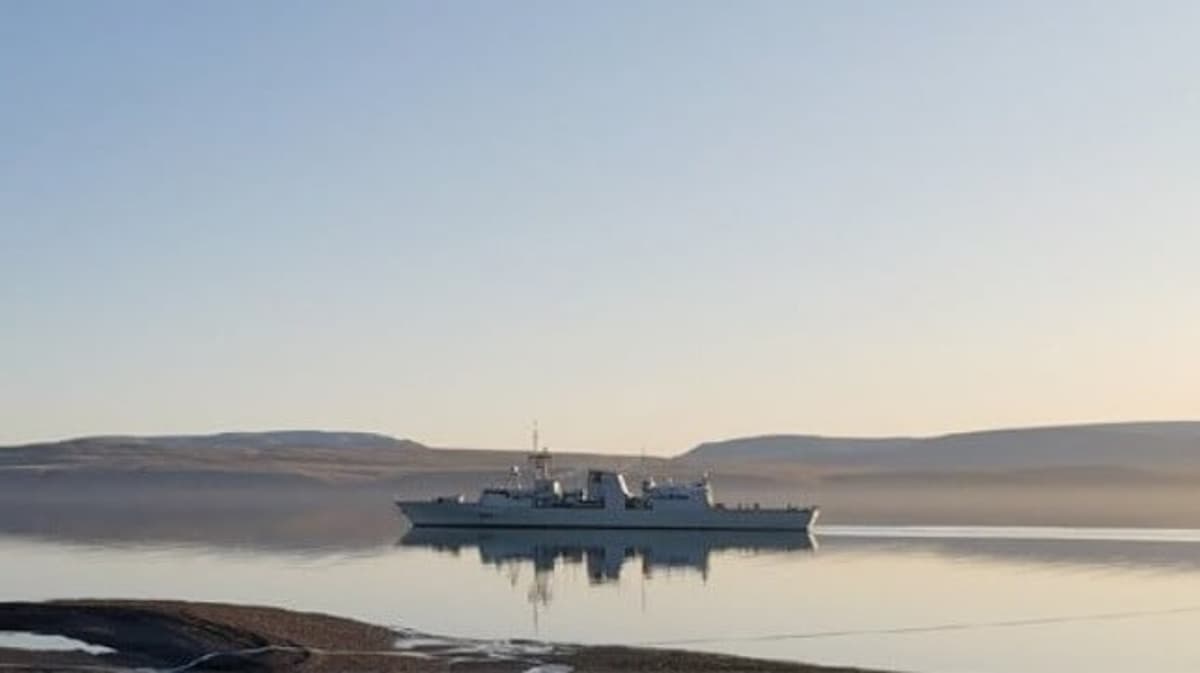
The shift reflects a broader transformation in Canada’s Arctic maritime strategy. New Harry De Wolf‑class icebreakers, exemplified by the recently commissioned CCGS Donjek, boast extended range and endurance, diminishing the need for frequent fuel stops. Consequently, the government is pivoting toward existing deep‑water facilities in Iqaluit and the newly approved private port at Milne, owned by Baffinland Iron Mines. These alternatives promise year‑round access without the prohibitive heating infrastructure required at Nanisivik, offering a more cost‑effective backbone for Arctic patrols and resource development.
Environmental remediation of the Nanisivik site will also set a precedent for responsible decommissioning in fragile ecosystems. Removing the remaining infrastructure mitigates contamination risks and aligns with Canada’s commitments under international environmental agreements. As the nation continues to modernize its Arctic patrol fleet, the focus will likely remain on flexible, multi‑use ports that can support both defense and commercial activities, reinforcing sovereignty while fostering sustainable economic growth in the High North.
Canada to Discontinue Construction of Nanisivik Arctic Naval Facility
Comments
Want to join the conversation?
Loading comments...