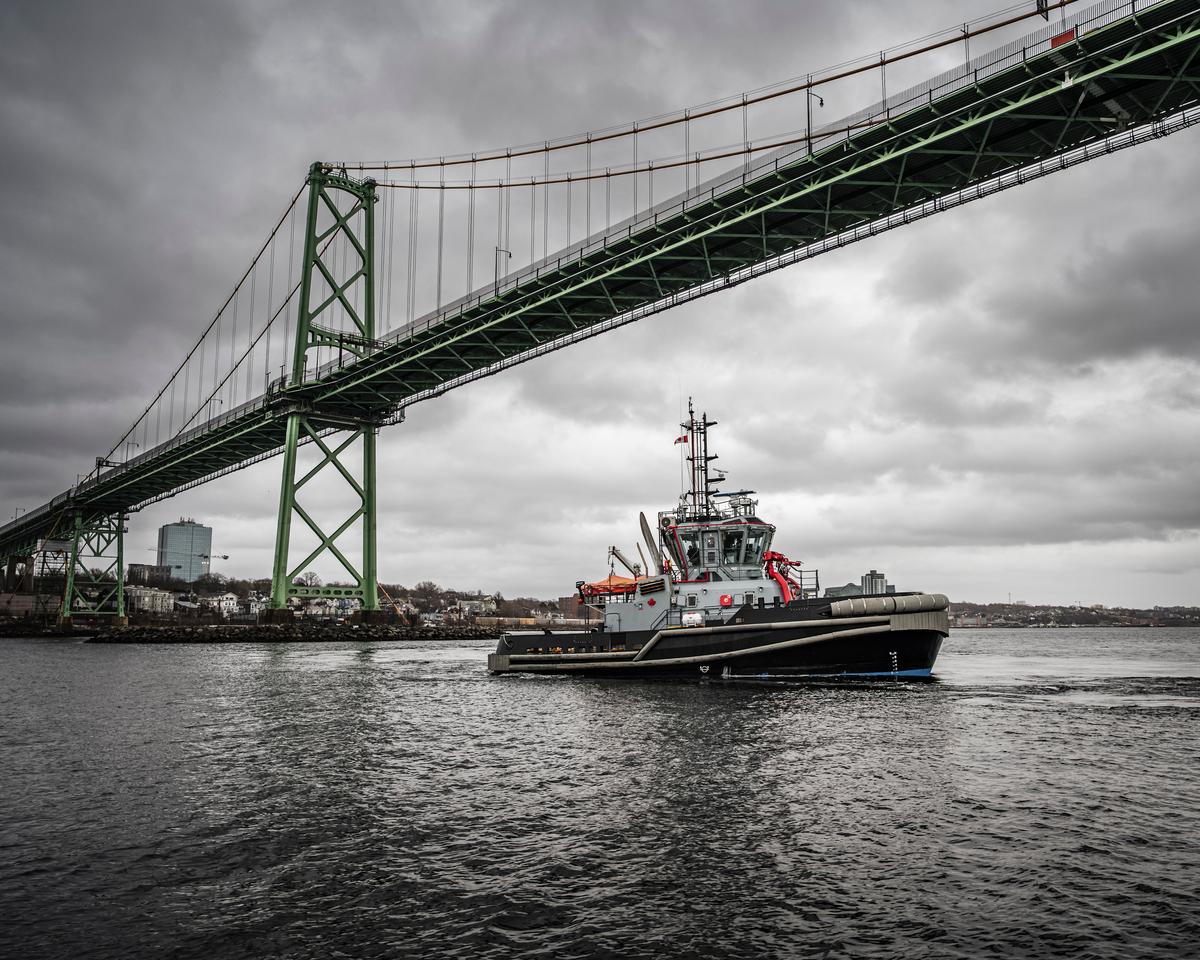
Canadian Navy Enriches Fleet with New Naval Large Tug
•March 10, 2026
0
Why It Matters
The new tugs bolster harbour and coastal support, directly enhancing RCN fleet readiness and Atlantic operational capability.
Key Takeaways
- •CFAV Canso delivered, first East Coast large tug.
- •Six new tugs replace aging Glen and Fire-class vessels.
- •Contract value rose to $213.45 million after $81 million add‑on.
- •Tugs support harbour berthing, towing, firefighting for RCN.
- •Additional vessels slated for delivery through 2026.
Pulse Analysis
Naval auxiliary vessels, often overlooked, are the backbone of a fleet’s daily operations. Large tugs like CFAV Canso provide critical harbour‑berthing assistance, coastal towing, and fire‑suppression capabilities that keep warships maneuverable and safe. Their modest size and crew complement enable rapid response in congested ports, reducing turnaround time for combat vessels and ensuring that larger ships can focus on strategic missions rather than logistical bottlenecks.
Canada’s recent procurement reflects a broader shift toward modernizing support infrastructure alongside frontline combat platforms. By amending the Ocean Industries contract and injecting an additional $81 million, the government secured six new 24‑meter tugs to replace the aging Glen‑class and Fire‑class fleet. This investment not only extends the service life of essential harbour assets but also standardizes the tug fleet across both coasts, simplifying training, maintenance, and operational planning for the Royal Canadian Navy.
Strategically, the arrival of Canso on the Atlantic coast strengthens Maritime Forces Atlantic’s ability to sustain deployments and respond to emergencies in a region marked by busy shipping lanes and challenging weather. With further vessels like Stella Maris, Sansum and Belle slated for delivery by the end of 2026, the RCN is positioning itself to meet growing operational demands, from NATO exercises to Arctic sovereignty patrols. The enhanced tug capability ensures that Canada’s naval power remains mobile, resilient, and ready to protect its maritime interests.
Canadian Navy enriches fleet with new naval large tug
0
Comments
Want to join the conversation?
Loading comments...