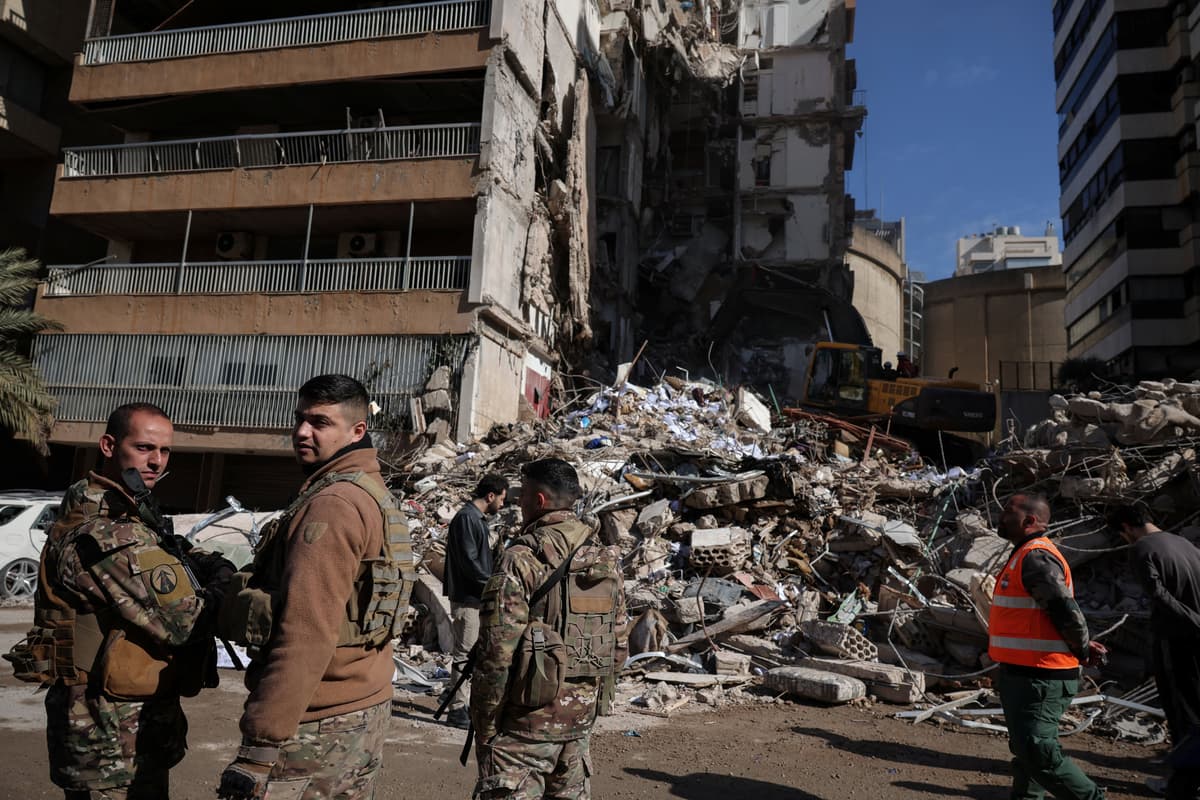
Ceasefire Offers Respite, but No Quick Rebound for the Gulf
Companies Mentioned
Why It Matters
The prolonged disruption of Hormuz threatens global energy supplies and drags Gulf economies into a sharp slowdown, reshaping regional power dynamics and investor sentiment.
Key Takeaways
- •Ceasefire offers temporary relief but Hormuz remains largely closed
- •Gulf growth forecast cut to 1.3% in 2026, down from 4.4%
- •Tourism losses could reach $32 billion across GCC nations
- •Iran's control of ship passage fuels regional security concerns
- •Oil price projected above $100 per barrel if Hormuz stays shut
Pulse Analysis
The latest ceasefire in the Middle East delivered a fleeting pause in hostilities, yet the underlying tensions remain volatile. Iranian missile and drone strikes resumed within days, underscoring that the truce is fragile and that the strategic Strait of Hormuz continues to be a flashpoint. While the United States maintains a forward military posture, regional actors such as the UAE and Saudi Arabia voice deep concerns over any conditional passage that could effectively grant Iran leverage over global oil flows.
Economically, the conflict has upended what was projected to be a banner year for Gulf economies. The World Bank trimmed its 2026 growth outlook to 1.3%, a stark drop from the 4.4% forecast for 2025, reflecting weaker oil revenues, constrained exports, and a steep decline in tourism. Industry estimates suggest the sector could lose as much as $32 billion, eroding fiscal buffers and delaying diversification initiatives. Meanwhile, oil market analysts warn that if Hormuz stays blocked, Brent crude could consistently trade above $100 per barrel, inflating import costs for energy‑dependent nations and adding volatility to financial markets.
Geopolitically, Iran’s insistence on controlling ship movements through Hormuz reshapes the balance of power in the Gulf. Gulf states fear an emboldened Tehran could dictate terms that compromise their economic sovereignty, prompting them to seek alternative routes and bolster defensive capabilities. The upcoming diplomatic talks in Islamabad will test whether a broader regional consensus can emerge to de‑escalate the crisis. For investors and policymakers, monitoring the interplay between military developments, oil pricing, and diplomatic negotiations will be crucial in gauging the trajectory of both regional stability and global energy markets.
Ceasefire offers respite, but no quick rebound for the Gulf
Comments
Want to join the conversation?
Loading comments...