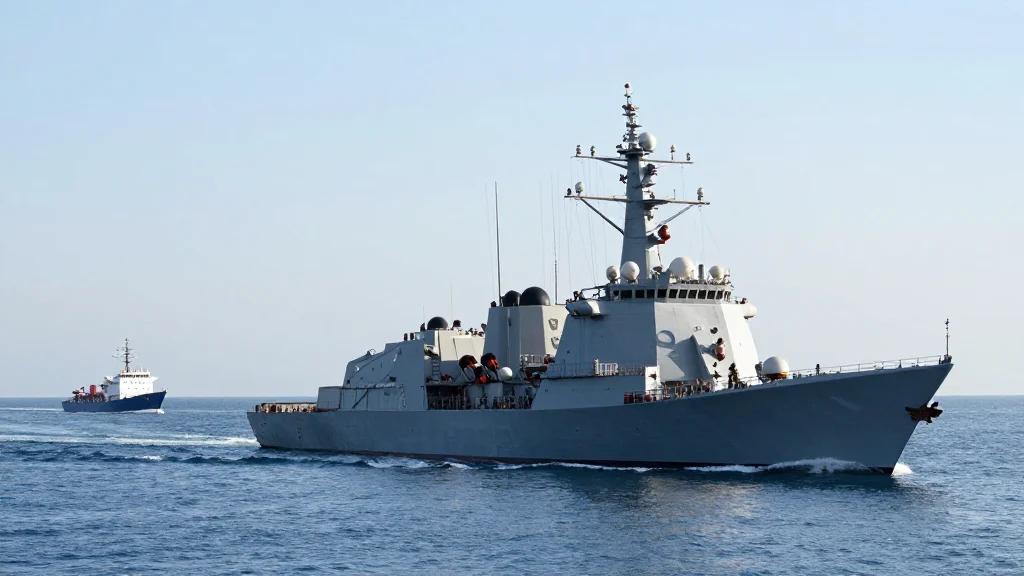
CENTCOM Chief Visits Israel, Bahrain Amid Iran Ceasefire, Blockade
Why It Matters
The visits reaffirm U.S. commitment to regional stability, deter further Iranian aggression, and protect the global flow of energy through Hormuz, a critical chokepoint for oil markets.
Key Takeaways
- •Kurilla met Israeli defense chiefs to discuss Iran's ceasefire impact
- •Bahrain host discussed joint naval drills protecting Hormuz shipping lanes
- •U.S. signals continued deterrence despite Tehran's limited escalation
- •Visits aim to reassure allies and stabilize regional energy markets
Pulse Analysis
The arrival of CENTCOM’s top commander in Israel and Bahrain signals a shift from reactive posturing to proactive coordination in a volatile region. By convening with Israeli defense ministers, Kurilla sought to align intelligence on Iran’s missile deployments and to assess how Tehran’s cease‑fire pledge might reshape threat calculations. This dialogue also serves to reassure Israel that the United States will sustain its security umbrella, especially as Tehran tests the limits of its influence through asymmetric tactics rather than full‑scale war.
In Bahrain, the focus turned to maritime security in the Strait of Hormuz, where Iran’s blockade threatens to disrupt up to 20 percent of global oil shipments. Joint naval drills discussed during the visit aim to enhance interoperability between U.S. Fifth Fleet assets and Gulf Cooperation Council navies, ensuring rapid response capabilities should the blockade expand. The emphasis on freedom of navigation reflects broader U.S. energy‑security priorities, as any prolonged closure could push oil prices upward and strain supply chains worldwide.
Strategically, the dual‑country tour underscores Washington’s intent to maintain a calibrated deterrence that balances pressure on Tehran with diplomatic outreach to its allies. By reinforcing defense ties and showcasing a unified front, the United States hopes to limit Iran’s leverage over regional actors and prevent escalation from spilling into a broader conflict. For investors and policymakers, these moves are a bellwether for future defense spending, energy market volatility, and the geopolitical calculus shaping the Middle East’s power balance.
CENTCOM chief visits Israel, Bahrain amid Iran ceasefire, blockade
Comments
Want to join the conversation?
Loading comments...