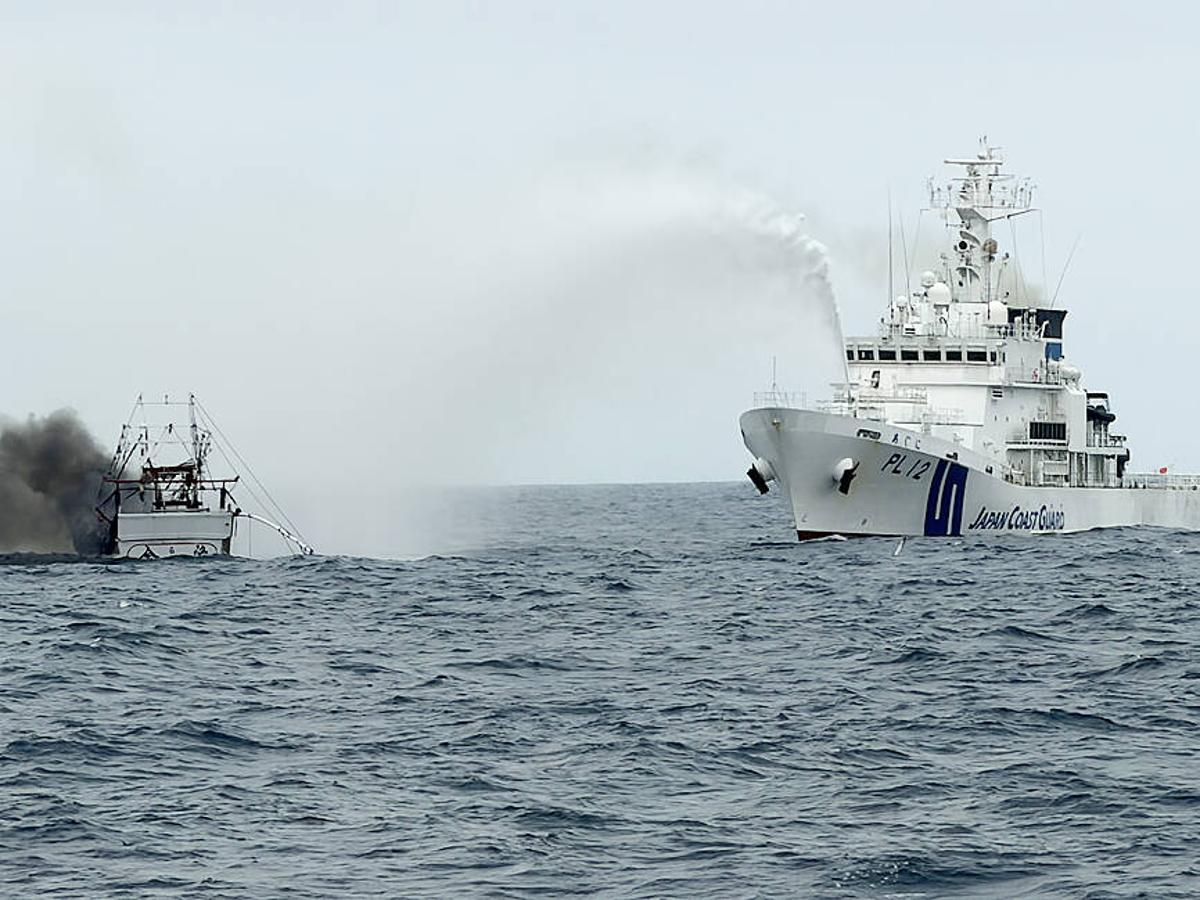
CGA Urges China Not to Use Shipwreck for Gain
Why It Matters
The episode underscores the fraught Taiwan‑China rivalry in contested waters and tests regional SAR cooperation, with implications for maritime security and diplomatic signaling.
Key Takeaways
- •Taiwan CGA says crew rescued by Taiwanese boat, not Chinese.
- •Incident occurred 77 nautical miles NE of Diaoyutai Islands, within Japan SAR.
- •China labeled vessel “Chinese Taiwan” and claimed rescue, sparking sovereignty dispute.
- •Search continues for missing captain; Taiwan coordinates rescue with Japan.
Pulse Analysis
The fire aboard the Taiwanese‑registered Chuan Yu No. 6 highlighted the practical challenges of search‑and‑rescue (SAR) operations in the East China Sea, a region where multiple jurisdictions overlap. The vessel sank roughly 77 nautical miles northeast of the Diaoyutai (Senkaku) Islands, an area officially covered by Japan’s SAR zone but claimed by both Beijing and Taipei. While a Taiwanese fishing boat promptly rescued six Filipino crew members, the incident quickly escalated into a diplomatic flashpoint when the China Coast Guard (CCG) announced it had conducted an "emergency rescue" and referred to the ship as a "Chinese Taiwan" vessel.
Beyond the immediate humanitarian concern, the episode reflects the broader strategic contest over maritime sovereignty. Taiwan’s Coast Guard Administration (CGA) rebuked Beijing’s narrative, accusing China of leveraging the shipwreck for political gain and “cognitive warfare.” By invoking the term "Chinese Taiwan," the CCG sought to reinforce its claim that the vessel fell under Chinese jurisdiction, a stance that directly challenges Taiwan’s de‑facto control of its fishing fleet. Japan’s involvement—dispatching patrol aircraft and vessels—further illustrates how SAR missions can become proxy arenas for asserting national interests in disputed waters.
The incident also serves as a reminder of the importance of adhering to internationally recognized SAR norms, which are designed to transcend political boundaries. Continued cooperation between Taiwan, Japan, and other regional actors is essential to maintain safety at sea and prevent escalation. As the CGA persists in its search for the missing captain, the episode may prompt renewed calls for clearer protocols and confidence‑building measures to ensure that humanitarian rescue efforts remain insulated from geopolitical rivalry.
CGA urges China not to use shipwreck for gain
Comments
Want to join the conversation?
Loading comments...