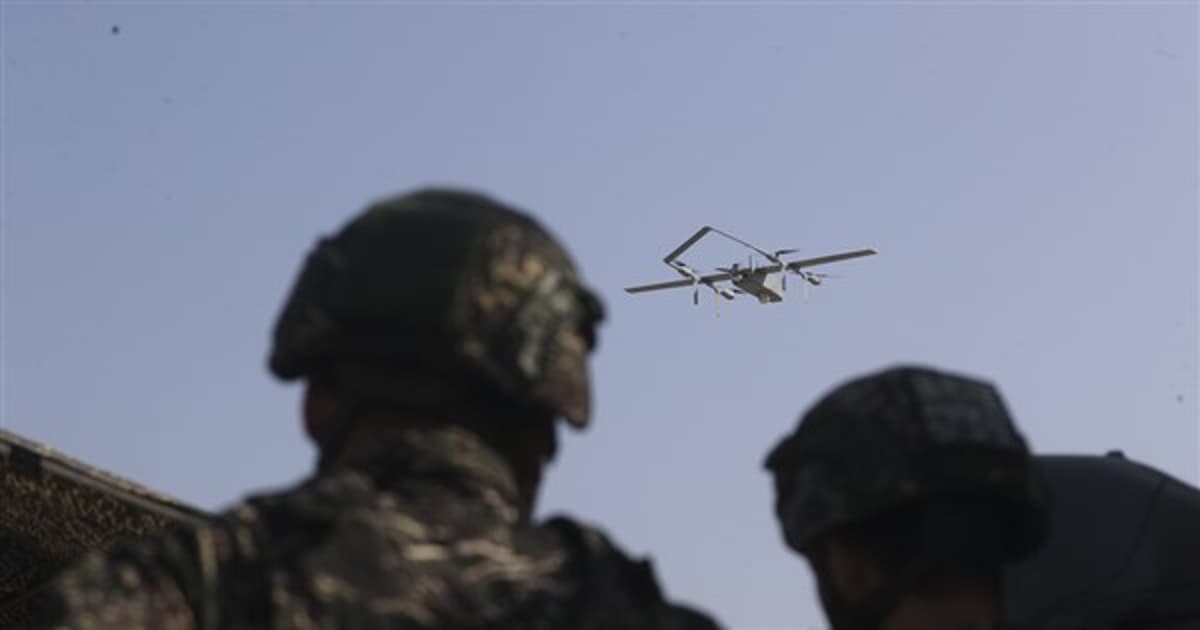
Cheap Drones, Costly Defenses: Middle East War Offers Warning for Taiwan
Companies Mentioned
Why It Matters
If China adopts mass drone attacks, Taiwan’s expensive missile defenses could be depleted rapidly, jeopardizing its ability to deter a cross‑strait invasion. The issue underscores a broader global challenge of cost‑effective counter‑UAV solutions for high‑tech militaries.
Key Takeaways
- •Iran launched ~1,500 missiles and 4,700 drones since war began.
- •U.S. PAC‑2/3 interceptors may run out by mid‑June.
- •Taiwan could face tens of thousands of cheap Chinese drones.
- •Patriot interceptors cost $1‑1.5 million each versus $20‑50 k drones.
- •Taiwan pursues mobile anti‑air guns and M‑SHORAD for UAV defense.
Pulse Analysis
The surge of inexpensive drones in the Middle East has forced the United States to burn through Patriot PAC‑2 and PAC‑3 missiles at a rate that could empty regional inventories by early summer. Each interceptor costs upwards of $1 million, while the drones they target are priced at a fraction of that, creating a financial strain that highlights a systemic vulnerability in high‑tech air‑defense architectures. This imbalance is not confined to the Gulf; it serves as a cautionary tale for any nation that relies on costly missile systems to protect critical assets.
For Taiwan, the stakes are even higher. China’s drone production capacity dwarfs Iran’s, and experts warn that an assault could involve tens of thousands of low‑cost UAVs designed to overwhelm the island’s layered defenses. Existing systems such as the indigenous Tien Kung II/III missiles and U.S.‑provided Patriots cost between $1 million and $1.5 million per round, making a prolonged drone barrage economically unsustainable. Consequently, Taiwanese strategists are pushing for cheaper, high‑volume solutions like 35 mm GDF‑006 cannons, upgraded 40 mm guns, and mobile short‑range air‑defense platforms that can engage swarms at close range.
The broader implication for defense planners worldwide is a shift toward integrated, multi‑layered counter‑UAV strategies that blend active and passive measures. Taiwan’s dual‑track approach—combining remote‑controlled drone interceptors, portable C‑UAS tech, decoys, smoke screens, and hardened shelters—mirrors lessons learned from the Russia‑Ukraine war. By investing in modular command‑and‑control systems such as M‑SHORAD and leveraging commercial off‑the‑shelf drone‑jamming solutions, militaries can create a more resilient shield against the growing threat of inexpensive, mass‑produced UAVs. This evolution reflects an urgent need to balance firepower with fiscal prudence in modern air defense.
Cheap drones, costly defenses: Middle East war offers warning for Taiwan
Comments
Want to join the conversation?
Loading comments...