Why It Matters
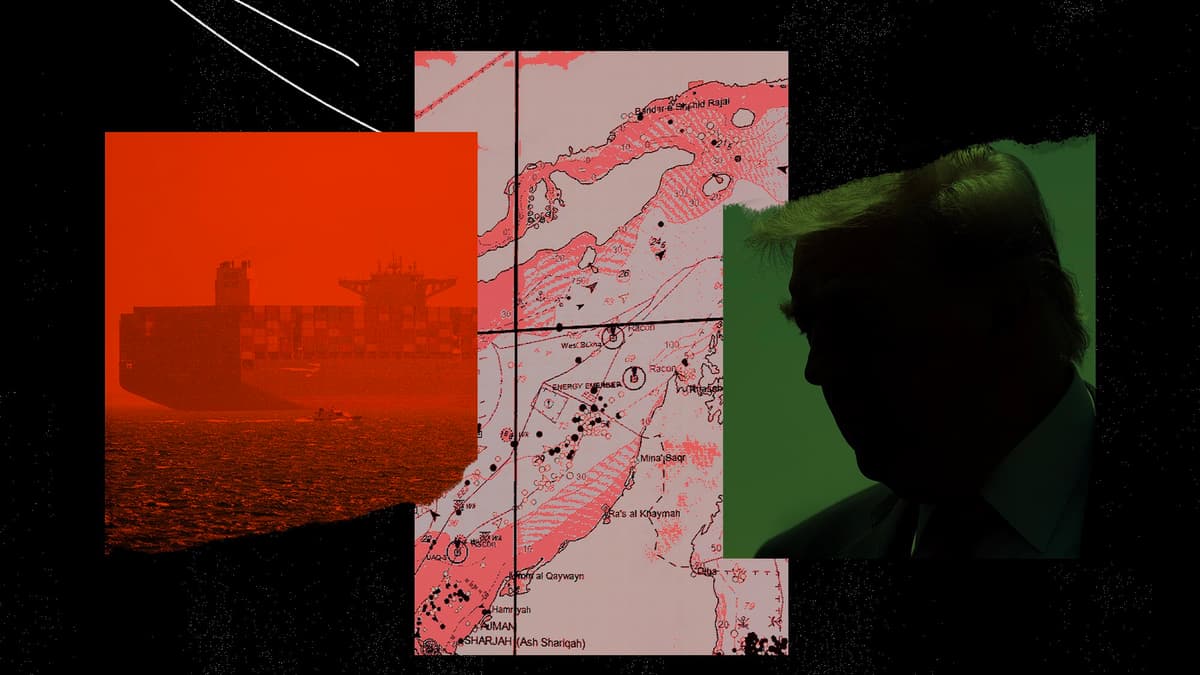
Control of the Hormuz Strait reshapes global energy flows and undermines U.S. deterrence, prompting a realignment of power among regional and great‑power actors.
Key Takeaways
- •Iran likely retains control of the Strait of Hormuz after cease‑fire
- •US naval presence in Gulf appears unable to guarantee free navigation
- •Iran can leverage strait control to extract tolls and political concessions
- •China and Russia’s regional influence strengthens as US credibility wanes
- •Global powers may accelerate naval buildup to protect energy routes
Pulse Analysis
The fallout from the brief but intense U.S.-Iran clash extends far beyond the battlefield. By retaining the Strait of Hormuz, Tehran gains a potent bargaining chip that can choke the flow of oil and gas to Europe, Asia and the United States. Even without a nuclear breakthrough, the ability to levy tolls or selectively restrict passage forces nations to negotiate on Tehran’s terms, eroding the decades‑long security umbrella the U.S. provided to Gulf allies. This new reality forces oil‑importing economies to reassess supply chains and consider alternative routes, driving price volatility and prompting policymakers to seek diplomatic accommodations with Iran.
American strategic posture in the Middle East is also under siege. The inability to reopen the strait or compel a decisive Iranian concession signals a weakening of U.S. naval dominance, a cornerstone of post‑World‑II global order. Allies such as Saudi Arabia and the United Arab Emirates now face a credibility gap, potentially prompting them to diversify security partnerships or invest in indigenous maritime capabilities. Meanwhile, China and Russia stand to benefit, offering diplomatic cover and economic incentives to Tehran, thereby expanding their influence in a region historically anchored by Washington.
The broader geopolitical implications could spark a new naval arms race. Nations dependent on Persian Gulf energy—Europe, Japan, South Korea—may accelerate shipbuilding programs to safeguard their own trade lanes, reducing reliance on U.S. escort forces. This shift could alter defense budgets, reshape alliance structures, and heighten tensions in contested waters worldwide. In sum, the Iranian victory, however limited, reverberates through energy markets, alliance dynamics, and the strategic calculus of great‑power competition.
Checkmate in Iran
Comments
Want to join the conversation?
Loading comments...