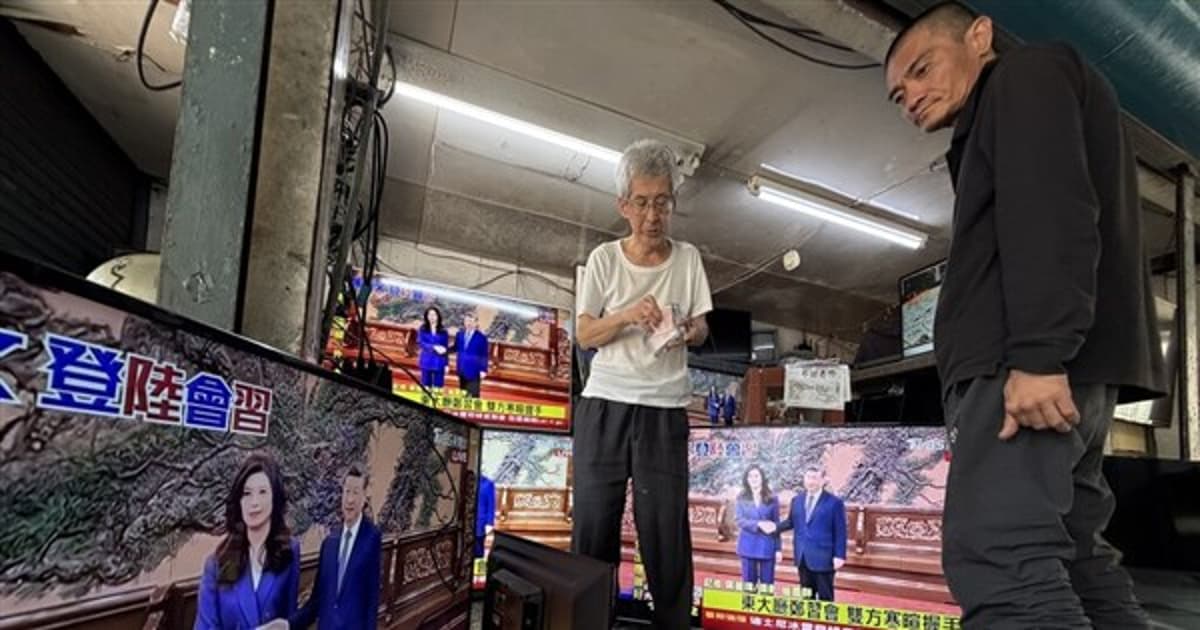
Cheng-Xi Meeting Seen as Beijing Signal to Trump on Taiwan: Scholars
Why It Matters
The dialogue may weaken the U.S. ability to use Taiwan as a bargaining chip, reshaping cross‑strait dynamics and influencing the upcoming Trump‑Xi negotiations.
Key Takeaways
- •Cheng Li-wun met Xi, signaling Beijing to Trump.
- •Meeting reaffirmed the 1992 consensus, opposing Taiwan independence.
- •Scholars say KMT alignment could curb U.S. Taiwan leverage.
- •Cheng appeared willing than past KMT leaders to echo Beijing.
- •No security concerns raised, implying tacit acceptance of Chinese pressure.
Pulse Analysis
The KMT’s historic embrace of the 1992 consensus has long served as a diplomatic bridge across the Taiwan Strait. By meeting President Xi Jinping in Beijing, Cheng Li‑wun reinforced that bridge, publicly reiterating opposition to formal independence and a shared “one China” framework, albeit with divergent interpretations. This overt alignment marks a departure from the party’s recent cautious stance and signals a willingness to act as Beijing’s political conduit within Taiwan’s multiparty system. Analysts note that such high‑level engagement can legitimize Beijing’s narrative while marginalizing pro‑independence voices.
For Washington, the timing is critical. President Trump’s postponed China trip, now slated for mid‑May, is expected to address trade, security, and the lingering Iran conflict. Scholars argue that Xi’s meeting with Cheng is a pre‑emptive move to blunt any U.S. attempt to weaponize Taiwan support during those talks. By showcasing a Taiwanese political faction that echoes Beijing’s positions, China hopes to dilute the “Taiwan card” that U.S. officials have traditionally used to extract concessions. If successful, the United States may face a narrower negotiating space on cross‑strait issues.
The broader strategic picture suggests a subtle shift in regional power dynamics. While the KMT does not control the island’s central government, its dominance in many local administrations gives it tangible influence over public sentiment and policy implementation. International observers caution that Beijing’s courting of opposition parties could deepen internal divisions in Taiwan, complicating its democratic resilience. At the same time, the absence of any security critique from Cheng may be read as tacit endorsement of China’s military posturing, raising concerns among allies about the island’s long‑term deterrence posture.
Cheng-Xi meeting seen as Beijing signal to Trump on Taiwan: Scholars
Comments
Want to join the conversation?
Loading comments...