China Bought Zero H200 Chips ‘as of Today’, Says Lutnick as He Cites ‘Delicate Balance’ with Xi
Companies Mentioned
Why It Matters
The dispute highlights the fragile intersection of U.S. economic diplomacy and security in the global AI chip race, influencing both policy and market dynamics.
Key Takeaways
- •Lutnick says China has purchased zero Nvidia H200 chips so far
- •H200 chips are six times more powerful than the prior H20
- •The administration approved H200 exports in January with a 25% export fee
- •Congress advanced bipartisan package of 15+ bills to tighten chip export oversight
- •Upcoming US‑China summit will emphasize trade in non‑sensitive goods
Pulse Analysis
The United States is walking a tightrope between maintaining strategic ties with China and safeguarding its technological edge. Advanced AI processors like Nvidia’s H200—six times more powerful than the previous H20—are at the heart of this tension. While the Trump administration green‑lit limited H200 exports in January, it imposed a 25% export fee and kept the next‑generation Blackwell architecture off‑limits, signaling a desire to preserve a generational gap in AI capability.
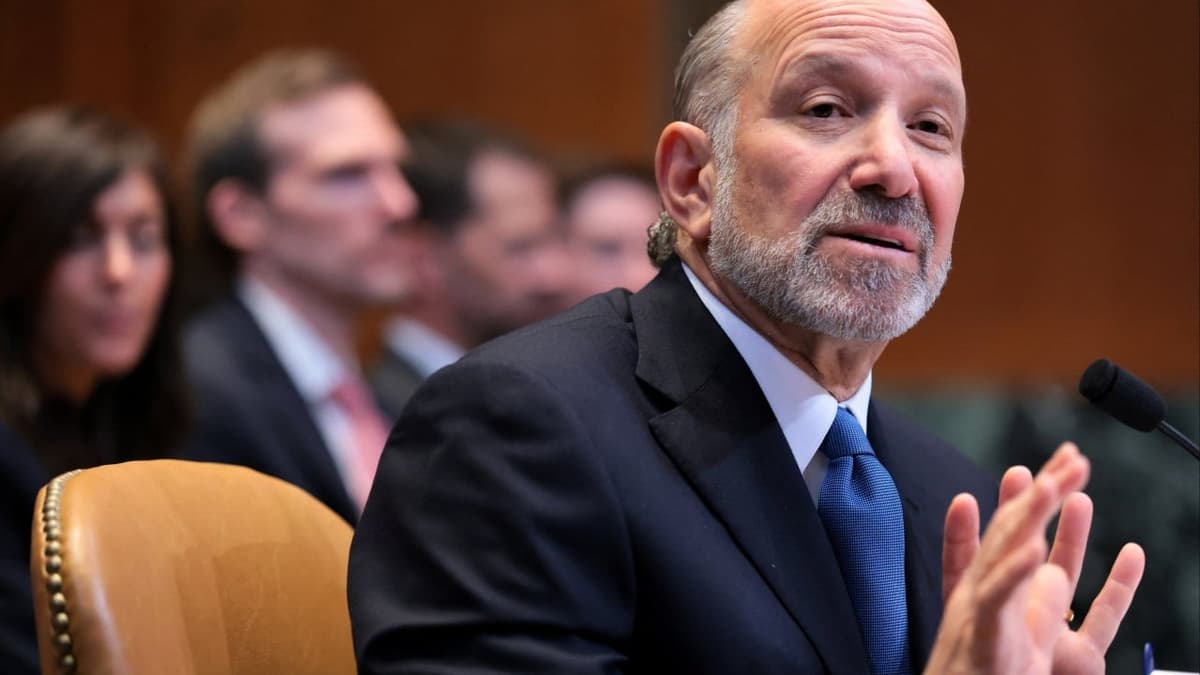
During a Senate Appropriations Committee hearing, Commerce Secretary Howard Lutnick asserted that China has not yet received any H200 chips, attributing the delay to Beijing’s own push for self‑sufficiency rather than U.S. restrictions. Lawmakers such as Rep. Gregory Meeks and Sen. Chris Coons challenged this claim, warning that even approved shipments could be diverted to the People’s Liberation Army. Their criticism spurred a bipartisan legislative push, with more than 15 bills—collectively known as the MATCH Act—aimed at tightening oversight of chip‑making tools and raising civil penalties for violations.
The policy debate will shape the agenda of the upcoming May 14‑15 summit between President Trump and President Xi. U.S. Trade Representative Katherine Tai indicated the talks will concentrate on "non‑sensitive" goods, attempting to separate broader trade from the contentious semiconductor sector. How the administration balances export controls with diplomatic outreach will affect global supply chains, U.S. chip manufacturers’ revenue forecasts, and China’s drive toward domestic AI leadership.
China bought zero H200 chips ‘as of today’, says Lutnick as he cites ‘delicate balance’ with Xi
Comments
Want to join the conversation?
Loading comments...