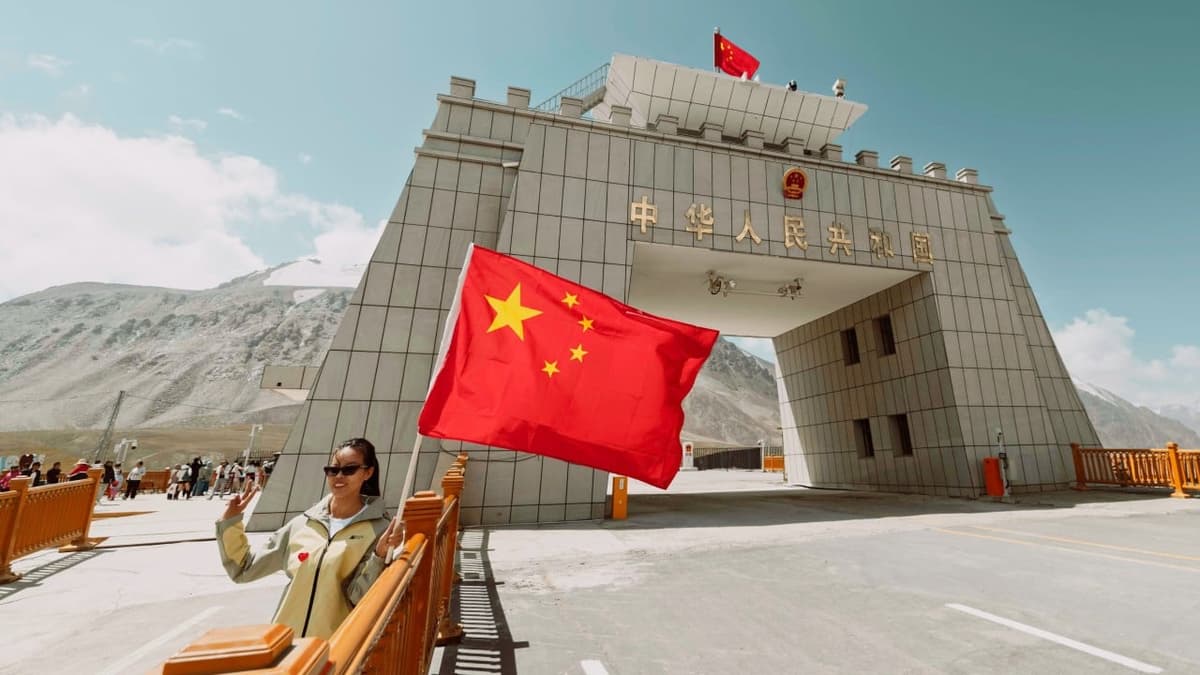
China Has Mapped Out a Third New County in Xinjiang. Why?
Why It Matters
By tightening administrative control on a volatile border corridor, Beijing bolsters both security and economic integration under the Belt and Road Initiative, while signaling heightened sensitivity to regional rivalries, especially with India and Afghanistan.
Key Takeaways
- •Cenling county created along G219 highway to tighten frontier security
- •County falls under Kashgar prefecture, key node of China‑Pakistan Economic Corridor
- •New administration aims to curb ethnic unrest and foreign militant infiltration
- •Third county since Dec 2024 forms belt enhancing Belt and Road connectivity
- •India protested earlier counties, highlighting rising Sino‑Indian border tensions
Pulse Analysis
The establishment of Cenling county reflects a broader Chinese strategy to solidify governance in its far‑western periphery. By carving a new county along the G219 highway, Beijing not only extends state services to remote townships but also embeds the China‑Pakistan Economic Corridor deeper into Xinjiang’s transport matrix. This administrative tweak dovetails with the 2026‑2030 five‑year plan, which prioritises infrastructure that stitches together the Silk Road Economic Belt with South Asian markets, thereby amplifying trade flows and regional development prospects.
Security considerations underpin the county’s creation, given its proximity to the Pakistan, Afghanistan and India borders and the narrow Wakhan Corridor. Analysts note that a tighter county‑level apparatus can better monitor cross‑border movements, disrupt potential pathways for Uygur or Afghan militants, and address longstanding ethnic tensions among Uygurs, Tajiks, Kyrgyz and Kazakhs. The move also serves as a pre‑emptive response to India’s objections to earlier county formations, underscoring Beijing’s resolve to assert sovereign control over contested frontier zones while managing international scrutiny over human‑rights practices.
Geopolitically, Cenling’s launch signals China’s intent to weave governance, security, and commerce into a single frontier framework. The county forms part of an administrative belt that enhances the Belt and Road’s logistical backbone, offering a more resilient route for goods heading to Central and South Asia. As regional powers vie for influence, the strengthened Chinese presence may recalibrate trade dynamics, compel neighboring states to reassess border policies, and shape the strategic calculus of the Indo‑Pacific theater in the coming decade.
China has mapped out a third new county in Xinjiang. Why?
Comments
Want to join the conversation?
Loading comments...