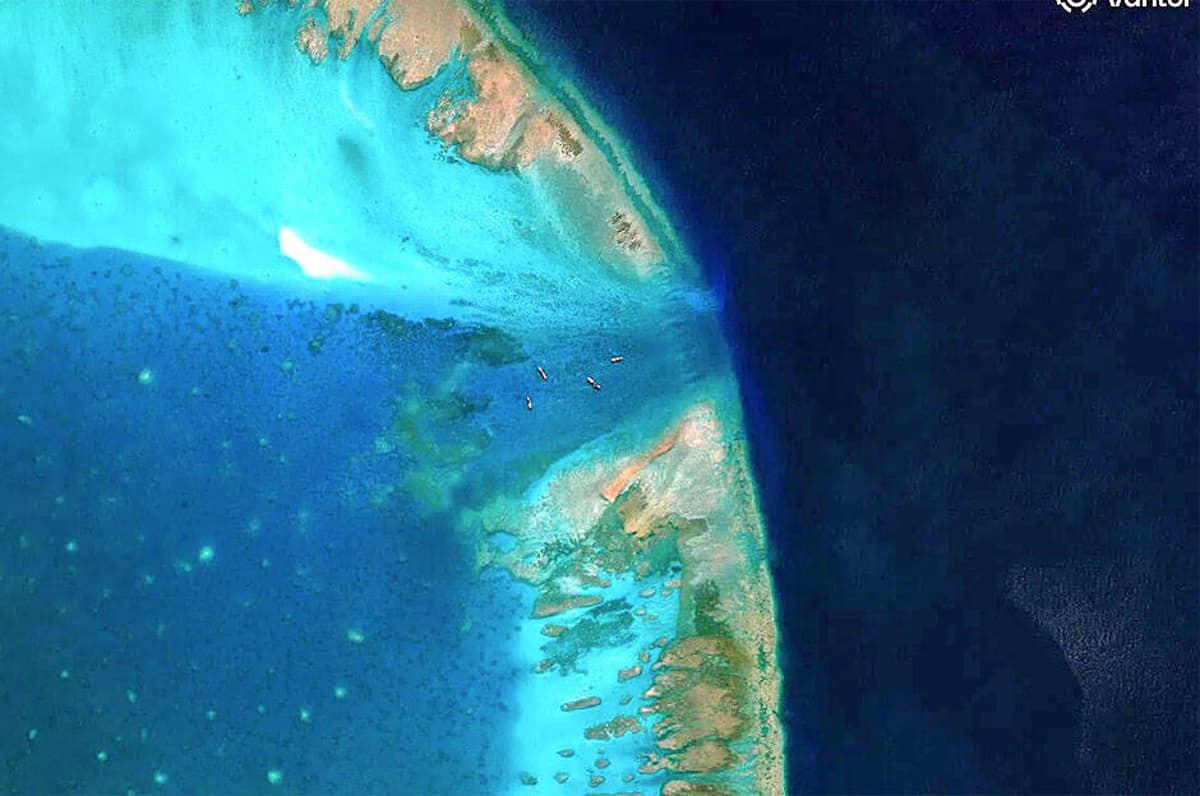
China Patrols Near Disputed South China Sea Waters
Why It Matters
The patrols and joint drills signal rising maritime tension that could destabilize a critical trade corridor and test the resilience of the US‑Philippines security partnership. They also illustrate how China’s assertiveness challenges the rules‑based order in a region vital to global commerce.
Key Takeaways
- •China conducted combat‑readiness patrols around Scarborough Shoal.
- •Philippine‑US naval drills included visit‑board‑search‑seizure operations.
- •Manila calls Chinese actions a “severe threat” despite US‑China thaw.
- •China’s coast guard cited law‑enforcement against “illegal rights‑violation” activities.
- •Tensions risk disrupting trade routes through the South China Sea.
Pulse Analysis
The South China Sea remains one of the world’s most strategically sensitive waterways, with over $5 trillion in annual trade passing through its lanes. China’s recent combat‑readiness patrols near Scarborough Shoal reinforce its claim over the atoll, a move that underscores Beijing’s broader strategy of asserting de‑facto control while framing actions as law‑enforcement. This approach complicates diplomatic efforts to manage overlapping claims and raises the risk of accidental confrontations among naval forces.
Washington’s partnership with Manila has deepened through the five‑day maritime exercise that incorporated visit‑board‑search‑seizure drills, a clear signal of interoperability and a commitment to a rules‑based maritime order. The joint drills serve multiple purposes: they enhance the Philippines’ maritime domain awareness, demonstrate US resolve in the region, and provide a counterweight to Chinese assertiveness. For regional allies, the exercise reassures that the United States remains engaged despite a broader easing of US‑China tensions after the recent summit.
Looking ahead, the interplay between Chinese patrols and allied naval activities could shape the security architecture of Southeast Asia. Persistent friction may prompt increased defense spending by regional states and could trigger more frequent freedom‑of‑navigation operations by the United States. Moreover, any escalation threatens the uninterrupted flow of goods, potentially inflating shipping costs and affecting global supply chains. Stakeholders will be watching closely to see whether diplomatic channels can mitigate the risk of a broader conflict while preserving the economic lifeline that the South China Sea provides.
China patrols near disputed South China Sea waters
Comments
Want to join the conversation?
Loading comments...