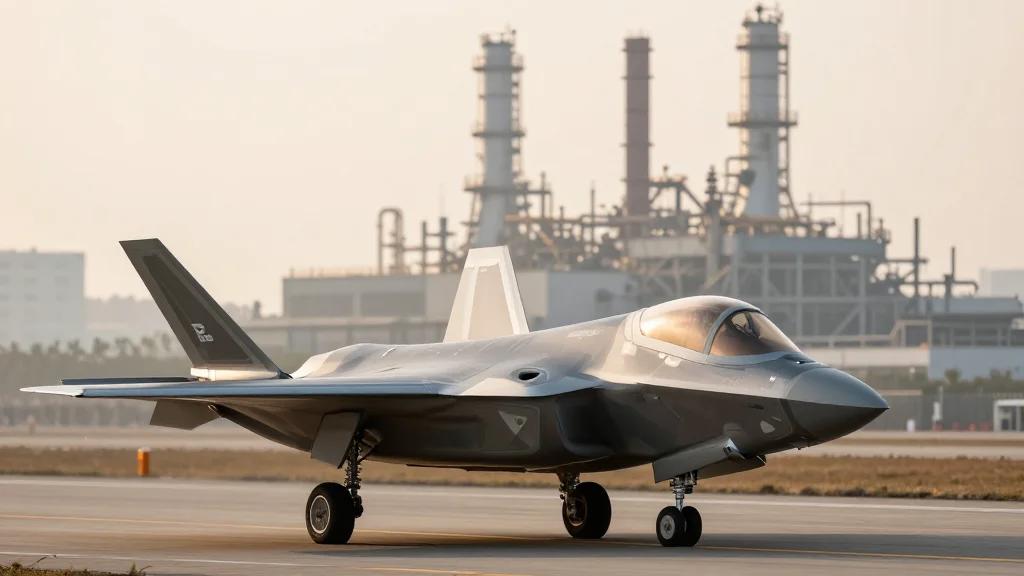
Why It Matters
The doctrine expands China’s strategic depth, raising the stakes of U.S.–China competition and forcing policymakers to reassess security, supply‑chain, and technology risks. It signals Beijing’s readiness to leverage civilian assets in any future conflict, complicating traditional defense planning.
Key Takeaways
- •Total war concept links civilian sectors to military capabilities
- •Policy embedded in China's 2021‑2025 National Security Strategy
- •Goal: neutralize United States as the 'strong enemy'
- •PLA strategic guidelines updated in 2024 to reflect total war
- •National mobilization aims for long‑term competition, not just war
Pulse Analysis
China’s "total war" doctrine marks a strategic evolution from isolated military modernization to a whole‑society approach. By integrating civilian research, manufacturing, and logistics under the Integrated National Strategic System and Capabilities (INSS&C), the CCP aims to transform economic strength into direct combat power. This shift, codified in the 2021‑2025 National Security Strategy and reinforced by the 2024 PLA guidelines, reflects a belief that future conflicts will be won not just on battlefields but through sustained national mobilization.
For the United States and its allies, the doctrine raises the specter of a more resilient adversary capable of blurring the line between peace and war. Civilian firms could become legitimate targets, and supply‑chain vulnerabilities—especially in semiconductors, rare earths, and AI technologies—may be exploited as strategic levers. The emphasis on long‑term competition suggests Beijing will invest heavily in dual‑use research, cyber‑capabilities, and logistical networks designed to outlast conventional deterrence measures.
Policymakers must therefore broaden their risk assessments beyond traditional military metrics. Strengthening allied industrial bases, diversifying critical supply chains, and investing in resilient infrastructure become essential countermeasures. Enhanced intelligence sharing on dual‑use projects and tighter export controls on emerging technologies can help mitigate the diffusion of civilian assets into China’s warfighting portfolio. Ultimately, recognizing the total war paradigm is crucial for crafting a comprehensive U.S. strategy that addresses both kinetic and non‑kinetic dimensions of future great‑power rivalry.
China Plans for 'Total War'
Comments
Want to join the conversation?
Loading comments...