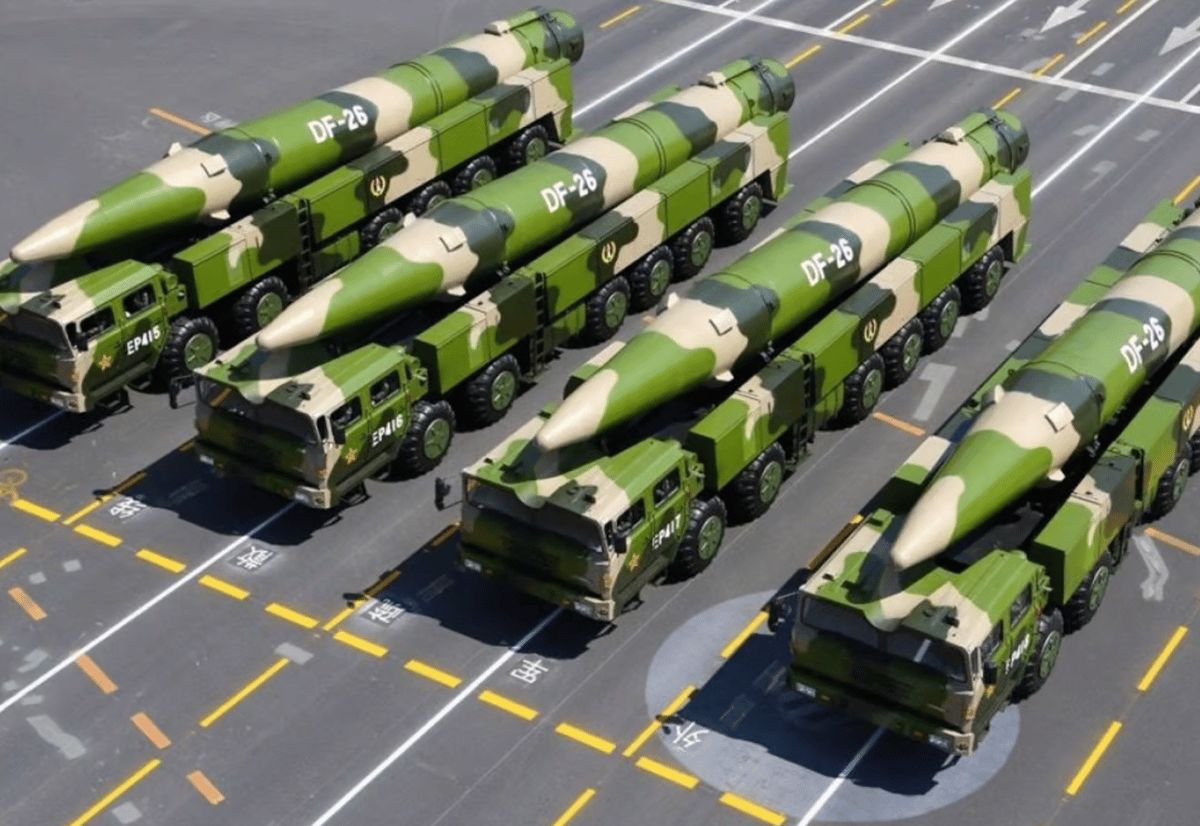
China Ramps up Missile Buildup for a Taiwan War
Why It Matters
The buildup reshapes the Indo‑Pacific balance, giving China a decisive edge in high‑intensity missile warfare and exposing U.S. industrial shortfalls that could limit deterrence and response options in a Taiwan conflict.
Key Takeaways
- •81 listed firms supplied missile components, double 2013 count
- •Combined sales of missile suppliers hit $28 billion, up 20%
- •PLARF missile stockpile grew ~50% to 3,500 missiles since 2020
- •China expanded 60% of missile facilities, adding 21 million sq ft
- •US missile production lags, taking 3‑4 years to replenish key systems
Pulse Analysis
China’s missile surge reflects a broader strategy of military‑civil fusion, leveraging civilian high‑tech firms to flood the People’s Liberation Army Rocket Force with advanced cruise and ballistic missiles. By converting dual‑use industries and deploying smart‑factory automation, Beijing can scale output five to six times faster than U.S. counterparts, allowing rapid replenishment of stockpiles during a protracted conflict. This industrial agility not only expands China’s strike reach to targets like Guam but also underpins a deterrent posture aimed at Taiwan and the wider Indo‑Pacific region.
U.S. defense planners are confronting a stark capability gap. Recent CSIS analyses highlight that key American missile systems—SM‑3 interceptors, THAAD, Tomahawk cruise missiles, and JASSMs—require three to four years to replace, a timeline that could prove untenable if China launches thousands of strikes daily. The Heritage Foundation estimates China could boost munition output by 150%‑250% within six to eight months, outpacing U.S. industrial readiness and threatening to overwhelm allied air defenses and logistics.
The strategic implication is clear: sustaining high‑intensity missile warfare will hinge on production speed and supply‑chain resilience as much as on battlefield tactics. U.S. policymakers are therefore urging multiyear procurement contracts, expanded supplier bases, and co‑production agreements with allies to compress lead times and diversify sources. By aligning procurement signals with industrial capacity, the United States can narrow the disparity and preserve a credible deterrent in the face of China’s rapidly expanding missile arsenal.
China ramps up missile buildup for a Taiwan war
Comments
Want to join the conversation?
Loading comments...