China’s Drone-Laid Mines Aim to Trap US in a Taiwan War
Why It Matters
The capability reshapes the calculus of a Taiwan blockade, turning maritime access into a strategic choke point that could force costly U.S. and allied interventions. It also exposes a critical gap in U.S. mine‑countermeasure readiness, potentially limiting freedom of navigation in the Indo‑Pacific.
Key Takeaways
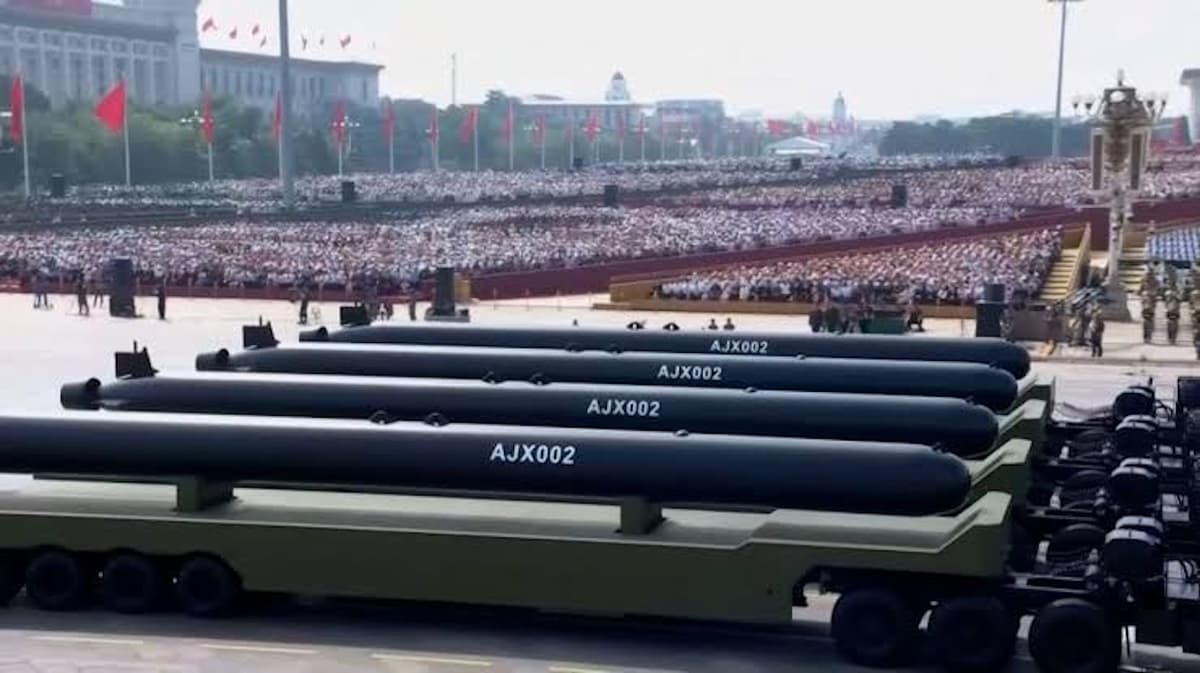
- •AJX002 XLUUV carries 20 mines, 1,000‑nm range, autonomous operation
- •Drones target First Island Chain corridors, not just Taiwan’s immediate waters
- •Minefields could trap US/Japan vessels, forcing costly clearance operations
- •US Littoral Combat Ships lack proven mine‑countermeasure capability
- •Persistent mines enable China’s gray‑zone pressure without open conflict
Pulse Analysis
China’s unveiling of the AJX002 extra‑large unmanned underwater vehicle marks a significant evolution in maritime warfare. Unlike traditional minelayers, the XLUUV operates autonomously, stealthily deploying up to 20 mines across a 1,000‑nautical‑mile radius. By focusing on the First Island Chain—key shipping lanes that link Japan, the Philippines and Taiwan—Beijing can disrupt supply routes without directly confronting Taiwan’s coast. This approach dovetails with its broader gray‑zone strategy, blending covert mine deployment with overt military signaling to create a persistent, low‑visibility barrier that complicates any external intervention.
For regional navies, the implications are profound. A dense field of Chinese‑laid mines could immobilize U.S. carrier strike groups and Japanese Maritime Self‑Defense Force vessels, forcing them into costly clearance operations or deterring passage altogether. The United States’ own mine‑countermeasure (MCM) capability is under strain; Littoral Combat Ships, slated to replace the aging Avenger‑class MCM fleet, have yet to demonstrate reliable operational performance. This capability gap could limit rapid response in a crisis, giving China a strategic lever that extends beyond kinetic force and into the realm of escalation management.
Strategically, the deployment of autonomous minelaying drones underscores a shift from high‑intensity conflict to sustained, coercive pressure. By embedding mines in critical chokepoints, China can shape escalation dynamics, forcing potential adversaries to weigh the economic and human costs of breaching a mined corridor. Countering this threat will likely require a coordinated coalition effort, integrating dedicated MCM vessels, advanced detection technologies, and robust rules‑of‑engagement. As the Indo‑Pacific balances on the edge of a potential Taiwan confrontation, the ability to keep sea lanes open may become the decisive factor in any future conflict.
China’s drone-laid mines aim to trap US in a Taiwan war
Comments
Want to join the conversation?
Loading comments...