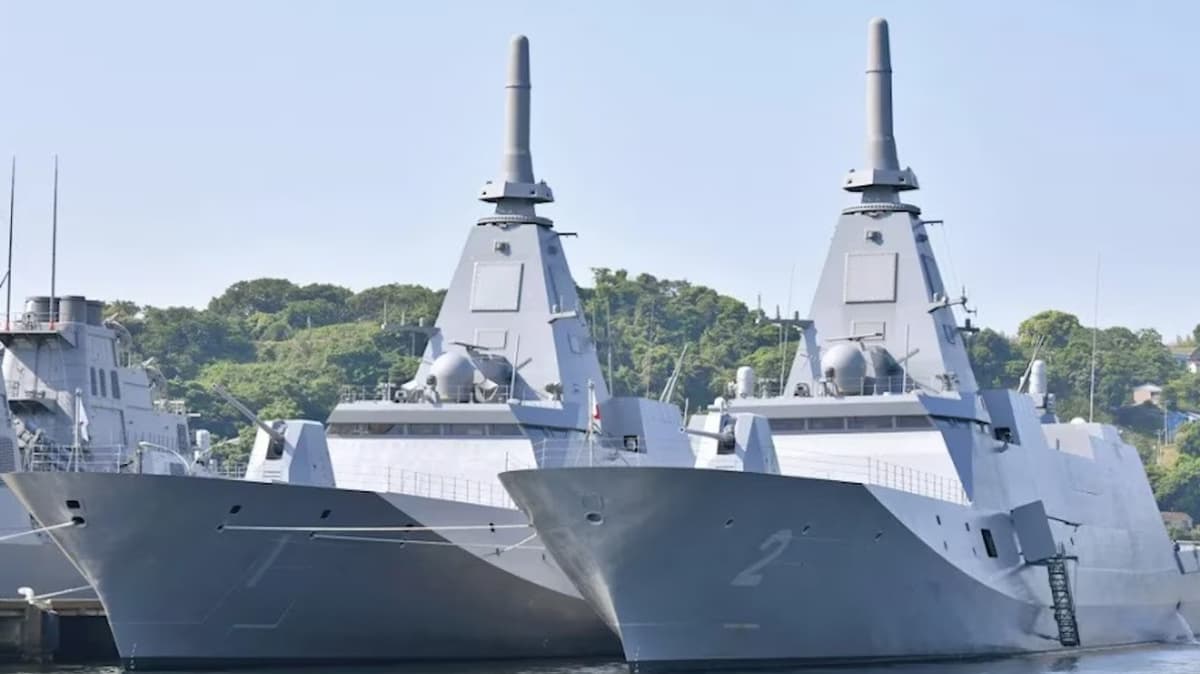
China’s Rising Threat Looms over Japan-Australia Frigate Deal
Companies Mentioned
Why It Matters
The frigate program strengthens Japan‑Australia defence interoperability while highlighting growing doubts about U.S. strategic focus in the Indo‑Pacific, reshaping regional security dynamics.
Key Takeaways
- •Australia to receive three Japanese-built frigates by 2029
- •Deal totals A$10 billion (≈US$6.8 billion) for 11 warships
- •Japan's biggest arms export since 2014, boosting its defense industry
- •Frigates aim to counter China's naval reach in the Indo‑Pacific
- •US strategic doubts spur Japan‑Australia minilateral security cooperation
Pulse Analysis
The A$10 billion frigate contract represents a watershed moment for Japan’s defense industry, which has been rebuilding its export capabilities since the 2014 policy shift. By committing to build three ships at Mitsubishi Heavy Industries and eight more in Western Australia, Japan not only secures a lucrative market but also embeds its technology within the Royal Australian Navy’s future fleet. This partnership deepens industrial ties, creates a shared supply chain, and ensures a 40‑year service life that will require joint maintenance and spare‑parts production, cementing long‑term cooperation beyond a single procurement cycle.
Strategically, the deal is a direct response to China’s expanding maritime footprint, exemplified by the 2025 Type 055 destroyer task force that operated near Sydney. The new frigates, equipped for anti‑submarine warfare, surface strikes and air defence, are designed to protect vital sea lanes and the northern approaches that both nations deem essential for trade and security. With the United States perceived as distracted by Middle‑East commitments, Japan and Australia are forging a minilateral framework that enhances interoperability, reduces duplication of effort, and signals a collective deterrence posture without abandoning the broader U.S. alliance.
China is likely to view the Japan‑Australia frigate program as a containment effort, potentially responding with economic coercion, cyber attacks, and intensified naval patrols near Australian waters. Such pressure tests the resilience of both economies, which remain heavily linked to Chinese trade. The durability of this emerging security alignment will therefore depend on sustained political will, robust industrial capacity, and the ability to absorb coercive measures while maintaining a credible defence posture in the face of an assertive China.
China’s rising threat looms over Japan-Australia frigate deal
Comments
Want to join the conversation?
Loading comments...