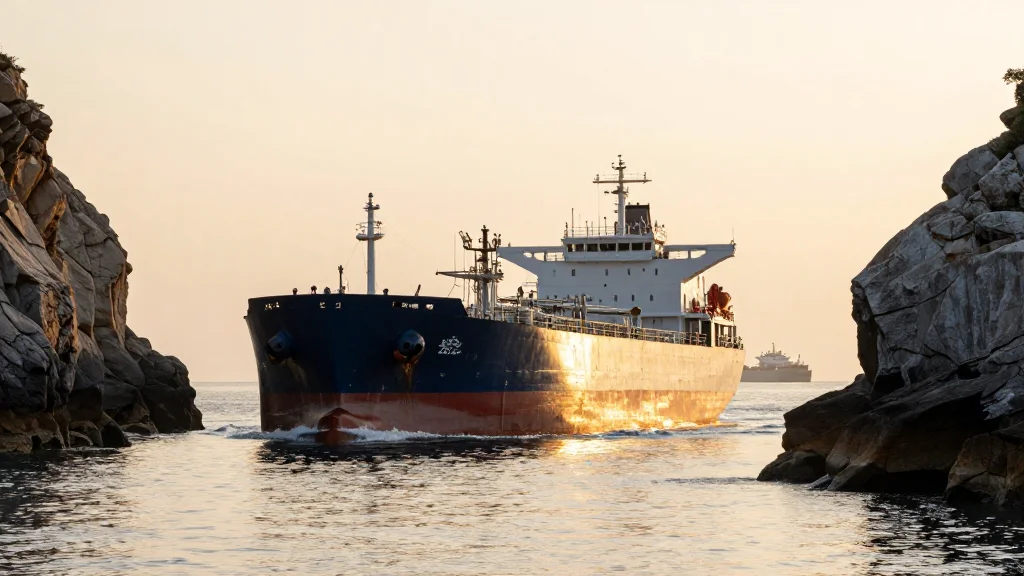
China's Xi, in Call with Saudi Crown Prince, Calls for Strait of Hormuz to Remain Open
Why It Matters
Keeping the Hormuz waterway open safeguards global oil flows and curtails escalation between the U.S. and Iran. China’s stance highlights its growing role as a diplomatic broker and its economic stake in Middle‑East energy supplies.
Key Takeaways
- •Xi urges Saudi to keep Hormuz open amid US‑Iran tensions
- •China, top buyer of Iranian oil, pushes for cease‑fire stability
- •US seizure of Iranian cargo ship threatens regional shipping security
- •Beijing positions itself as diplomatic mediator in Middle East conflicts
Pulse Analysis
The Strait of Hormuz, a chokepoint through which roughly a fifth of the world’s oil transits, has re‑emerged as a flashpoint after the United States intercepted an Iranian cargo ship. The seizure has rattled the fragile cease‑fire brokered earlier this year, prompting concerns that commercial vessels could face heightened inspections or outright closures. Shipping firms and energy traders are closely monitoring diplomatic signals, as any disruption would reverberate through global fuel prices and supply chains.
China’s intervention reflects both strategic and economic calculations. As the largest importer of Iranian crude, Beijing stands to lose millions of barrels if the waterway is blocked. By publicly urging the Hormuz passage remain open and calling for an immediate cease‑fire, Xi positions China as a stabilizing force, counterbalancing U.S. military pressure in the region. This diplomatic overture also aligns with Beijing’s broader narrative of promoting political solutions over force, reinforcing its image as a responsible great power.
The implications for global markets are significant. An uninterrupted Hormuz flow supports steady oil prices, which in turn underpins economic growth in energy‑dependent economies. Moreover, China’s active mediation could reshape the geopolitical calculus, encouraging other regional actors to seek multilateral dialogue rather than unilateral actions. If Beijing’s push succeeds, it may set a precedent for future conflict resolution in the Middle East, while also granting China greater leverage in shaping the post‑war order.
China's Xi, in call with Saudi crown prince, calls for Strait of Hormuz to remain open
Comments
Want to join the conversation?
Loading comments...