Chinese Drone Discovery Sharpens Focus on Asia’s Undersea Security Race
Why It Matters
Underwater drones enable strategic mapping and intelligence gathering that can shift naval power balances, making regional counter‑measures essential for security and economic stability. The race to dominate undersea surveillance will shape defense spending and alliances across South and Southeast Asia.
Key Takeaways
- •Chinese drone found near Lombok Strait highlights undersea espionage
- •India expands acoustic sensors, UAVs, and indigenous UUVs to counter threats
- •Southeast Asian nations lag in deep‑sea monitoring, rely on external partners
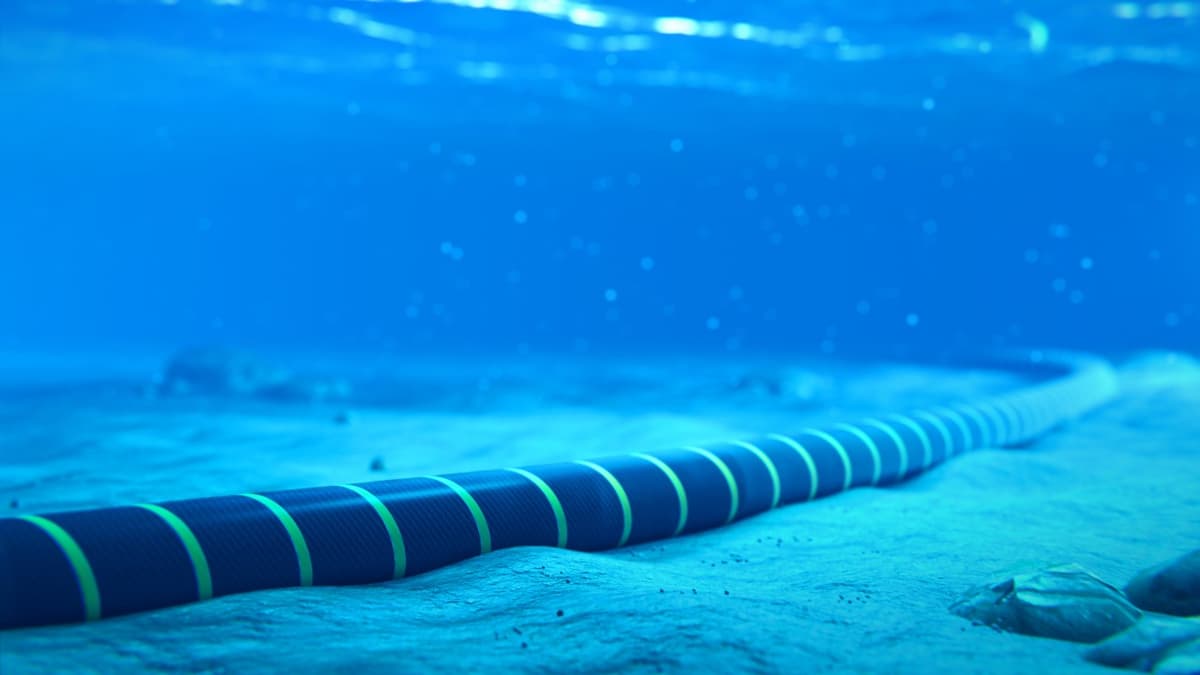
- •Seabed mapping supports submarine warfare and undersea cable protection
- •War with Iran drives heightened chokepoint surveillance across oceans
Pulse Analysis
The recovery of a suspected Chinese underwater drone off Indonesia’s Lombok Strait has sharpened global attention on a covert undersea surveillance competition that has been simmering for years. The device, resembling a torpedo, could be used to chart the ocean floor, track naval movements and locate undersea cables—capabilities that give any navy a strategic edge. With the Lombok Strait serving as one of the few deep‑water passages for submarines between the Pacific and Indian Oceans, its monitoring is a priority for the United States, Australia and regional allies, especially as the Iran‑related disruption of the Hormuz chokepoint underscores the value of real‑time seabed intelligence.
In response, India has embarked on a multi‑layered upgrade of its undersea detection architecture. The country now fields extensive acoustic sensor arrays, quantum‑enhanced deep‑sea sensing, and a fleet of aerial anti‑submarine platforms such as the P‑8I Poseidon and MQ‑9B SeaGuardian. Indigenous programs like the Jalkapi unmanned submarine, the high‑endurance Adamya UUV, and the mine‑countermeasure Vamana illustrate a shift toward self‑reliance while leveraging partnerships with the United States and Australia. Neighboring nations—Indonesia, the Philippines, Singapore and Vietnam—are also investing in autonomous drones and undersea cable protection, though many still depend heavily on external technology and funding.
The broader implication is a re‑ordering of maritime security dynamics in the Indo‑Pacific. As China continues to amass a library of deep‑sea imagery, it gains the ability to refine submarine tactics and threaten critical infrastructure. Counter‑UUV capabilities, however, remain uneven across the region, constrained by budgetary limits and technology gaps. This disparity is likely to drive deeper security collaborations, such as the AUKUS pact and bilateral Indo‑US initiatives, while prompting nations to prioritize undersea sensor networks and autonomous platforms. The race to dominate the hidden domain beneath the waves will increasingly dictate naval procurement, alliance structures, and the resilience of global supply chains tied to undersea cables.
Chinese drone discovery sharpens focus on Asia’s undersea security race
Comments
Want to join the conversation?
Loading comments...