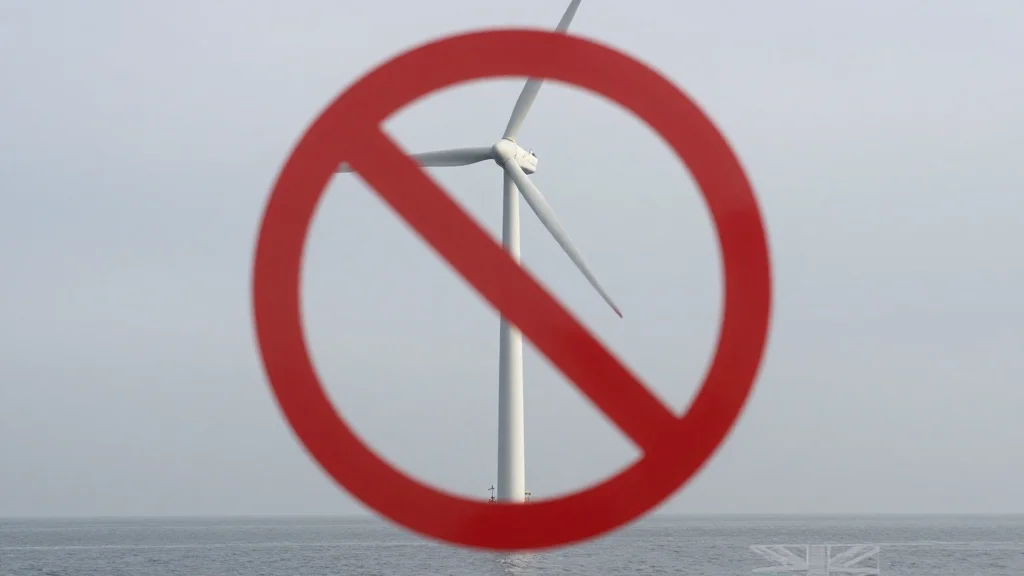
Chinese Government Says UK Mingyang Decision Will Damage Relations
Why It Matters
Excluding Mingyang threatens a major renewable‑energy investment and escalates trade tensions between two key economies, potentially reshaping the offshore‑wind supply chain.
Key Takeaways
- •UK bars Mingyang turbines over national security concerns.
- •£1.5bn (≈$2bn) Scottish factory plan now uncertain.
- •China warns decision will harm bilateral trade relations.
- •Experts cite risks of Chinese hardware in critical infrastructure.
- •Scottish government criticises delayed decision and wind target impact.
Pulse Analysis
The United Kingdom’s recent ban on Mingyang wind‑turbine components underscores a tightening security lens on foreign technology in critical energy projects. While the UK aims to double offshore wind capacity by 2030, officials argue that Chinese hardware could expose the grid to espionage or sabotage, prompting a precautionary stance. The decision directly stalls Mingyang’s £1.5 bn (≈$2 bn) integrated factory in Scotland, a project that was slated to supply both domestic turbines and export‑ready units, potentially slowing the nation’s renewable‑energy rollout.
Beijing’s Ministry of Commerce responded sharply, warning that the move contravenes the UK’s historic commitment to open markets and will erode practical bilateral trade cooperation. The diplomatic friction arrives amid a broader Western push to limit Chinese involvement in strategic sectors, echoing similar restrictions in telecommunications and AI. For the offshore‑wind market, the ban may accelerate a shift toward European and American manufacturers such as Vestas and GE, reshaping supply‑chain dynamics and influencing future investment decisions across the sector.
Investors and policymakers should monitor how this dispute influences the regulatory environment for foreign‑origin clean‑energy assets. The loss of a major Chinese supplier could drive up component costs and delay project timelines, but it also opens opportunities for domestic firms to capture market share. Moreover, the episode signals that national‑security considerations will increasingly intersect with climate‑policy goals, prompting a reassessment of risk‑management frameworks for cross‑border renewable‑energy collaborations.
Chinese government says UK Mingyang decision will damage relations
Comments
Want to join the conversation?
Loading comments...