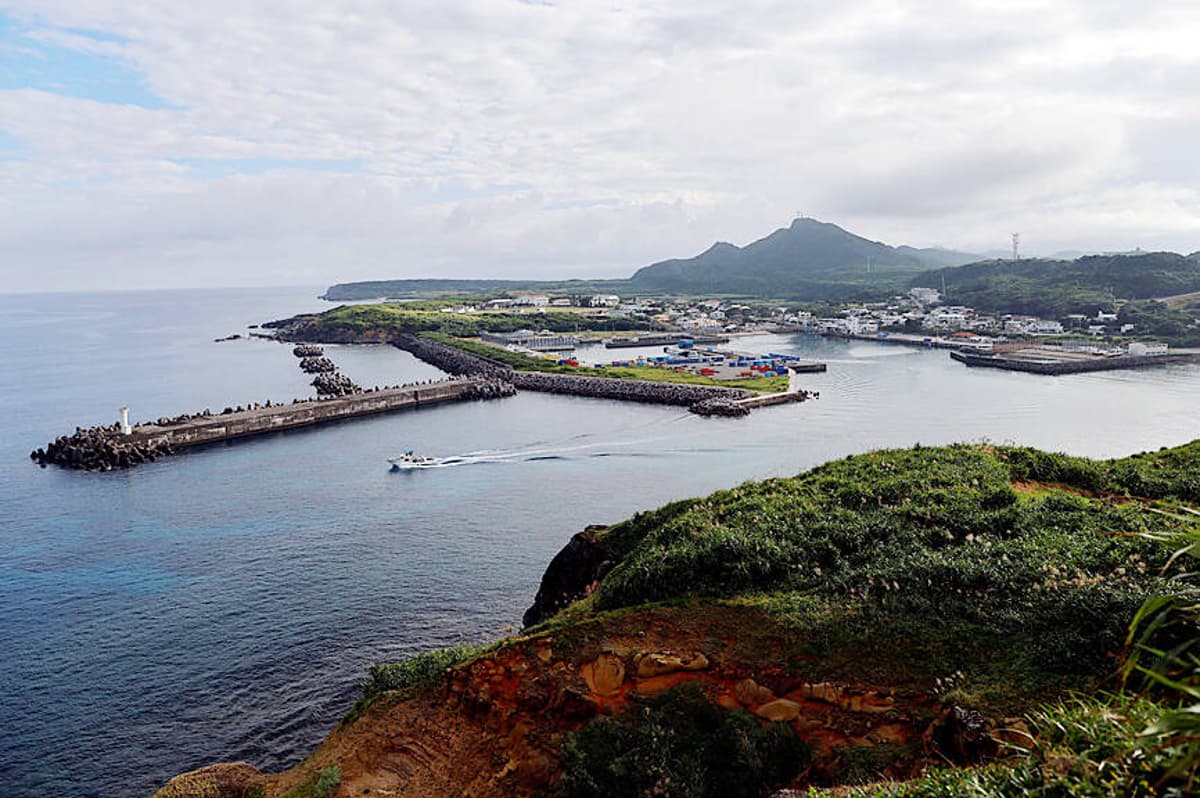
Chinese PLA Navy Brushes Past Two Okinawa Islands
Why It Matters
The transit tests Japan’s enforcement of its maritime boundaries and signals China’s willingness to operate near Taiwan‑adjacent waters, raising the risk of naval confrontations in a strategically vital region.
Key Takeaways
- •PLA destroyer transited Yonaguni‑Iriomote Waterway after western Pacific drills
- •Japan can intervene if foreign ships enter its 12‑nautical‑mile territorial sea
- •Transit follows Japanese destroyer passage through Taiwan Strait, labeled provocation
- •Prior carrier Liaoning transit in 2024 heightened Okinawa tensions
- •China opposes Japan's planned medium‑range missile site on Yonaguni
Pulse Analysis
The Yonaguni‑Iriomote Waterway, a 65‑kilometre strait between Japan’s southernmost Okinawa islands, sits just 110 km from Taiwan’s eastern coast. While international law permits innocent passage for non‑Japanese vessels, Japan asserts a 12‑nautical‑mile territorial sea where it can intervene. China’s decision to navigate the channel after a far‑seas training exercise highlights its growing confidence in operating close to contested waters, testing the limits of Japan’s maritime sovereignty and the broader norms governing freedom of navigation in the East China Sea.
Recent months have seen a sharp uptick in naval posturing by both sides. A Japanese destroyer’s transit through the Taiwan Strait was condemned by Beijing as a “deliberate provocation,” prompting a swift diplomatic rebuke. Earlier, in September 2024, the PLA carrier Liaoning slipped through the same Okinawan waterway, sparking protests in Tokyo. Simultaneously, Japan announced plans to station a medium‑range surface‑to‑air missile unit on Yonaguni, a move Beijing labeled “extremely dangerous.” These actions form a pattern of reciprocal signaling that raises the probability of miscalculation, especially as both navies increase patrols in overlapping zones.
The strategic stakes extend beyond bilateral tension. The United States, a security guarantor for Japan, monitors these developments closely, fearing that any clash could draw in allied forces and destabilize supply routes critical to regional trade. Analysts suggest that continued Chinese incursions may compel Japan to bolster its maritime defense capabilities, potentially accelerating procurement of advanced anti‑ship missiles and expanding its coast guard presence. For businesses operating in the Indo‑Pacific, heightened naval risk could affect shipping insurance premiums and supply‑chain resilience, making diplomatic outcomes in the coming months a key factor for risk assessments.
Chinese PLA Navy brushes past two Okinawa islands
Comments
Want to join the conversation?
Loading comments...