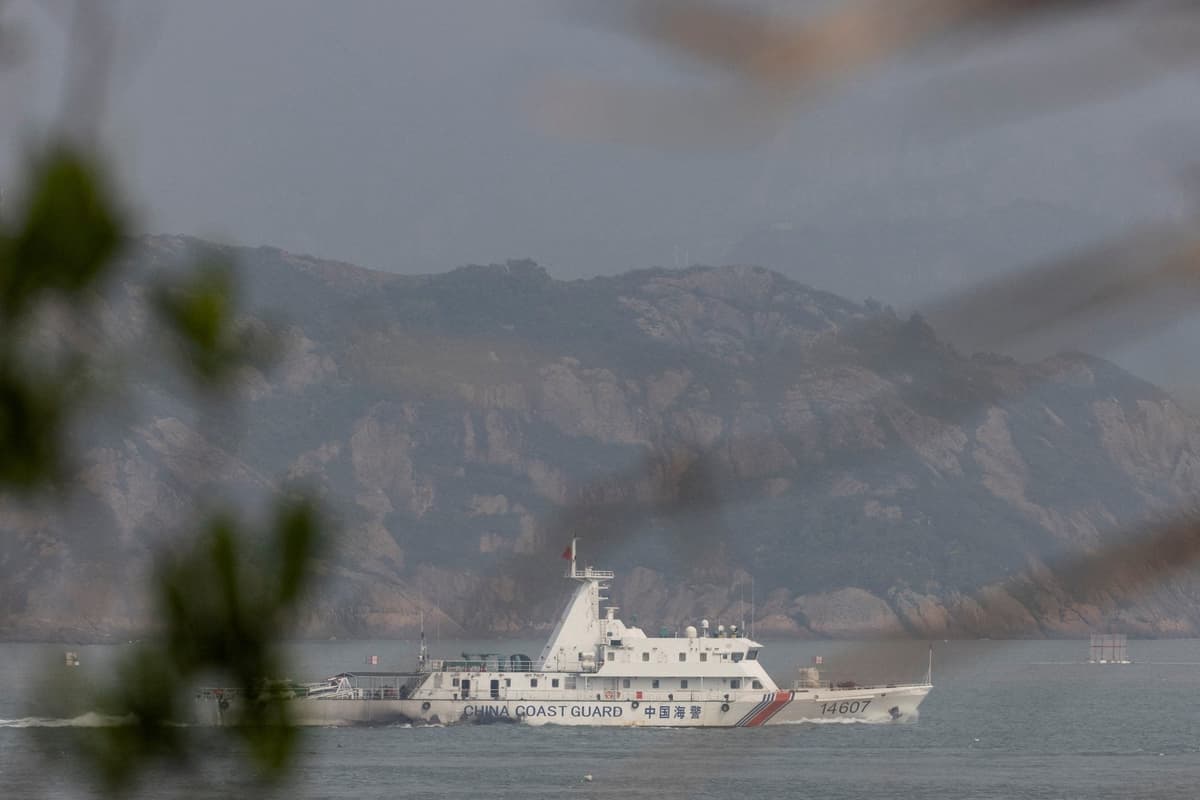
Chinese Ship Leaves After Tense Standoff Near Taiwan-Controlled Islands
Why It Matters
The incident highlights Beijing’s escalating maritime pressure on Taiwan’s outlying territories, raising the risk of accidental conflict and drawing heightened attention from regional allies, especially the United States. It underscores the strategic vulnerability of remote islands that serve as early warning points in cross‑strait security dynamics.
Key Takeaways
- •Chinese coast guard entered Pratas waters, left after radio confrontation
- •Taiwan’s coast guard broadcasted democratic appeal, maintaining peace stance
- •Pratas Islands lie 400 km from Taiwan, lightly defended
- •Taiwan reports ~100 Chinese ships operating in first island chain
- •Recent Chinese drone and research vessel incidents raise tension
Pulse Analysis
The Pratas Islands, an atoll administered by Taiwan and situated roughly 400 km south‑west of the main island, sit at the edge of the contested South China Sea. Their remote location makes them a strategic outpost for monitoring maritime traffic, yet they are defended primarily by Taiwan’s coast guard rather than its military. This limited defensive posture has turned the Pratas into a symbolic target for Beijing, which routinely asserts sovereignty over the waters surrounding the atoll.
In recent months, Chinese maritime activity around the Pratas has intensified. Besides the coast guard ship that sparked the latest radio duel, a Chinese research vessel and a reconnaissance drone have also entered the vicinity, signaling a broader pattern of assertive behavior. Taiwan’s National Security Council estimates that about 100 Chinese vessels now patrol the first island chain—a line stretching from Japan through Taiwan to the Philippines—underscoring Beijing’s ambition to dominate the surrounding sea lanes. These moves are closely watched by Washington, which has pledged to support Taiwan’s self‑defense and views freedom of navigation in the region as a cornerstone of its Indo‑Pacific strategy.
The growing frequency of such encounters raises the specter of miscalculation. While both sides have so far limited their actions to verbal warnings and short‑term departures, the proximity of military assets increases the stakes. Analysts suggest that diplomatic channels, confidence‑building measures, and clearer rules of engagement are essential to prevent escalation. For businesses reliant on stable shipping routes, the situation serves as a reminder that geopolitical tensions can quickly translate into supply‑chain disruptions and heightened insurance costs, reinforcing the need for vigilant risk management in the Asia‑Pacific market.
Chinese Ship Leaves After Tense Standoff Near Taiwan-Controlled Islands
Comments
Want to join the conversation?
Loading comments...