Why It Matters
The case underscores heightened U.S. vigilance over foreign intelligence collection targeting sensitive military assets, especially amid strained U.S.–China relations. It signals stricter enforcement of espionage‑related statutes for foreign nationals on U.S. soil.
Key Takeaways
- •Chinese student arrested for photographing Offutt and Ellsworth Air Force bases
- •Charged with unlawful aircraft photography; faces up to one year prison
- •Arrest occurred at JFK Airport after travel from Canada on B1/B2 visa
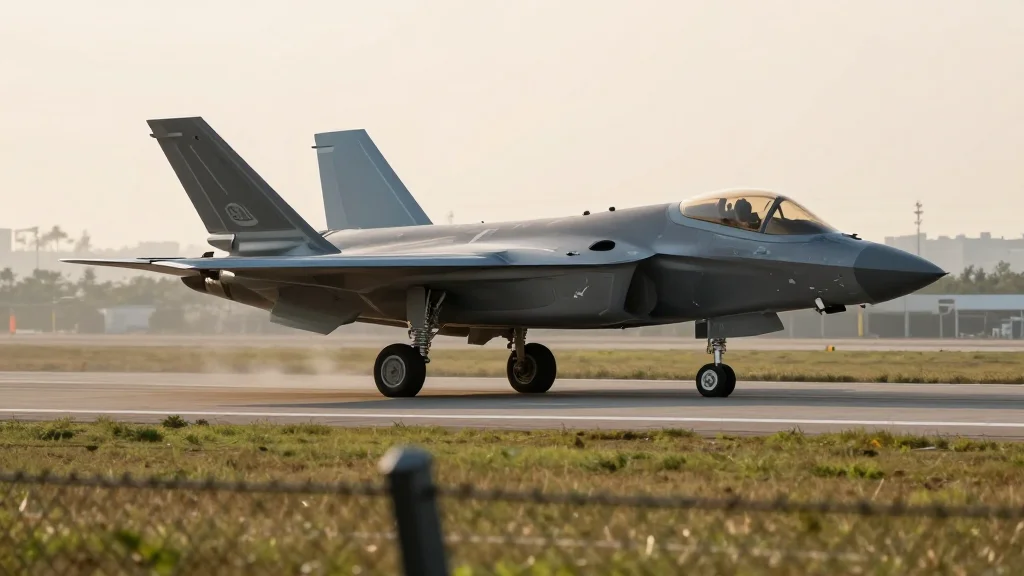
- •FBI alleges photos of RC-135 and E-4B reconnaissance planes
- •No evidence he entered Offutt base; authorities cooperating with FBI
Pulse Analysis
The arrest of Tianrui Liang highlights a growing focus on protecting U.S. military airfields from covert surveillance. While Liang’s actions involved taking pictures from a public road, federal law treats the acquisition of detailed imagery of reconnaissance aircraft as a serious breach of national security. Prosecutors in Nebraska have leveraged the Espionage Act’s provisions on unauthorized collection of sensitive information, a move that reflects the Justice Department’s willingness to pursue even low‑level offenders when the target is high‑value military hardware.
China‑U.S. tensions have intensified over technology theft and intelligence gathering, prompting tighter scrutiny of foreign visitors on American soil. Recent indictments have involved Chinese nationals accused of hacking defense contractors, stealing satellite data, and now, photographing aircraft. Military installations like Offutt, home to strategic reconnaissance platforms, are considered critical nodes in the nation’s command and control architecture. The FBI’s involvement signals that agencies are expanding surveillance beyond cyber realms to include traditional visual espionage, reinforcing a broader deterrent posture.
For international students and business travelers, the case serves as a cautionary tale about the limits of permissible activity. Visa holders must be aware that seemingly innocuous actions—such as snapping photos of aircraft from public spaces—can trigger criminal investigations if the subjects are deemed sensitive. Universities and employers are likely to issue clearer guidance on photography restrictions near defense sites, while immigration officials may tighten vetting processes for visitors from countries deemed adversarial. The outcome of Liang’s prosecution will shape how aggressively the U.S. enforces espionage statutes in the civilian sector.
Chinese Student Charged For Air Force Photographs
Comments
Want to join the conversation?
Loading comments...