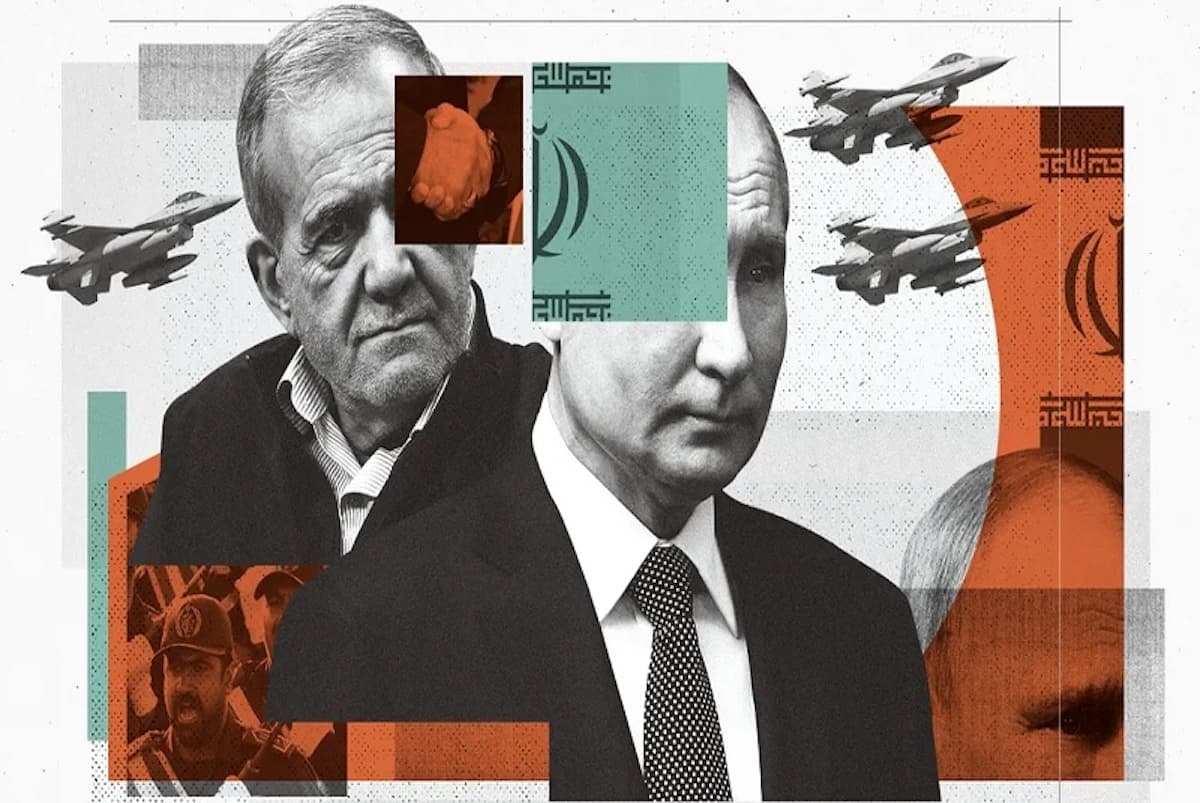
Claims Russia Helping Iran Target US Assets Are Credible
•March 7, 2026
0
Why It Matters
The alleged intel sharing raises the risk of direct U.S.–Iran confrontations and could reshape diplomatic dynamics across the Middle East.
Key Takeaways
- •Reports allege Russian intel shared with Iran on US forces.
- •Russia may retaliate for U.S. aid to Ukraine operations.
- •Disclosure could undermine Putin’s mediator credibility in Middle East.
- •US response could range from dismissal to stricter sanctions.
- •Gulf states might reassess ties if evidence becomes public.
Pulse Analysis
The latest reporting that Moscow may be supplying Tehran with targeting data on U.S. warships and aircraft revives a long‑standing pattern of covert cooperation between Russia and Iran. While the two nations lack a formal mutual‑defense pact, both share a strategic interest in countering American influence in the Middle East. Washington’s provision of intelligence to Kyiv—most notably during the 2025 Operation Spiderweb against Russia’s nuclear assets—has given Moscow a plausible pretext to reciprocate. Analysts therefore view the alleged intel transfer as a calculated response to perceived U.S. proxy warfare.
If the allegations prove accurate, they could erode President Putin’s standing as a neutral broker in the ongoing Israel‑Iran conflict. Gulf monarchies, which have balanced relations with both Moscow and Washington, may be forced to reassess their diplomatic calculus, especially if American bases on their soil become explicit targets. In Washington, the political fallout is equally uncertain. President Trump has dismissed the claim as “fake news,” but pressure from congressional hawks and intelligence agencies could compel a more forceful reaction, ranging from secondary‑sanctions to renewed military aid to regional partners.
The episode underscores the fragile equilibrium that underpins U.S. strategy in the region. An escalation—whether through heightened sanctions, direct kinetic strikes, or a broader proxy war involving Ukraine—would raise the risk of inadvertent conflict between nuclear‑armed powers. Policymakers are therefore urged to seek transparent verification mechanisms, reinforce intelligence sharing with allies, and maintain open channels with Moscow to prevent miscalculation. Ultimately, a measured diplomatic response that isolates illicit intelligence exchanges while preserving broader arms‑control dialogues may offer the best chance to contain the situation.
Claims Russia helping Iran target US assets are credible
0
Comments
Want to join the conversation?
Loading comments...