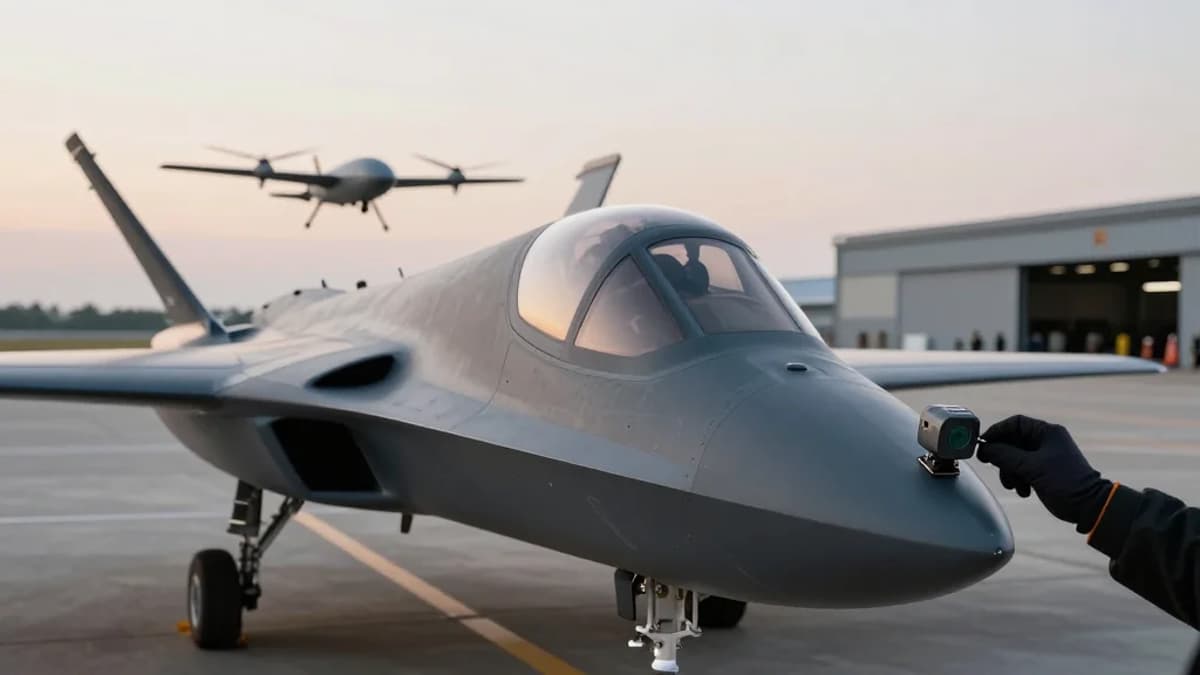
Collaborative Combat Aircraft Program Progresses Through Deliberate Weapons Integration Testing
•February 24, 2026
0
Why It Matters
The milestone accelerates delivery of a networked, cost‑effective combat aircraft, bolstering U.S. air superiority and modernizing force structure for high‑end threats.
Key Takeaways
- •CCA enters disciplined weapons‑integration testing phase.
- •Inert munitions used to validate structural and aerodynamic performance.
- •Program targets affordable, risk‑tolerant human‑machine team aircraft.
- •Human retains final authority over weapon release decisions.
- •Tests aim to accelerate fielding of networked combat capabilities.
Pulse Analysis
The Collaborative Combat Aircraft program represents a shift toward a more integrated, human‑machine combat paradigm. By focusing on disciplined weapons‑integration testing, the Air Force is ensuring that the aircraft can safely carry and separate from external stores, even before live ordnance is introduced. Using inert munitions allows engineers to assess structural loads, aerodynamic effects, and system interoperability without the risk of accidental detonation, mirroring the rigorous standards applied to legacy platforms.
Technical validation during captive‑carry trials is critical for a risk‑tolerant design philosophy. The tests examine how the CCA’s airframe handles the weight and drag of various weapons, confirming that flight characteristics remain within acceptable limits. Simultaneously, software and sensor suites are exercised to verify real‑time data exchange between the aircraft and its weapons, laying the groundwork for a seamless human‑machine teaming environment where pilots retain ultimate release authority while benefiting from automated decision aids.
Strategically, advancing these integration milestones shortens the timeline to field a networked combat system capable of operating in contested airspaces. The emphasis on affordability and rapid development aligns with broader defense priorities to counter near‑peer adversaries without inflating budgets. As the CCA matures, it promises to augment existing platforms, delivering a layered deterrent that can sense, strike, and shield forces, thereby reinforcing the Air Force’s commitment to responsible innovation and sustained air dominance.
Collaborative Combat Aircraft program progresses through deliberate weapons integration testing
0
Comments
Want to join the conversation?
Loading comments...