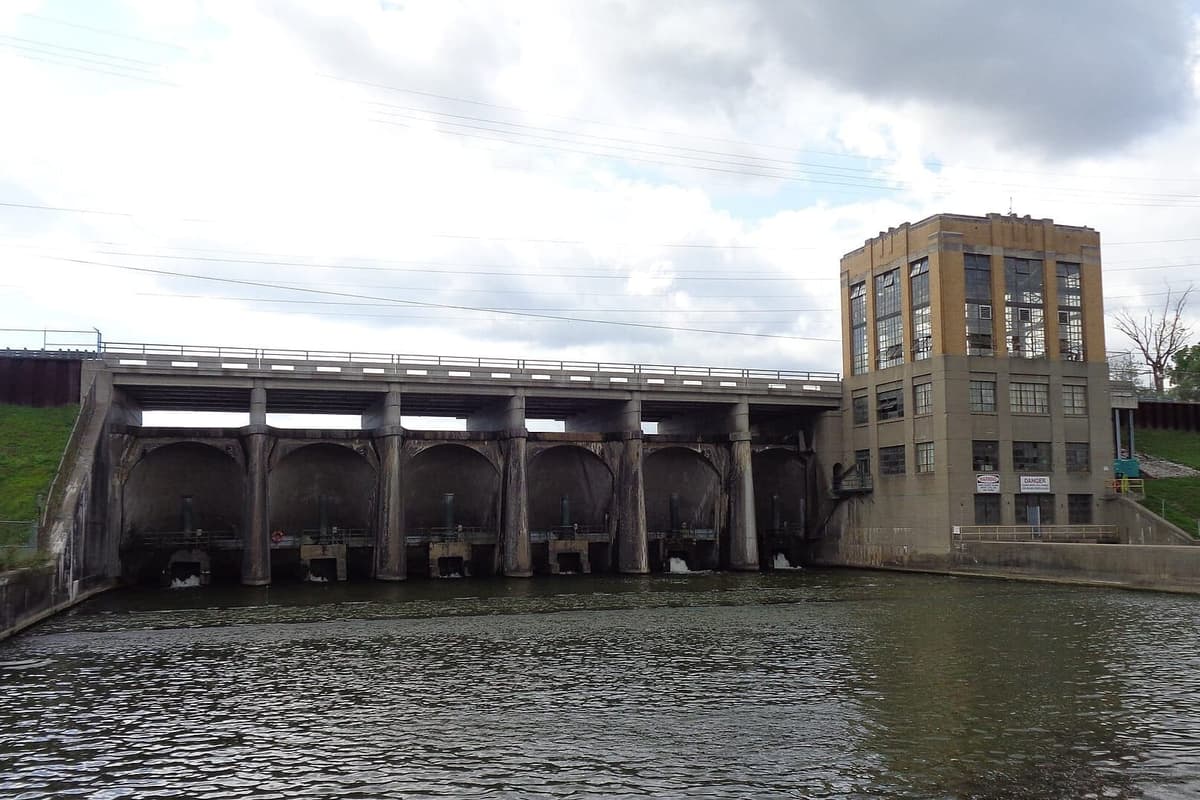
Community Votes to Deny Water to Nuclear Weapons Data Center
Why It Matters
The moratorium highlights growing community resistance to high‑impact data‑center utilities and raises security concerns about locating nuclear‑weapons computing infrastructure in a civilian suburb, potentially influencing future utility policies and defense‑related tech siting.
Key Takeaways
- •Ypsilanti Township imposes 12‑month water moratorium on data center
- •Proposed $1.2 bn, 220k‑sq‑ft facility would use 500k gallons daily
- •Center intended for Los Alamos nuclear weapons computational research
- •Residents fear becoming high‑value target amid geopolitical tensions
- •University of Michigan plans to break ground despite water supply delay
Pulse Analysis
The Ypsilanti water moratorium underscores a broader tension between municipal utilities and the expanding demand of hyperscale data centers. Utilities are grappling with unprecedented water consumption—up to half a million gallons daily for a single facility—prompting regulators to reassess capacity reservations and sustainability metrics. By invoking an American Water Works Association white paper, the Ypsilanti Community Utilities Authority is signaling that water‑intensive computing workloads are now classified as "high‑impact customers," a designation that could reshape rate structures and infrastructure planning across the United States.
Beyond resource strain, the proposed data center raises national‑security questions. Partnered with the University of Michigan, the hub will serve Los Alamos National Laboratory, providing computational power for nuclear‑weapons stewardship. Critics argue that situating such a strategic asset in a residential parkland makes the township a potential target for hostile actors, a concern amplified by recent Iranian missile strikes on Gulf‑coast data facilities. The local attorney’s warning that Ypsilanti could become a "high‑value target" reflects a growing public unease about the civilian footprint of advanced defense research.
The standoff also illustrates the evolving dynamics of public‑private collaboration on defense technology. While the Pentagon accelerates its nuclear modernization agenda, municipalities like Ypsilanti are asserting greater oversight over the environmental and security implications of hosting critical infrastructure. The outcome of this moratorium could set a precedent for how communities negotiate water rights, zoning, and risk assessments with universities and federal labs, potentially influencing future siting decisions for AI‑driven, weapons‑related computing facilities nationwide.
Community Votes to Deny Water to Nuclear Weapons Data Center
Comments
Want to join the conversation?
Loading comments...