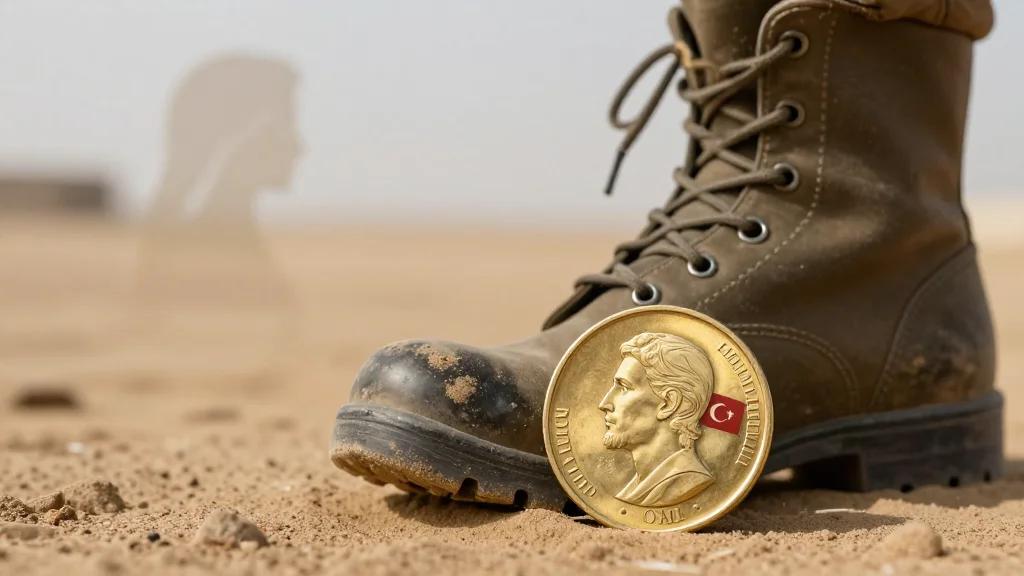
Compensation for Fighting Al-Shabaab: Does Muhoozi Have a Case?
Why It Matters
The dispute reveals deepening tension over burden‑sharing in African security missions, potentially reshaping foreign investment and diplomatic relations in the Horn of Africa.
Key Takeaways
- •Uganda contributed over 18 years, most troops among AU missions.
- •Estimated 3,500 soldiers killed in Somalia, majority Ugandan.
- •Uganda demands $1 billion and a “beauty” from Turkey for sacrifices.
- •Turkish aid totals $1 billion, focusing on humanitarian and investment projects.
- •Diplomatic talks aim to ease tension after Muhoozi’s social‑media outburst.
Pulse Analysis
Uganda’s deployment to Somalia began in 2007 as the first African Union contingent, and it has remained the most reliable contributor through AMISOM, ATMIS and now AU‑SOM. Over nearly two decades, Ugandan forces have shouldered the bulk of ground combat, securing key ports, airports and government facilities while enduring heavy casualties; independent counts suggest roughly 3,500 soldiers have died, a figure that dwarfs losses from other partner nations. This sustained commitment has cemented Uganda’s strategic foothold in the region but also created a perception of unequal burden‑sharing among external actors.
Turkey entered the Somali arena after President Recep Tayyip Erdoğan’s 2011 visit, channeling about $1 billion into humanitarian relief, infrastructure, and lucrative sectors such as oil, gas and the blue economy. While Turkish air support has complemented African troops, it has not deployed ground forces, fueling Ugandan frustration that its sacrifices are being eclipsed by newer, high‑profile partners. General Muhoozi’s public demand for a $1 billion “security dividend” and a symbolic reward underscores a broader grievance: African armies seek tangible recognition and financial recompense for the risks they assume in stabilising fragile states.
The diplomatic fallout prompted a quick reset, with Uganda’s foreign minister meeting Turkey’s ambassador in Kampala and reaffirming bilateral ties ahead of the Antalya Diplomacy Forum. Yet the episode signals a warning for future coalitions—without clear mechanisms for compensating troop‑contributing countries, friction can spill into public forums, jeopardising investment pipelines and collaborative security efforts. Policymakers in the EU, US and Gulf states will need to address these equity concerns if they wish to sustain long‑term engagement in the Horn of Africa’s complex security landscape.
Compensation for fighting Al-Shabaab: Does Muhoozi have a case?
Comments
Want to join the conversation?
Loading comments...