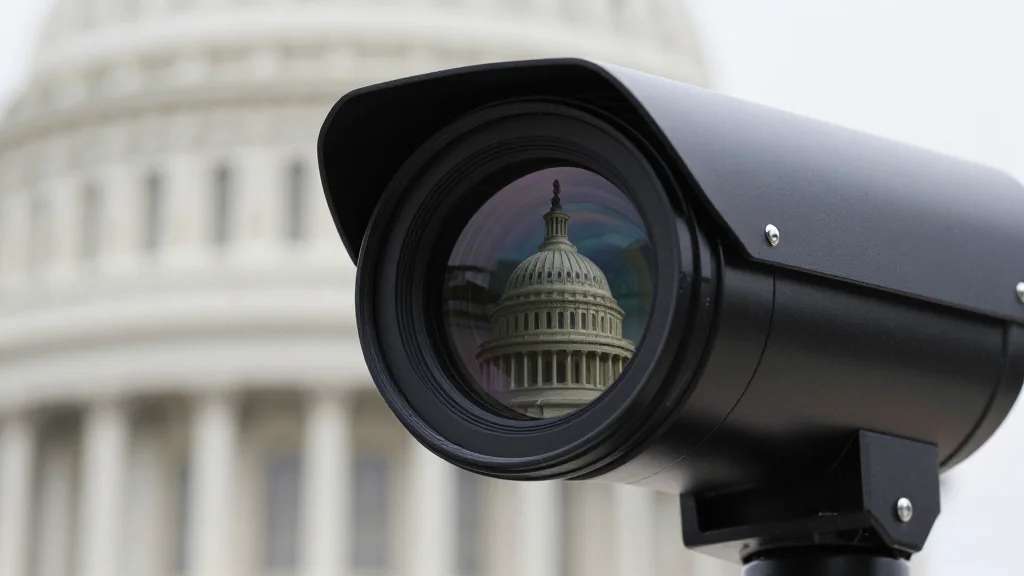
Congress Faces Stalemate Over Section 702 Reauthorization as Deadline Looms

Why It Matters
Section 702 sits at the intersection of intelligence gathering and civil liberties. Its renewal determines whether U.S. agencies can continue to intercept foreign communications without a warrant—a capability that underpins cyber‑defense operations against state‑sponsored hackers, ransomware groups, and illicit finance networks. A clean extension would preserve existing tools but risk further erosion of Fourth‑Amendment protections, potentially chilling free speech and eroding public trust in the intelligence community. Conversely, imposing warrant requirements or stricter filters could hamper rapid threat detection, forcing agencies to rely on slower, case‑by‑case processes. The balance struck by Congress will influence how effectively the United States can counter emerging cyber threats while adhering to constitutional norms, setting a precedent for future surveillance legislation.
Key Takeaways
- •Section 702 expires on April 20, 2026, prompting an urgent congressional vote
- •President Trump seeks an 18‑month "clean" extension without reforms
- •Rep. Jamie Raskin warns that 2024 safeguards have been eroded by the Trump administration
- •House Speaker Mike Johnson cites 56 substantive reforms to FISA from the last reauthorization
- •A classified court opinion this month flagged major compliance problems with data‑filtering methods
Pulse Analysis
The Section 702 showdown is less about a single piece of legislation and more about the strategic direction of U.S. intelligence in the digital age. Historically, FISA amendments have been negotiated in the shadow of imminent threats—post‑9/11, the focus was on rapid data collection to disrupt terrorist networks. Today, the calculus includes AI‑driven analytics, supply‑chain attacks on critical infrastructure, and the geopolitical scramble over Chinese tech. Lawmakers who champion a clean extension argue that any delay or added bureaucracy could create blind spots that adversaries will exploit, especially as China and Russia invest heavily in cyber‑espionage platforms.
However, the bipartisan push for reforms reflects a growing recognition that unchecked bulk collection not only violates privacy but also undermines the legitimacy of intelligence operations. The Freedom Caucus’s willingness to withhold votes signals a shift: even staunch conservatives are now sensitive to Fourth‑Amendment arguments, partly because the same surveillance tools could be turned inward against political opponents. This internal pressure, combined with external scrutiny from the Foreign Intelligence Surveillance Court, forces the administration to consider a more nuanced approach—perhaps a tiered system that preserves bulk foreign collection while mandating warrants for any U.S. person data.
Looking ahead, the outcome will set a benchmark for how the U.S. balances security and liberty in an era where data is both a weapon and a shield. A compromise that introduces limited warrant safeguards could preserve the core intelligence capabilities needed for cyber‑defense while restoring some public confidence. Conversely, a clean extension risks further legal challenges and could fuel future legislative battles, especially if AI‑enhanced surveillance continues to outpace existing oversight mechanisms. The next few weeks will reveal whether Congress can craft a middle ground or if the nation will face a temporary intelligence gap as the clock ticks down.
Congress Faces Stalemate Over Section 702 Reauthorization as Deadline Looms
Comments
Want to join the conversation?
Loading comments...