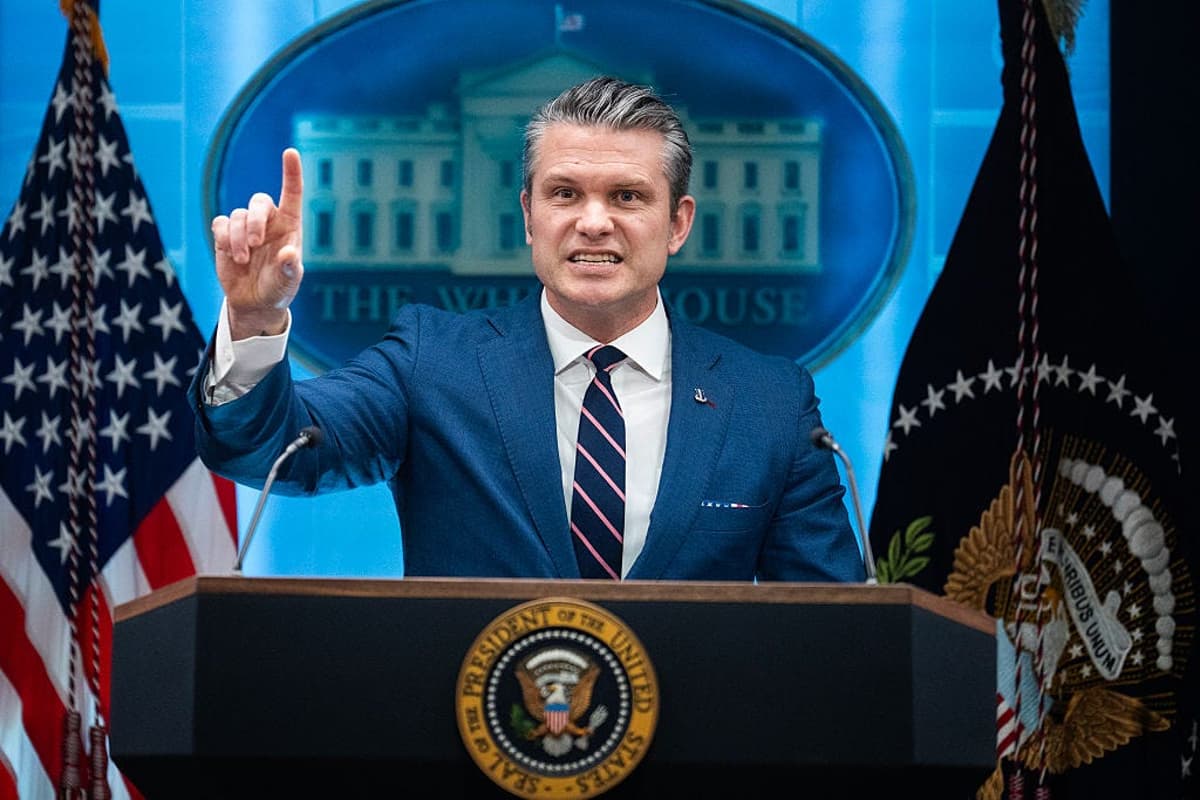
Contrary to What Pete Hegseth Says, This Two-Week Ceasefire with Iran Isn’t a “Historic and Overwhelming Victory”
Why It Matters
The ceasefire stabilizes oil markets temporarily but leaves a strategic chokepoint in Iranian hands, shaping Middle‑East geopolitics and global energy security.
Key Takeaways
- •Pakistan brokers two‑week ceasefire, halting six‑week war
- •Iran retains control of Strait of Hormuz, proposes $2 M fee per ship
- •US and Iran claim victory but core disputes remain unresolved
- •Global oil markets rallied on ceasefire announcement
- •Political rhetoric highlights uncertainty of lasting peace
Pulse Analysis
The six‑week war between the United States and Iran erupted after Tehran’s aggressive moves in the Strait of Hormuz, a vital artery for roughly 20% of global oil shipments. By suspending hostilities for two weeks, the ceasefire—negotiated by Pakistan—offers a brief reprieve for markets that have been jittery amid supply shocks. While the truce eases immediate price spikes, it does not address the underlying strategic contest for control of the narrow waterway, where Iran’s ability to levy a $2 million fee per vessel could reshape shipping costs and regional power dynamics.
Energy analysts warn that even a short‑lived pause can have outsized effects on commodity pricing. The announcement sent Brent crude down several dollars as traders priced in reduced risk of supply disruptions. However, the proposed toll could translate into higher freight rates and incentivize alternative routes, potentially spurring investment in pipelines or Arctic passages. For U.S. refiners and downstream businesses, the uncertainty surrounding Hormuz remains a key variable in forecasting fuel margins and inventory strategies.
Politically, the ceasefire underscores the fragile balance between diplomatic posturing and on‑the‑ground realities. Domestic commentators like Pete Hegseth framed the pause as a decisive victory, while figures such as JD Vance cautioned that any breach could reignite conflict. The divergent narratives reflect broader U.S. debates over engagement versus containment in the Middle East. As negotiations move forward, the durability of the truce will hinge on Iran’s willingness to honor the fee structure and the United States’ capacity to enforce its strategic interests without escalating into a broader confrontation.
Contrary to What Pete Hegseth Says, This Two-Week Ceasefire with Iran Isn’t a “Historic and Overwhelming Victory”
Comments
Want to join the conversation?
Loading comments...