Companies Mentioned
Why It Matters
The surge in nuclear and advanced‑weapon spending reshapes U.S. deterrence posture while testing the limits of congressional budget authority ahead of the 2026 midterms. It also signals a strategic pivot toward AI‑enabled systems and larger missile‑defense inventories amid heightened geopolitical tensions.
Key Takeaways
- •Pentagon seeks $71.4 billion for nuclear weapons FY2027, 15% rise
- •$350 billion reconciliation request targets AI, autonomous weapons, missile stockpiles
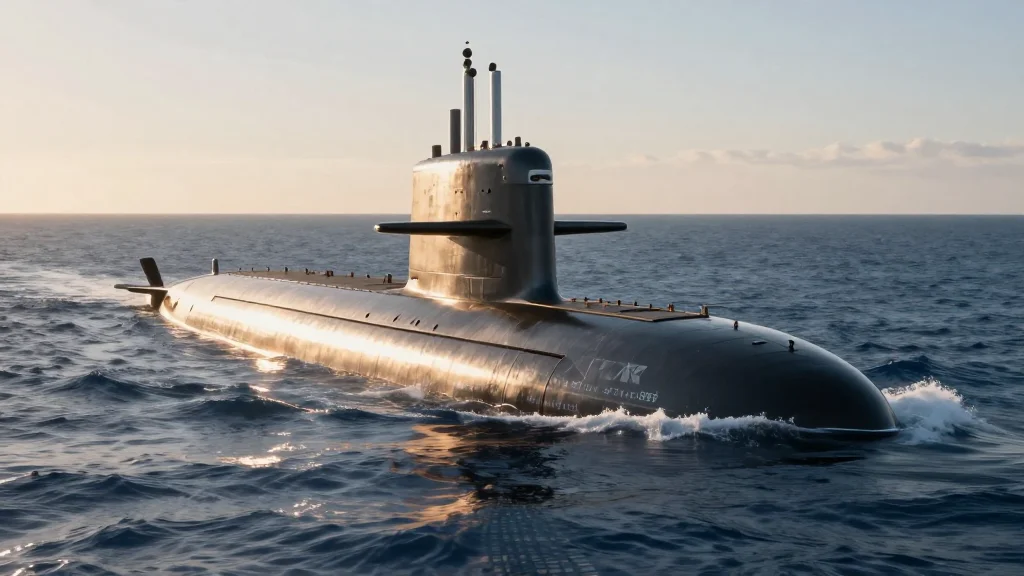
- •Columbia‑class submarine cost jumps to $16.1 billion, fourth boat funded
- •B‑21 bomber production budget climbs to $6.1 billion for FY2027
- •Missile defense proposes $4.2 billion for SM‑3 interceptors, 114 units
Pulse Analysis
The $71.4 billion nuclear weapons allocation reflects a broader shift toward modernizing the United States’ strategic deterrent. Full funding for the fourth Columbia‑class submarine and a potential three‑boat expansion underscores the Navy’s focus on deep‑sea launch capability, while the Trident II life‑extension and W93 warhead development add to long‑term cost pressures. Analysts note that these investments, combined with a $6.1 billion budget for B‑21 bomber production, aim to sustain a credible second‑strike posture as rival powers accelerate their own nuclear programs.
Beyond the traditional nuclear triad, the administration is leveraging a $350 billion reconciliation vehicle to fast‑track emerging technologies. Funding for artificial‑intelligence research, autonomous weapon platforms, and a massive missile‑defense procurement surge—most notably a jump to $4.2 billion for SM‑3 interceptors—signals a strategic emphasis on countering hypersonic threats and reinforcing theater‑level defenses. The proposed Golden Dome fund, though opaque, is expected to underwrite space‑based interceptors and sensor networks, further integrating the Space Force into the deterrence architecture.
Politically, the budget’s reliance on reconciliation raises eyebrows in a divided Congress. Republicans argue that bypassing the regular appropriations process is necessary to meet urgent capability gaps, while Democrats contend the request inflates defense spending beyond realistic requirements. With the 2026 midterm elections looming, the outcome of any reconciliation effort will not only shape the Pentagon’s fiscal outlook but also set a precedent for how future administrations fund high‑tech warfighting initiatives. The stakes are high: approval could lock in a decade‑long trajectory of elevated defense outlays, whereas rejection may force a recalibration toward more incremental spending.
Costs Soar in $1.45 Trillion Defense Request
Comments
Want to join the conversation?
Loading comments...