Could Military AI Use Be on the Agenda when Chinese and US Leaders Meet?
Companies Mentioned
Why It Matters
AI‑driven weapons could redefine the global power balance, impacting security and defense markets worldwide.
Key Takeaways
- •AI is central to next‑generation military capabilities
- •US seeks export controls; China pushes fewer restrictions
- •Trust deficit hampers joint AI research agreements
- •Autonomous weapon norms remain undefined internationally
- •Stalemate may spur rapid, uncoordinated AI arms development
Pulse Analysis
Artificial intelligence has moved from a laboratory curiosity to a cornerstone of modern military strategy. Nations are racing to embed AI in command‑and‑control systems, autonomous drones, and predictive logistics, believing it offers decisive speed and precision advantages. The United States and China, as the world’s largest defense spenders, dominate this race, investing billions in AI research and fielding prototypes that blur the line between human‑operated and fully autonomous platforms. Their competition sets the tempo for global defense markets and influences allied procurement decisions.
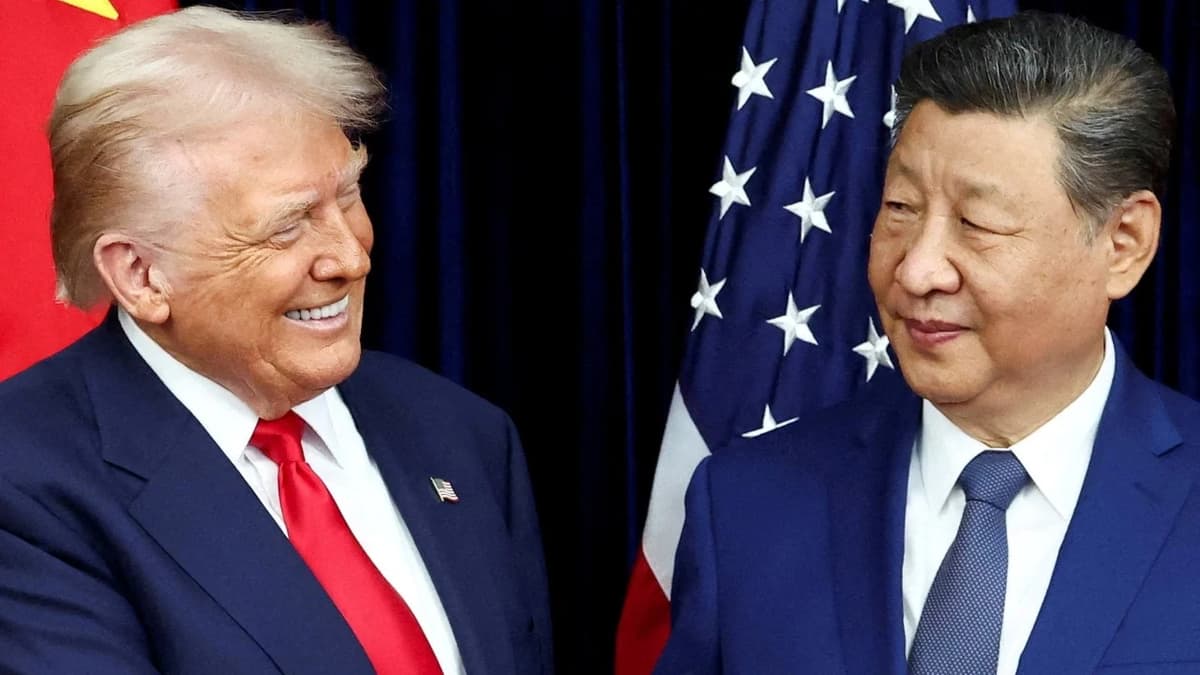
At the upcoming Trump‑Xi summit, military AI is expected to surface alongside trade and climate talks. Washington is likely to press for stricter export controls on dual‑use AI chips and algorithms, aiming to prevent Beijing from acquiring cutting‑edge capabilities. Beijing, meanwhile, favors a more open framework that would allow Chinese firms to collaborate with foreign partners and avoid crippling sanctions. Both sides also recognize the absence of international norms governing lethal autonomous weapons, a gap that could lead to accidental escalation. The summit could produce a tentative agreement on confidence‑building measures, such as data‑sharing protocols or joint safety testing, but deep strategic mistrust makes a comprehensive pact unlikely.
The outcome matters far beyond diplomatic circles. Defense contractors in the U.S., Europe, and Asia watch these negotiations to gauge future investment flows and compliance requirements. A hardening of export restrictions could reshape supply chains for AI chips, prompting firms to relocate production or seek alternative technologies. Conversely, a breakthrough on joint research could unlock new markets for AI‑enabled platforms, driving down costs and accelerating adoption across allied forces. Ultimately, how the two powers navigate military AI will influence the pace of the global AI arms race, the stability of future conflict zones, and the regulatory landscape that will govern autonomous warfare for decades.
Could military AI use be on the agenda when Chinese and US leaders meet?
Comments
Want to join the conversation?
Loading comments...