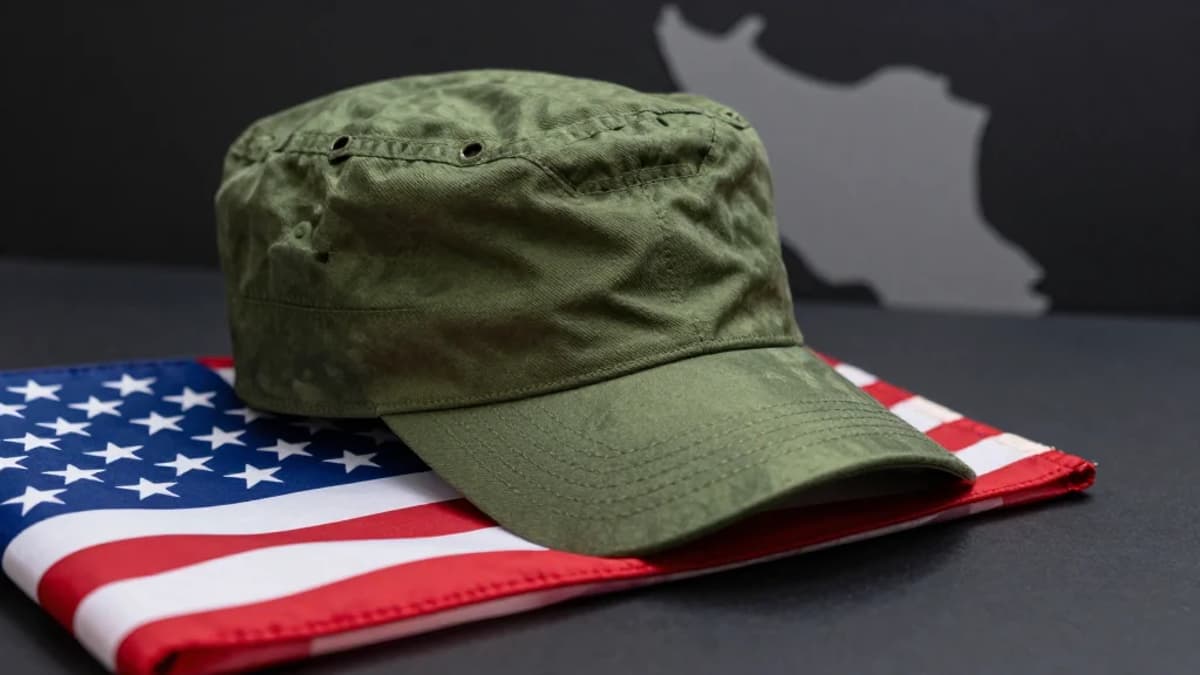
Could the Iran War Trigger a Military Draft? Why Experts Say It’s Unlikely
•March 11, 2026
0
Why It Matters
Understanding the draft’s improbability curtails public panic and informs policymakers about the realistic manpower options for the Iran conflict. It also highlights the legal and political barriers to reinstating conscription.
Key Takeaways
- •U.S. all‑volunteer force since 1973
- •Selective Service registration required for most men 18‑25
- •Congress must pass law to activate draft
- •Experts deem draft unlikely for Iran war
- •Past wars managed without conscription
Pulse Analysis
The Iran war has reignited a dormant debate about compulsory military service, but the United States has not relied on a draft since the early 1970s. Since the end of the Vietnam era, the Selective Service System merely registers eligible males, creating a theoretical pool without obligating enlistment. This framework, combined with the all‑volunteer force, has allowed the Pentagon to meet operational needs through recruitment incentives and reserve activations, sidestepping the political fallout of conscription.
Legally, reinstating a draft is a multi‑step process that begins with congressional legislation, followed by a national lottery to determine selection order. The timeline for drafting, training, and deploying new soldiers can span months, if not years—far longer than the expected duration of the current Iran campaign. Moreover, the military itself opposes a draft, preferring professional volunteers who meet modern technical standards, while Congress remains wary of voter backlash that a draft could provoke.
Politically, the draft narrative fuels misinformation and heightens public anxiety, as seen in viral claims across social platforms. By clarifying the procedural hurdles and historical precedent, analysts can mitigate panic and keep the focus on realistic strategic options. For businesses and investors, the low probability of a draft suggests that labor market disruptions and defense‑spending spikes tied to conscription are unlikely, allowing them to plan without accounting for sudden manpower mandates.
Could the Iran war trigger a military draft? Why experts say it’s unlikely
0
Comments
Want to join the conversation?
Loading comments...