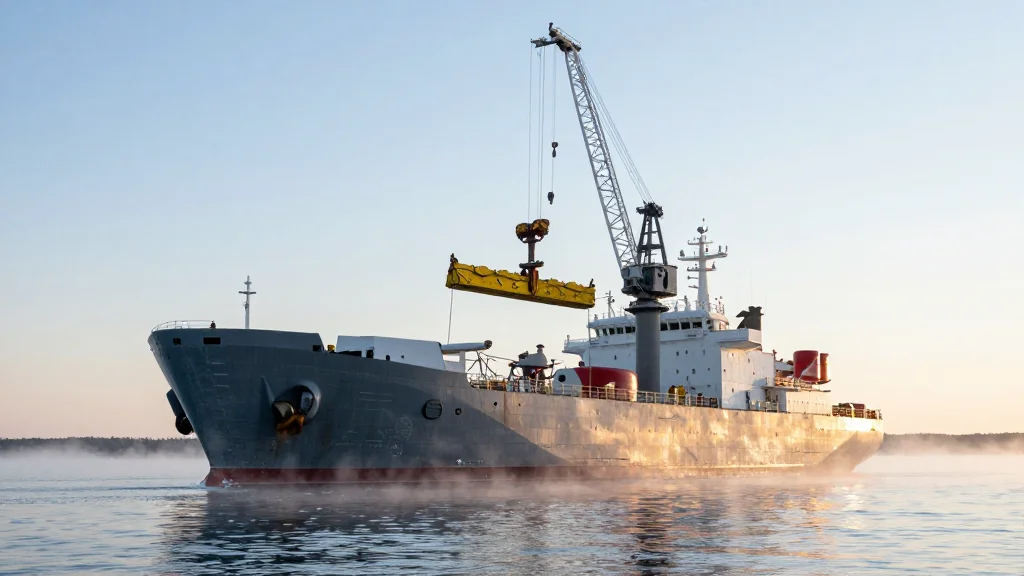
Could the USCG Icebreaker Requirement Open the Door for More Inland Shipbuilding?
Why It Matters
Securing the icebreaker contract could revitalize inland shipyards, diversifying the defense supply chain and bolstering national shipbuilding resilience. It signals a strategic shift toward distributed manufacturing to meet growing maritime security needs.
Key Takeaways
- •Alliance targets up to seven HSC‑L icebreakers for USCG.
- •Partners: Fincantieri Marine, Fraser Shipyards, Donjon Marine.
- •Great Lakes shipyards could expand inland US shipbuilding capacity.
- •Icebreaker contract may diversify US defense supply chain.
- •Hudson Institute warns defense industrial base faces capacity gaps.
Pulse Analysis
The Fourth Coast Shipbuilding Alliance marks a notable pivot in U.S. maritime procurement, moving some production inland to the Great Lakes. By uniting Fincantieri Marine’s global expertise with Fraser Shipyards’ regional footprint and Donjon Marine’s niche capabilities, the partnership aims to meet the Coast Guard’s urgent need for modern icebreakers. This collaborative model could lower logistics costs, tap untapped labor pools, and create a resilient supply chain less vulnerable to coastal disruptions.
The Homeland Security Cutter‑Light (HSC‑L) icebreakers are critical for maintaining year‑round navigation on the Great Lakes and Arctic routes, supporting both commercial trade and national security. Awarding the contract to an inland alliance would demonstrate confidence in the region’s industrial capacity, potentially spurring ancillary investments in steel fabrication, propulsion systems, and advanced composites. Such a move aligns with broader defense strategies that seek to diversify production sites to mitigate geopolitical and environmental risks.
Beyond the immediate contract, the alliance could serve as a template for future defense projects, encouraging other inland facilities to pursue naval and Coast Guard work. The Hudson Institute’s recent analysis underscores the urgency of expanding the U.S. defense industrial base, noting capacity gaps that threaten readiness. By proving that high‑tech shipbuilding can thrive away from traditional coastal hubs, the Great Lakes alliance may unlock new funding streams, workforce development programs, and regional economic growth, ultimately strengthening America’s maritime posture.
Could the USCG icebreaker requirement open the door for more inland shipbuilding?
Comments
Want to join the conversation?
Loading comments...